

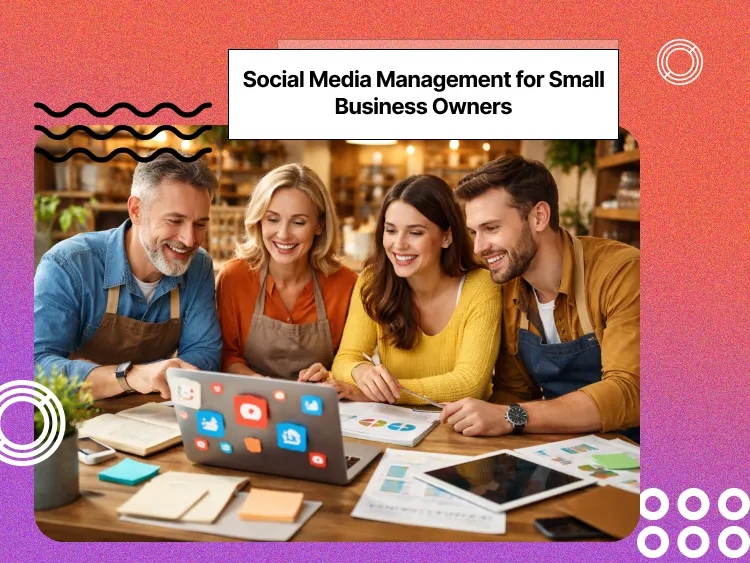
Did you know that 97% of small businesses use social media? But that’s not my point! The fact is that only 23% of them see a significant return on investment (ROI).
This gap shows that millions of business owners invest time and money in social media without seeing results.
Now picture this: how much easier life could be for those small business owners if they knew how to use social media the right way. Sounds a lot more possible now, doesn’t it?
Buy an Established Instagram Account
Skip starting from zero. Browse Instagram/TikTok accounts with audiences across many niches.
See Available AccountsBecause your customers are there, you have various features to create content, and you can compete with others.
Social media management done right can transform your business. It builds brand awareness, generates leads, and creates loyal customer communities.
Here, we’ve compiled strategies to help you grow your small business on social media, including choosing the right platform, creating engaging content, and measuring results.
Social Media Marketing Fundamentals for Small Businesses
What’s the goal for most small business owners? Chances are, it’s growing the business while reaching the people who matter.
Social media is the most powerful tool for reaching your audience; over five billion people use it daily in 2026.
Here’s how to leverage it to grow your business.
Before that, remember that every social media platform is unique, and you must choose it wisely.
Check out the most popular platforms:
- Facebook: If you want to build local communities and connect with nearby customers, choose Facebook. You can also sell products and services through its Marketplace.
- Instagram: Instagram is your best option if you want to promote and sell your products by sharing visual content. If you have a creative spirit, show off your products through Instagram Reels and let your customers “Shop” from your posts.
- LinkedIn: If you are among those professional sellers or creators who want to show their expertise in a formal environment, LinkedIn is your paradise!
- TikTok: Do you want to connect with a younger audience base, especially Gen Z? Then what are you waiting for? TikTok is your final choice! You can reach this goal by creating engaging and creative short videos while enjoying participating in viral challenges and trends.
- YouTube: YouTube can boost your SEO and help you connect with people. If you enjoy explaining or entertaining, it’s a great platform to start building a community.
- Pinterest: If you have an aesthetic spirit, Pinterest is made for you to show off your creativity and special taste in almost everything! Plus, it doesn’t just look good; your posts can send traffic straight to your products almost right away.
Pick the right platform that you think your target audience is there, stick with it, and focus on awareness first. That’s what gets you in front of the people who’ll eventually turn into loyal customers.
The Importance of Social Media Management for Small Business Owners

For small business owners, social media isn’t just another marketing channel; it’s a lifeline. It’s about building a loyal community, not just posting images or captions.
Here’s why managing your social media effectively matters.
Build Brand Awareness
If you’re on social media but not building brand awareness, you’re missing the whole point! Consistent management keeps your business visible and easy to find. And isn’t that what you want? Every post, story, and content you share is another chance to catch the eye of your target audience.
Connect With Your Audience
To build brand awareness, stay connected with your followers by answering DMs, replying to comments, and sharing content regularly.
Save Time and Stay Organized
Running a small business already eats up enough of your day; social media shouldn’t add to the chaos.
With smart strategies, you can save hours spent stressing over posts. Scheduling tools and simple management tricks help you stay consistent, run campaigns, and keep everything in one place. Less stress, more focus where it matters.
Drive Sales and Conversions
When you start a business and want to grow it through social media, you want to earn money, and that’s when you realize that social media management is not only about increasing the number of likes and comments!
Each platform has tools that make it easier to guide your audience from discovery to purchase.
How Can Small Businesses Keep Up with Social Media Management
Many small business owners wonder this: How do I keep up with social media without it feeling endless?
Managing posts, comments, updates, and ever-changing trends can be overwhelming. The good news is that with the right strategies, staying successful on social media is far more manageable than it seems.
Here are tips and techniques to help you manage your accounts like a pro and stay on top of social media marketing.
- Create a Content Calendar
Knowing how to create a social media calendar is among the most important things every business owner must learn. Why? Having a content calendar helps you schedule your content, create relevant posts, and stay consistent.
- Use Scheduling Tools
Do you find it difficult to schedule and plan your content? There’s an easy solution for it: You can use free or paid scheduling tools, such as Later, Planoly, or Buffer.
The best part of these tools is that they let you batch your content in one session, handling the heavy lifting so you can focus on running your business.
- Focus on the Right Platforms
You don’t have to be on all social media platforms at once! The easier way is to identify where your target customers spend their time and focus your energy there.
How to Build an Effective Small Business Social Media Strategy
Want something simple you can follow today? Break the strategy into bite-sized steps so it’s easy to implement, even if you’re managing everything solo.
Step 1- Pick one goal (and stick to it)
Decide the single most important thing you want social media to do for your business. Brand awareness? Foot traffic? Email signups? Sales?
- Write that goal as a one-sentence target.
- Make it measurable.
Step 2- Do a quick audit of where you are
Before you create more content, see what already exists and what’s working.
- List your active profiles and note followers, recent post types, and top-performing posts.
- Spot gaps (missing bio, no contact info, inconsistent imagery).
Quick win: fix one low-hanging item now (profile photo, bio link).
Step 3- Get crystal-clear on your audience
Guessing doesn’t work for long; you need to know who you’re talking to.
A simple buyer persona is enough: their age, the platforms they use, the problems they’re facing, and the things that matter most to them.
Take a look at the comments and messages you already get; people tell you how they think and what words they use. Bring those same phrases into your captions, and it instantly feels more relatable.
Pro tip: Use your customers’ words in one post this week, and you’ll sound more natural.
Step 4- Choose the right platform
You don’t need to be everywhere. Pick where your people already are and where your content fits.
- Match content to platform (photos → Instagram, videos → TikTok/YouTube, local community → Facebook).
- Start with one primary channel and one secondary channel.
Quick win: focus energy where you get a response, then expand.
Step 5- Make a tiny content calendar (and batch it)
Batching saves time and reduces stress.
- Create a simple spreadsheet or use a free calendar template. Plan 2–4 weeks of posts at a time.
- Block a couple of hours once a week or month to batch-create visuals and captions.
Step 6- Engage like a real person
Social media is two-way. Be human!
- Reply to every comment and DM you can (even a quick emoji counts).
- Use polls and questions to invite easy interaction.
Step 7- Track a few simple metrics and run tiny experiments
You don’t need every stat, just the ones that tie to your goal.
- Awareness: reach/impressions. Engagement: comments, shares. Conversion: clicks, signups, sales.
- Test one variable at a time (caption length, posting time, image vs. video). Keep what works.
Step 8- Scale gradually (partnerships, ads, or more content)
When you see consistent wins, reinvest carefully.
- Try a small paid boost for your best organic post first.
- Partner with a complementary local business for a cross-post or giveaway
Social Media Management Tips and Strategies for Small Business Owners
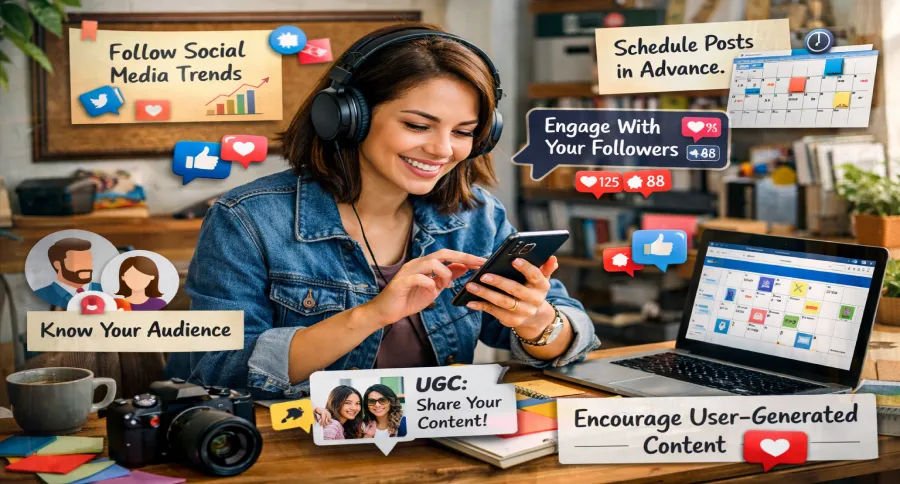
Running social media for a small business can feel like a full-time job. You’re posting, replying to messages, and trying to keep up with trends all at once.
Many small business owners post sporadically and hope for results, but that rarely works. Even a simple plan and consistent posting schedule make social media easier and more effective.
Know Your Audience
It’s easy to post what you like, but what matters is what your audience cares about. Who are they? What problems do they face? What catches their attention?
Here’s the important thing: You don’t need to overthink it. Just paying attention, asking a few questions, or checking what’s already working can make your content hit home.
Create Detailed Customer Personas
A few profiles of ideal customers can be sketched out, no need for every detail, just enough to picture who the post is for.
Why does it matter? Understanding audience preferences helps content and messaging feel personal instead of generic.
Follow the 80/20 Content Rule
This is the PERFECT balance: About 80% of your content should educate, inform, or entertain, while the other 20% can focus on promoting your products.
It may sound basic and seem that it won’t work, but try it for a while, and the results will surprise you.
Share Content Across Platforms
If you think you should create a new post for every platform, you are wrong, and that’s the best part of managing multiple accounts.
A single idea can be adapted in different formats, like turning a blog into a short video, a carousel, or a tip post.
Encourage User-Generated Content (UGC)
Here’s the truth: UGC is underrated! However, asking customers to share photos or reviews gives your brand authenticity. That’s why I recommend business owners to make sure to give credit when reposting.
When you encourage users to create such content, you are turning them into loyal followers, along with building trust and attracting new customers.
Want to see how small businesses are turning their customers into loyal advocates? Check out this guide on sharing user-generated content on social media with real examples to inspire your own strategy and boost engagement.”
Schedule Posts in Advance
Planning posts ahead of time is a lifesaver, and if you want the best results, it is better to spend an hour or two each week scheduling content.
Timing can make a huge difference in how many people see your posts; check out this guide on the best times to post on Instagram to maximize engagement and reach your audience when they’re most active.
Automate the Content Creation Process
Automation doesn’t replace personal engagement, but it can handle repetitive tasks. For example, sharing blog posts automatically frees time to focus on crafting original content and interacting with your audience. Even a small amount of automation can make a big difference.
Respond Quickly
Quick responses show your audience you care. Even a short, thoughtful reply to a comment or message can turn someone hesitant into a loyal customer.
It doesn’t end here; consistent attention to messages also encourages more engagement over time.
Engage With Your Followers
Social media is not just about posting; it’s a conversation, and you must engage with your followers. How? Ask questions, reply to comments, and acknowledge feedback.
Engagement builds community, and often, the people who engage most will become your most loyal customers.
Follow Social Media Trends
Trends can help increase reach, but only if they align with your brand, so jumping on irrelevant trends can confuse your audience.
Experts recommend picking trends carefully, adapting them to your style so the content stays authentic.
Social media moves fast, and staying updated can feel overwhelming, but this simple guide to the top Instagram updates in 2026 breaks down the latest features so you can use them to engage your audience effectively.
Collaborate With Others in Your Niche
Partnerships work better than most realize. Collaborating with complementary businesses or influencers introduces your brand to new audiences without heavy investment. Small campaigns or content swaps can produce surprisingly strong results.
Be Consistent
Consistency is critical. Maintaining a regular posting schedule and keeping a unified tone and visual style builds trust. Even if you can only post a few times a week, a consistent presence ensures your audience recognizes your brand and remembers you when it matters.
Real-Life Success Stories: How Small Businesses Grew with Social Media
Seeing strategies in action makes all the difference.
Here are a few small businesses that used social media management effectively to grow, increase engagement, and drive sales.
Apricotton: A Social Media Makeover That Boosted Sales
Apricotton, a small e-commerce business, revamped its social media strategy by using targeted content, scheduling posts, and leveraging paid ads.
In just two weeks, they reached over 66,000 impressions and saw a 108% increase in sales. This shows how a focused social media plan can directly impact revenue.
The Original Tamale Company: Going Viral with Creative Content
A family-owned eatery in Los Angeles, The Original Tamale Company, gained viral attention with a humorous AI-assisted video created in just 10 minutes.
The 46-second clip received 22 million views and 1.2 million likes, demonstrating the power of creative, timely content to engage audiences and build brand awareness.
Maev Swim: Authentic Storytelling on TikTok
Maev Swim faced initial challenges with sales, but an honest TikTok video about their struggles went viral, helping them make their first sale and grow brand visibility.
This example highlights the importance of authenticity and storytelling in connecting with potential customers.
Yirosbros: Engaging Content Drives Foot Traffic
Yirosbros, a food business in Adelaide, used TikTok to post humorous, relatable content. One video reached 1.4 million views, significantly increasing foot traffic to their store.
Consistency, creativity, and knowing their audience were key to this success.
Common Mistakes Small Business Owners Might Face (And How to Avoid Them)

Running social media as a small business owner can feel like juggling too many balls at once.
Here are some of the most common struggles, and how to stay ahead of them.
Challenge: Not Enough Time
Between handling customers, managing operations, and keeping the business running, finding time for social media often drops to the bottom of the list.
Solution: Set aside dedicated blocks of time each week to focus only on social media. Use scheduling tools to plan posts so you’re not scrambling every day.
Challenge: Limited Budget
Hiring a full-time social media manager or investing in high-end tools isn’t always realistic for small businesses.
Solution: Start with free or low-cost tools that handle scheduling, analytics, and design. Lean on organic engagement strategies, like sharing behind-the-scenes content or partnering with local businesses, before spending on ads.
Challenge: Staying Consistent
Posting daily sounds great in theory, but without a plan, it’s easy to fall behind.
Solution: Create a simple content calendar. Even posting two to three times a week on the right platforms is better than posting daily for a month and then going silent.
Challenge: Lack of Engagement
Sometimes posts go up but don’t get much response, which can be discouraging.
Solution: Focus on starting conversations instead of only promoting. Ask questions, run polls, or share relatable stories that invite interaction.
Challenge: Keeping Up With Trends
Social media moves fast, and trying to jump on every trend can feel exhausting.
Solution: Don’t chase every viral moment. Instead, pick trends that align with your brand’s voice and audience. Quality always beats quantity when it comes to relevance.
Turning Strategy Into Action: Your Social Media Game Plan
A clear action plan takes the guesswork out of social media management, giving small business owners a step-by-step roadmap to stay consistent, save time, and see real results.
30-Day Quick Start Plan
Week one focuses on audit and goal setting. Analyze current social media presence and define specific, measurable goals for improvement.
Week two involves platform selection and optimization; choose one or two platforms based on audience research. Complete profile optimization with professional photos and compelling descriptions.
Week three emphasizes content creation and calendar setup. Develop content themes and create your first month of posts. It’s also a good time to set up scheduling tools and analytics tracking.
Week four launches your improved strategy, so begin posting consistently and engaging with your audience, and monitor performance and adjust based on early results.
90-Day Growth Strategy
Month one builds the foundation through consistent posting and profile optimization. Focus on creating valuable content and establishing a posting rhythm.
Month two emphasizes community engagement and relationship building; respond to every comment and message, participate in industry conversations, and connect with potential customers.
Month three introduces paid advertising testing if the budget allows. Promote your best-performing organic content to expand reach and test advertising effectiveness.
Conclusion
Social media success for small businesses doesn’t require perfection or a big budget. Consistency, authenticity, and providing real value to your audience are what truly make a difference.
Focus on understanding your audience, setting clear goals, maintaining a consistent brand voice, and measuring performance regularly.
Start with one platform, master it, and expand gradually. Patience and persistence matter more than chasing viral posts.
By building genuine connections and committing to consistent posting, even small actions can lead to significant growth. Your audience is ready; now it’s your turn to engage and grow your brand.
FAQs
How much time should a small business owner realistically spend on social media daily?
Around 45-90 minutes is usually enough. Spend some time engaging with followers, some on creating or curating content, and a bit on analytics. Batching content weekly can cut daily time to 30-45 minutes.
How do I measure if social media is driving business results?
Track engagement, website traffic, leads, sales, and customer acquisition costs. Use UTM links and conversion pixels to measure results accurately.
How do I stay updated with constantly changing social media algorithms and features?
Follow platform blogs, subscribe to industry newsletters, join professional groups, and monitor analytics. Quality content that engages your audience often performs well despite algorithm changes.
Which social media platform should my small business focus on first?
It depends on your audience. Facebook is great for local businesses, LinkedIn for B2B, and Instagram for visual brands. Look at where your customers are most active before committing.
Should I hire a social media manager or handle it myself?
Try managing it yourself for a few months to learn your audience. Consider hiring help if it takes over 10 hours a week or if social media revenue is over $5,000/month.

Emi Daniel
Buy an Established Instagram Account
Skip starting from zero. Browse Instagram/TikTok accounts with audiences across many niches.
See Available AccountsRelated articles
-
Best Influencer Marketing Software in 2026: Top Platforms to Grow Your Brand
Influencer marketing used to feel optional, something you tried after you’d “done” everything else. Now it’s often the first place customers hear about a brand. The problem…
18 min readEmi Daniel
-
The Ultimate Digital and Social Media Marketing Playbook: From Basic to Advanced Tactics
Are you tired of trying different methods and realizing your brand doesn’t get the attention it deserves? If so, you need to come up with the right…
23 min read -
Social Media Competitor Analysis: Tools, Benchmarks, and Strategy Guide
Are you getting fewer likes lately? You’re not alone. On Instagram, the average engagement dropped to about 0.45% in 2025, down 24% from last year. Still, the…
26 min read