


Ever noticed how a friend’s post about a product feels more convincing than any ad? That’s the magic of user-generated content (UGC).
Instead of polished brand campaigns, UGC is created by your actual customers, such as photos, videos, reviews, or social media shoutouts featuring your products or services.
And here’s the kicker: people trust it! A study by Stackla found that 93% of consumers say UGC is more persuasive than anything a brand puts out itself. In other words, your customers’ voices often speak louder than your marketing team ever could.
Buy an Established Instagram Account
Skip starting from zero. Browse Instagram/TikTok accounts with audiences across many niches.
See Available AccountsWhy is UGC such a game-changer? Easy! It feels real. It brings authenticity, drives more engagement, and saves money compared to producing branded content from scratch.
In this article, we’ll walk through how to find, share, and manage UGC the right way. We’ll cover the legal stuff, dive into what works best on different platforms, and look at real examples from brands that are doing it well.
What is User-Generated Content (UGC)?

User-generated content, often called UGC, is anything your customers create and share about your brand.
I’m talking about selfies with your product, goofy unboxing videos, someone blasting out a tweet about how your stuff changed their life, or even just some random comment hyping up your customer service.
But hey! Don’t mistake it with influencer marketing, okay? We will talk about it later on.
It’s not made by your team or part of a polished ad campaign. It’s real stuff from real people, and that’s exactly why it works.
Why? Well, people can smell realness a mile away. When someone spills the tea on their experience, people listen up. It just hits differently, less like a cheesy ad, more like a friend giving you the lowdown.
You know that moment when someone tags your brand in their Insta story, or drops a glowing five-star review after trying your stuff? That’s UGC. They get people talking, spark curiosity, and, nine times outta ten, make others wanna see what the fuss is about.
The best part? You don’t have to create it yourself. Your customers are already doing it—you just need to know how to find it and use it the right way.
Why UGC Matters and You Must Use it in Your Marketing?

Let’s be honest! People are tired of ads. We’ve all learned to scroll past them or click “skip” without thinking twice. But when a friend shares a product they love? That catches our attention.
It’s not a brand talking about how great it is; it’s real people showing what they love, how they use it, and why it matters to them.
And that kind of content feels more honest, more relatable, and way more trustworthy. Tell me! Which scenario is the most influential on you? A) Your friend recommends a product and service and says it’s the best you can purchase. B) A random commercial on TV or an annoying ad in the middle of a series or a YouTube video?
I guess we all know the answer!
Here’s what makes UGC a game-changer for marketing:
- It builds trust. People trust other people more than they trust brands. A customer’s photo or review can carry more weight than a perfectly designed ad.
- It boosts engagement. UGC tends to get more likes, shares, and comments. Why? Because it feels real.
- It saves time and money. Instead of creating endless branded content, you can repurpose what your happy customers are already sharing.
- It creates community. When customers see their content featured by a brand, they feel noticed, and that builds loyalty.
UGC isn’t just a nice extra; it’s one of the most effective (and cost-effective) ways to grow your presence on social media.
Different Types of User-Generated Content

UGC comes in many forms; here are the different types of it:
- Customer reviews and testimonials are the most common type, as they show real opinions about your products or services. (You must discover effective ways to encourage your followers to share such user-generated content.)
- Social media posts featuring your brand are another key type. Customers might share photos of themselves using your products or tag your business in their posts. (Believe me! It’ll work for your brand or even a small business.)
- Unboxing videos and product demonstrations show customers experiencing your products firsthand. These videos feel authentic because they’re not polished marketing materials.
- Photo contests and hashtag campaigns encourage customers to create content around specific themes, which helps build a community around your brand.
- Customer service interactions and feedback can also become valuable content, because positive exchanges show how well you treat customers, right?
- Community-driven content includes discussions, forums, and user-generated tutorials. This content helps customers help each other.
Now, which type do you prefer and want your followers to create to promote your brand for free?
What Is the Difference Between UGC and Influencer Marketing?

Do you mix up user-generated content (UGC) and influencer marketing? It’s normal because they both involve real people talking about your brand.
Let’s see how they differ:
User-generated content comes from everyday customers. They bought your product and used it (not just posing), thought, “Hey, this rocks!” and then blasted it out to the world on their dime.
Picture this: someone’s hyped after trying your moisturizer, so they take a selfie on Instagram and tag you, or maybe they’re so obsessed with your coffee, they film a goofy TikTok review. How cool and trustworthy is that!
Influencer marketing? That’s a whole different thing! It is more strategic and usually involves some kind of payment or partnership. You’re working with creators who have a strong following and asking them to promote your product in exchange for money, gifts, or other perks.
It’s not just a friendly shoutout; this is planned, and something you must pay for!
Here’s a simple way to look at it:
- UGC = Unpaid, voluntary content from real customers.
- Influencer marketing = Paid or gifted collaborations with creators.
Honestly, both have their perks, but they’re not playing the same game, as they serve different purposes. UGC? That’s your goldmine for real-deal trust, as people love seeing others using products or services, not just slick ads.
Now, influencers? That’s like flipping on a spotlight! Do you want to blast your message out fast and get eyes on your brand? Influencers can make that happen, especially if you pick the right crowd.
How to Build Trust Through Authentic Content?

I think we all agree that trust is crucial in marketing, right? Nielsen found that 92% of consumers trust peer recommendations over advertising. The good news? UGC provides these peer recommendations at scale.
Social proof is a psychological principle that drives purchasing decisions. Funny POV: monkey see, monkey buy.
User-generated content humanizes your brand, so instead of corporate messages, customers see real people sharing genuine experiences. Way more relatable, right? That’s how you get people to feel something about your brand instead of just scrolling by.
Authentic experiences build customer advocacy; how? When customers feel heard and valued, they become brand ambassadors who create even more UGC.
How to Share User-Generated Content on Social Media?

Sharing content from your customers on social media is one of the easiest ways to make your brand feel more real and relatable. You are now curious how to do it, right?
I knew that, and the reason is that it builds trust, gets people talking, and shows that you’re proud of your community.
Here’s a step-by-step guide to help you get started:
Step 1- Find the right content
Start by looking for posts where customers are talking about your brand. This could be:
- Photos or videos they’ve tagged you in.
- Unboxing videos or product demos.
- Comments or mentions in stories.
Step 2- Ask for permission
Even if someone tags your brand, it’s good practice to get their okay before sharing their content, especially for posts that aren’t on public accounts. My friend! Remember that people will be attracted to your manner more than your products or services!
Just send a quick message or comment like:
“We love this! Would you mind if we shared it on our page? We’ll give you full credit.”
Most people are happy to say yes, and they’ll appreciate being asked.
Step 3- Give credit to the creator
Always tag the original creator in your post or caption.
It is better to keep the deal 50-50! They give you credit, so it is recommended that you do the same to encourage more people to create such content!
Example:
Credit: @username
Or
Thanks to @username for sharing this awesome photo!
Step 4- Match it to your brand aesthetic
Before posting, make sure the content fits your brand’s vibe. Maybe slap on one of your brand’s templates so everything doesn’t look like a total mess. But for real, don’t go all Photoshop wizard and make it feel fake.
Keep it chill, keep it you, right?
Step 5- Add a caption that tells a story
Instead of just reposting the image, use the caption to highlight the customer’s experience. It is better to always add a feeling to the content to show how you appreciate their efforts and want them to do more.
Example:
“We’re obsessed with how @username styled our denim jacket! Simple, bold, and effortlessly cool. 💙✨”
Step 6- Choose the right platform and time
Decide where the post fits best: Instagram, TikTok, Facebook, Twitter, or even Stories or Reels.
Want a secret? If you think the content fits multiple platforms, you are free to reshare it on each!
Step 7- Keep it going
Don’t just share UGC once in a while; make it part of your strategy. Create a hashtag people can use, feature a “customer spotlight” each week, or even run a giveaway that encourages UGC submissions.
Bonus Tip: Track Performance
Keep an eye on how your UGC posts perform. If people are vibing with it, awesome, do more of that. Let the numbers tell you what’s working so you’re not just throwing stuff at the wall and hoping it sticks.
Legal and Ethical Considerations for UGC Sharing

Quick reminder before you repost anything from your customers. Just because it’s on social media doesn’t mean it’s automatically yours to use.
- Always ask before sharing. Seriously. Even if someone tagged your brand, it’s polite to send a quick message and get a yes. Most people are happy to say sure, and it shows you respect their content.
- Try adding a note somewhere in your terms that lets people know their posts might be featured. Nothing fancy. Just something simple during sign-up or checkout works fine.
- If you share it, give credit. Tag the person who made it. Mention them in your caption. They’ll appreciate it, and it builds trust with your audience.
- Every platform has its own rules. What’s fine on Instagram might not work on TikTok. Just take a minute to look up the guidelines if you’re unsure.
- Be mindful of personal information. If someone’s full name, face, or even a child shows up in a post, make sure you’ve got clear permission. Especially if you’re dealing with audiences in places like Europe, they don’t play when it comes to privacy!
Platform-Specific UGC Sharing Strategies

Each social media platform has its own features, culture, and best practices when it comes to user-generated content. To get the most out of your UGC campaigns, it’s important to tailor your strategy for each one.
Instagram UGC Sharing Tactics
Instagram Stories provide excellent opportunities for UGC sharing. Use interactive stickers and polls to increase engagement with shared content.
Feed reposting works well with proper attribution and branded frames. This maintains your visual identity while showcasing customer content.
Instagram Shopping allows you to tag products in customer photos, creating a seamless shopping experience.
IGTV compilation videos featuring customer content can showcase multiple customers in one post.
Reels creation using customer-generated clips taps into Instagram’s algorithm preference for video content.
TikTok User-Generated Content
TikTok’s duet and stitch features enable direct engagement with customer content. You can respond to or build upon customer videos.
- Hashtag challenges create viral opportunities for UGC. Design challenges that encourage creativity while promoting your brand.
- Creator collaboration programs help you work with both micro and macro influencers to generate UGC.
- Brand-specific sound creation gives customers audio elements to incorporate into their content.
- Comment engagement and response strategies help build a community around UGC campaigns.
Facebook UGC Integration
Customer review highlights and testimonial sharing work well on Facebook’s business pages.
Community group content amplification helps you reach engaged audiences who are already interested in your industry.
Facebook Stories UGC features and polls provide interactive ways to share customer content, and live video incorporation of customer content creates real-time engagement opportunities.
Event-based UGC sharing and promotion help build excitement around launches and special occasions.
Airbnb’s host story campaigns build community by featuring real host experiences and creating emotional connections with potential guests.
Twitter UGC Amplification
Quote tweets with added context and appreciation show customers you value their contributions.
Twitter Spaces provides opportunities for UGC discussions and live showcases.
Thread creation featuring multiple customer stories tells comprehensive brand narratives.
Trending hashtag participation with UGC helps you join relevant conversations.
Wendy’s Twitter engagement strategy shows how brands can build personality while sharing customer content. Their approach creates viral moments and strong brand loyalty.
LinkedIn Professional UGC
- Employee advocacy programs work particularly well on LinkedIn’s professional platform.
- Customer success stories and case studies provide value while showcasing your business impact.
- Industry-specific content sharing positions your brand as a thought leader.
- Company page story highlights can feature customer successes and testimonials.
- Professional testimonial showcases build credibility with B2B audiences.
YouTube UGC Content
Customer testimonial compilations and playlists create valuable resources for potential customers.
Product review aggregations help you address common questions and concerns, and the community tab UGC features and polls engage your subscriber base.
YouTube Shorts creation from customer content taps into the platform’s short-form video trend.
Live stream customer content showcases create real-time engagement opportunities.
GoPro’s customer adventure videos perfectly align with their brand message. By featuring customer footage, they demonstrate product capabilities while building a community.
Pinterest UGC Strategies
- Customer styling and usage inspiration boards help customers visualize product applications.
- Seasonal campaign content curation keeps your Pinterest presence fresh and relevant.
- Product application idea sharing provides value while showcasing your products.
- Community board collaboration invites customers to contribute to branded boards.
- Story pin creation with customer content takes advantage of Pinterest’s newer features.
Snapchat UGC Approaches
Snap Map location-based content sharing helps you connect with local customers.
Custom filter and lens UGC campaigns encourage branded content creation. Story highlights and featured content showcase exceptional customer posts.
Finally, Snap Ads integration with customer content amplifies UGC reach through paid promotion.
Real-World UGC Success Stories
Want to see how user-generated content works in the real world? Here’s how top brands across different industries are using UGC to build trust, boost engagement, and drive real business results.
Fashion and Beauty Industry
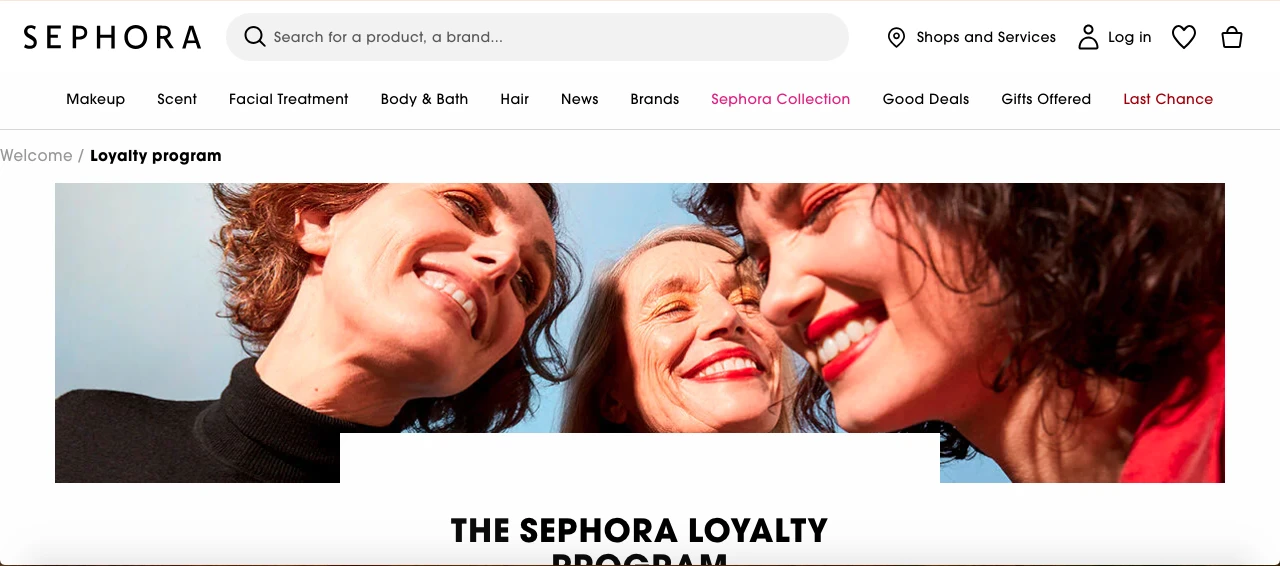
In the fashion and beauty world, visuals matter, and UGC gives people the chance to see real results on real people, not just models in campaigns.
- Sephora built an entire Beauty Insider Community where customers share tutorials, product reviews, and makeup looks. It doubles as a helpful resource and a loyalty builder.
- ASOS showcases customer styling photos and fit demos right on their product pages. This helps shoppers see how clothes look on different body types, making the buying decision easier.
- Fenty Beauty regularly features diverse customer content, showing off its inclusive product range while making people feel truly represented.
Takeaway: UGC that celebrates diversity, community, and real results wins big in fashion and beauty.
Food and Beverage Sector

Food is meant to be shared, and not just on the table. UGC in this space taps into cravings and creativity at the same time.
- Starbucks encourages customers to post their drink creations, especially around seasonal items. These posts inspire others to try new combos and spark social buzz.
- Ben & Jerry’s lets fans suggest new ice cream flavors and even vote on them, making them feel part of the process.
- Domino’s invites users to show off their pizza creations, turning simple orders into fun content.
Takeaway: Letting customers play with your product and share it their way creates a fun, viral loop.
Travel and Hospitality
In travel, seeing is believing. UGC gives people a taste of the real experience before they book.
- Marriott encourages guests to share photos from their trips, giving future travelers an authentic preview of destinations and hotel stays.
- Uber uses customer stories to highlight smooth, reliable experiences in everyday life.
- Booking.com puts reviews and user photos front and center during the booking process, helping users feel more confident in their choices.
Takeaway: Real photos and reviews sell the experience far better than any brochure ever could.
Technology and Electronics
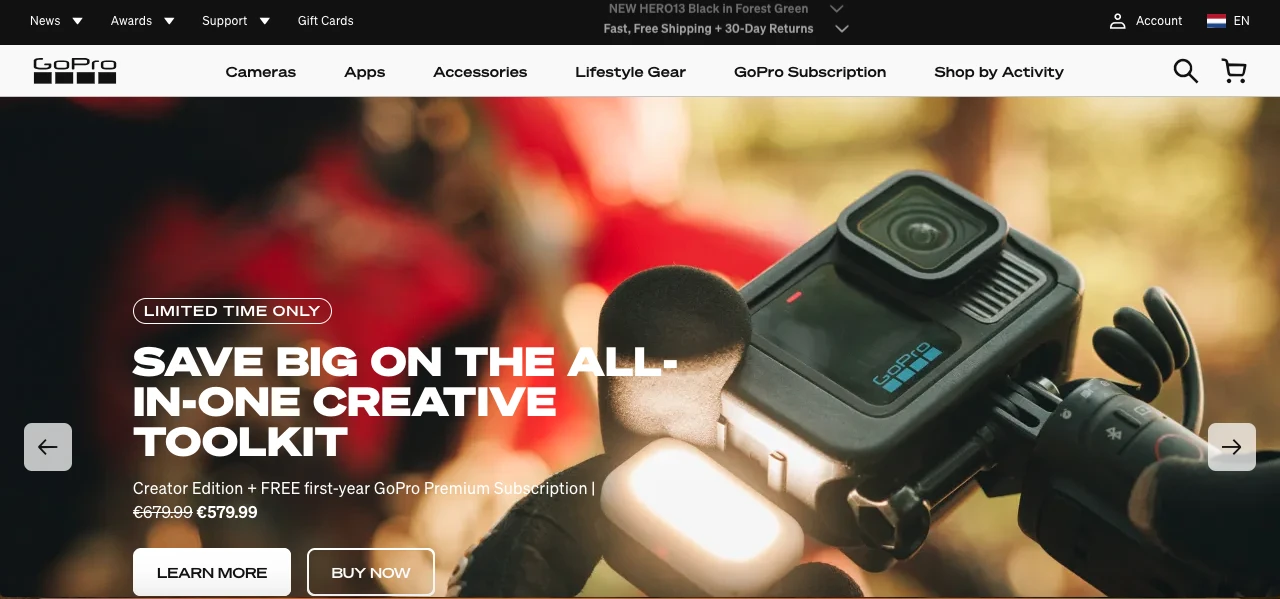
Tech brands often rely on features to stand out, but UGC brings those features to life in ways ads can’t.
- Apple’s “Shot on iPhone” campaign turned everyday users into ambassadors by highlighting stunning photos taken on their phones.
- Samsung shares customer stories showing how people use tech creatively in their daily lives.
- GoPro has built an entire identity around action-packed footage sent in by its users.
Takeaway: Let your customers show off what your product can do—it’s more convincing than any spec sheet.
Retail and E-commerce
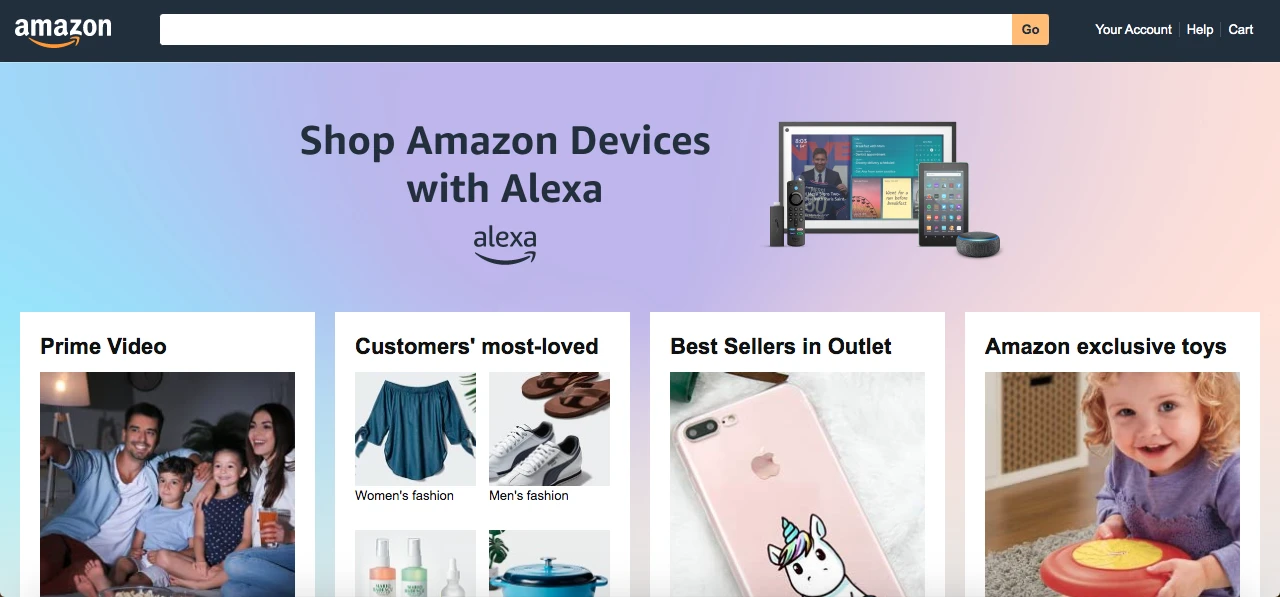
Retail brands are leaning into UGC to help customers make faster, more confident buying decisions.
- Amazon uses customer photos and reviews to guide purchases—millions of buyers rely on this UGC every day.
- Target features real customer home and style posts across their social and product pages.
- Unboxing videos and try-ons help people know exactly what they’re getting before they buy.
Takeaway: Showcasing real customer experiences builds trust and moves people from browsing to buying faster.
Tools and Technologies for UGC Management
Managing user-generated content effectively requires the right mix of tools to collect, organize, analyze, and share content seamlessly.
UGC Collection Tools
Use hashtag monitoring platforms like Brandwatch and Hootsuite Insights to track brand mentions and relevant hashtags across social media.
Social listening tools such as Mention and Sprout Social provide deeper analysis.
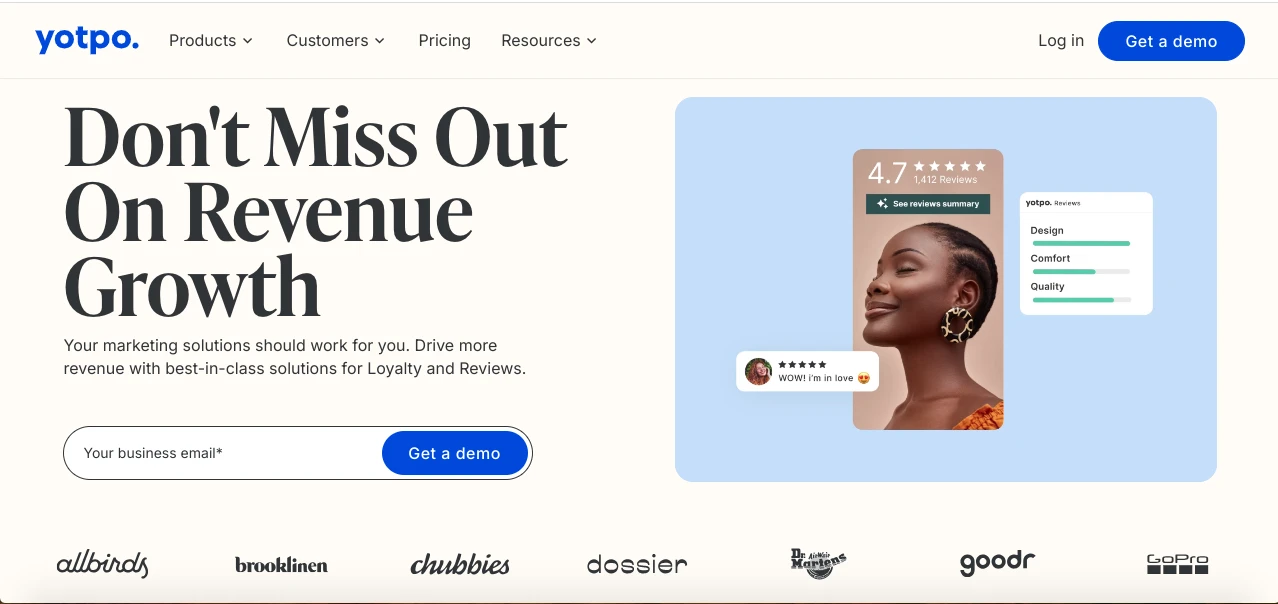
For customer reviews, tools like Yotpo and Bazaarvoice help gather and organize feedback.
Content Management Systems
Digital asset management systems help keep your UGC library organized and easy to search. Workflow automation streamlines content approvals and quality control.
Rights management tools ensure legal compliance when handling large amounts of content. Collaboration features allow teams to review and contribute efficiently.
Analytics and Measurement Tools
Performance dashboards track how UGC compares to branded content. ROI measurement platforms calculate the financial impact of your campaigns. Engagement analytics show which content resonates most with your audience.
Sentiment analysis tools help monitor customer perception and brand health.
Automation and Scheduling Tools
Automate scheduling and publishing to maintain a steady flow of UGC across channels. Engagement automation helps respond quickly to customers.
Moderation and filtering tools keep your brand safe by managing inappropriate content. Integration with your marketing tech stack ensures everything works smoothly together.
Tips to Encourage Followers to Share User-Generated Content on Social Media

The key is to make it fun, easy, and worth their time. Whether it’s running a creative hashtag challenge, resharing customer posts regularly, or offering small rewards, giving people a reason to join in makes all the difference.
Below, you’ll find simple ways to inspire your followers to start creating and sharing content that builds your brand for you.
Create a branded hashtag
Give your community an easy way to join the conversation. A catchy, branded hashtag makes it simple for people to share their content and helps you track it all in one place. Want some ideas? Keep it simple, easy to remember, and funny.
Make it easy to participate
Believe me! You don’t want to overcomplicate it! So, keep your UGC asks simple, like “Tag us in your post” or “Show us how you use this product.” Clear instructions = more participation.
Run fun challenges or contests
Social media challenges are still going strong. Create one around your product or service to spark creativity and get people posting. Oh, and don’t forget to offer free stuff to your followers!
Engage with the content you’re tagged in
Always like, comment on, or respond to tagged posts. When people see you noticing and interacting, they’re more likely to share again.
Don’t be like those cold business owners who think that if people promote their brands, it’s because of the service they receive! Try to create a warm and friendly relationship with your followers and customers.
Show behind-the-scenes content from customers
Let your followers see how others are using your product in real life. It builds trust and makes them want to be part of the story too.
Collaborate with micro-creators
You don’t need big influencers. Work with real fans who already love your brand to kick off a wave of authentic UGC. If you do so, they will repay you once they are a big influencer!
How to Measure UGC Success and ROI?

Measuring the impact of user-generated content helps you understand what’s working and what’s not. Start by paying attention to how people engage with the content your customers share. Are they liking, commenting on, or saving it more than your usual posts? That’s a good sign it’s hitting the mark.
Check how far that content spreads. If customer posts are getting more views and reaching new audiences, you’re growing your visibility without paying extra.
Also, look at whether UGC is driving real action. Are people buying after seeing it? Signing up? Sharing it with others? That’s where you start to see true ROI.
Keep track of how much time and money you’re saving by using UGC instead of creating everything yourself. And don’t forget to notice how often people are choosing to share their experiences. A steady flow of content from your followers means they’re genuinely connecting with your brand.
Lastly, think long-term. If you’re seeing more repeat customers or more positive conversations around your brand, UGC is doing more than just filling up your feed; it’s building trust and loyalty that lasts.
12 Common UGC Mistakes to Avoid

- Not giving proper credit to the original creator.
- Sharing customer content without asking permission.
- Using different credit styles across platforms.
- Being unclear about how their content will be used.
- Posting low-quality or off-brand photos.
- Skipping moderation and sharing inappropriate content.
- Ignoring your visual and tone guidelines.
- Sharing blurry or unpolished content that reflects poorly.
- Overlooking copyright or fair use laws.
- Violating platform rules or terms of service.
- Sharing personal info without clear consent.
- Using content from minors without permission.
Future Trends in UGC Marketing

User-generated content is changing quickly, and brands that want to stay relevant need to keep up. It’s no longer just about photos and videos—thanks to tech like AR, VR, and voice platforms, we’re entering a new era of immersive, interactive content.
New spaces like live streaming, gaming, and even the metaverse are giving people more creative ways to share their experiences with brands.
At the same time, growing privacy concerns mean brands have to be more transparent and thoughtful about how they collect and use data.
Looking ahead, the most effective UGC strategies will be the ones that feel authentic, community-driven, and truly reflect the voices of the people behind them.
Conclusion
User-generated content is a fantastic way to create real connections with your customers while helping your business grow in a meaningful way. It’s important to understand the legal side of things and always give proper credit, but beyond that, the real secret is making your customers feel appreciated and involved.
When people know their voices matter, they’re more likely to stick around and become loyal fans who share your brand with others.
Authenticity isn’t something you can just fake; it’s something you build over time by genuinely listening and engaging with your community.
As you get more comfortable, you can expand and try new things. Technology and social platforms will keep changing, but one thing will stay the same: people respond best to honest, human stories, not sales pitches.
So put your customers at the heart of everything you do, and you’ll see the difference.
FAQs
How do I get permission to share user-generated content?
Just ask the creator directly, usually through a message. Be clear about how you want to use their content.
What’s the difference between UGC and influencer content?
UGC comes from everyday customers sharing their real experiences. Influencer content is made by people paid or partnered with the brand.
Which social media platforms are best for UGC campaigns?
Instagram, TikTok, and Facebook are top choices because they encourage sharing and have great tools for UGC.
How can I encourage customers to create content about my brand?
Run contests, create branded hashtags, offer incentives, and regularly engage with posts from customers.
What legal issues should I consider when sharing UGC?
Always get permission, give proper credit, respect privacy laws, and avoid sharing content from minors without consent.
How do I measure the success of my UGC campaigns?
Look at engagement rates, reach, how many new followers you gain, and whether UGC leads to more sales or sign-ups.
What tools can help me manage UGC at scale?
Tools like Later, Hootsuite, and dedicated UGC platforms help collect, schedule, and track user content easily.
How do I handle negative or inappropriate UGC?
Respond politely to negative feedback, and remove any content that’s offensive or violates your guidelines.

Emi Daniel
Buy an Established Instagram Account
Skip starting from zero. Browse Instagram/TikTok accounts with audiences across many niches.
See Available AccountsRelated articles
-

Meta Ad Library: How to Find and Analyze Competitor Ads
Some ads are easy to ignore until you notice the same brand appearing in your feed again and again. You may start wondering what they are saying,…
18 min readEmi Daniel
-
Best Influencer Marketing Software in 2026: Top Platforms to Grow Your Brand
Influencer marketing used to feel optional, something you tried after you’d “done” everything else. Now it’s often the first place customers hear about a brand. The problem…
18 min read -

The Ultimate Digital and Social Media Marketing Playbook: From Basic to Advanced Tactics
Are you tired of trying different methods and realizing your brand doesn’t get the attention it deserves? If so, you need to come up with the right…
23 min read