
Your Instagram posts are getting lost in the noise. Since 2020, engagement rates have dropped by 30% across the platform. This means timing your posts has never been more important.
Instagram’s algorithm changed dramatically in 2024 and 2025. The platform now puts even more weight on how quickly people engage with your content. Post at the wrong time, and your content might never reach your audience.
The good news? You can beat the algorithm by posting when your audience is most active. Smart timing can boost your reach, increase your engagement, and grow your following faster than ever.
This guide will show you exactly when to post in 2025. You’ll learn the science behind Instagram’s timing preferences. You’ll discover the best times for your specific industry and audience. Most importantly, you’ll get the tools to find your own perfect posting schedule.
Whether you’re a small business owner, content creator, or marketing professional, these strategies will help you get more eyes on your content. Let’s dive into the data and start maximizing your Instagram success.
The Science Behind Instagram Timing and Algorithm Impact

How Instagram’s Algorithm Prioritizes Content Timing
Instagram’s algorithm looks at three main factors when deciding who sees your posts. These are engagement velocity, relationship strength, and timeliness. Engagement velocity means how fast people like, comment, and share your content right after you post it.
The first 60 minutes after posting are called the “golden hour.” During this time, Instagram watches your post closely. If lots of people engage quickly, the algorithm shows your content to more people. If engagement is slow, your post gets buried.
Instagram counts different types of engagement differently. Comments and shares carry more weight than likes. Saves are especially valuable because they show people want to keep your content. Getting all these interactions within the first hour gives you the best chance of going viral.
The algorithm distributes content based on when you post and when your followers are online. Post when nobody’s looking, and you miss your chance to build early momentum. Post when your audience is scrolling, and you can ride that wave to massive reach.
User Behavior Patterns and Feed Consumption
People use Instagram at predictable times throughout the day. Most users check their feed during lunch breaks, commute times, and evening relaxation periods. Understanding these patterns helps you time your posts perfectly.
Mobile usage drives Instagram engagement. Over 95% of users access Instagram on their phones. This means posting times align with when people naturally pick up their devices. Morning coffee, lunch breaks, and pre-bedtime scrolling create clear opportunity windows.
Attention spans are shorter than ever. Users spend just 1-2 seconds deciding whether to engage with a post. During peak hours, competition for attention is fierce. Your timing needs to put your content in front of users when they’re most likely to stop and engage.
Feed saturation affects how many people see your content. When everyone posts at the same time, even great content gets overlooked. Sometimes posting slightly off-peak can give you less competition and better visibility.
2025 Algorithm Updates Impact on Timing
Instagram made major changes to content distribution in 2025. The platform now prioritizes fresh content even more than before. Recency signals help determine which posts appear at the top of feeds.
Cross-platform integration with Threads and Facebook affects timing strategy. Content posted across multiple Meta platforms gets a boost, but timing needs to work for each platform’s audience behavior.
AI-driven content recommendations now consider posting time as a ranking factor. The system learns when your audience is most engaged and can penalize posts that consistently perform poorly due to bad timing.
These updates mean timing optimization isn’t optional anymore. It’s a requirement for anyone serious about Instagram growth in 2025. To make the most of your content strategy, it’s crucial to understand how often to post on Instagram for maximum reach and engagement.
Universal Best Times to Post on Instagram in 2025

Daily and Weekly Posting Patterns
Monday through Friday, your best bet is posting between 11 AM and 2 PM Eastern Time. This window captures lunch-break scrollers and afternoon procrastinators. The absolute peak time is 12 PM when engagement rates are highest across all demographics.
Weekends follow different patterns. Saturday’s sweet spot is 10 AM to 12 PM when people are relaxing and catching up on social media. Sunday works best from 12 PM to 2 PM as users wind down and prepare for the week ahead.
Tuesday and Wednesday consistently show the highest engagement rates. Thursday can work well too, especially for content that builds excitement for the weekend. Monday engagement picks up after 11 AM once people settle into their work routine.
Avoid posting between 9 PM and 6 AM. These hours show consistently low engagement across all audience types. Late night posts get buried by the time your audience wakes up and starts scrolling again.
Time Zone Strategy for Maximum Reach
Eastern Time zones capture the largest US audience, making EST your default reference point. However, you need to consider where your followers actually live. Check your Instagram Insights to see your audience’s geographic breakdown.
For national reach, consider the Pacific Time delay. When it’s 12 PM EST, it’s only 9 AM PST. Your West Coast followers might not be active yet. Sometimes posting at 2 PM EST captures both coasts effectively.
International audiences require different strategies. European followers are most active 6-9 hours ahead of US time zones. If you have significant international following, consider alternating posting times or posting twice for different regions.
Tools like Later and Hootsuite can help manage multiple time zone posting. Set up different posting schedules for different audience segments to maximize global reach.
Seasonal and Cultural Timing Variations
Holiday seasons shift normal posting patterns. During November and December, weekend engagement often increases as people shop and plan celebrations. Back-to-school periods in August and September see changes in daily patterns.
Summer months show later peak times as people’s schedules become more flexible. Winter months trend earlier as daylight hours decrease and indoor time increases. Monitor your analytics for these seasonal shifts.
Cultural events create timing opportunities. During major sports events, awards shows, or news cycles, real-time posting can capture trending attention. Plan your content calendar around these moments for maximum impact.
Industry-Specific and Audience-Targeted Optimal Times

Business Type Posting Schedules
B2B companies see best results Tuesday through Thursday, 9 AM to 11 AM. Business professionals check social media during morning coffee and pre-meeting downtime. Avoid Mondays when people focus on email catch-up.
Fashion and lifestyle brands perform best Wednesday through Friday, 1 PM to 3 PM. This timing catches the afternoon style inspiration seekers and pre-weekend shoppers. Visual content thrives during these aesthetic browsing hours.
Food and restaurant accounts should focus on Thursday through Saturday, 5 PM to 7 PM. This captures dinner planning and weekend restaurant research. Morning food posts work well too, around 8 AM to 10 AM for breakfast inspiration.
Fitness and wellness content performs strongest Monday, Wednesday, and Friday from 6 AM to 8 AM. Early morning motivation seekers are your primary audience. Evening posts around 6 PM to 8 PM catch post-workout energy too.
E-commerce brands find success Tuesday through Thursday, 10 AM to 12 PM. This timing captures impulse shoppers and lunch-break browsers. Avoid Monday morning when people focus on work tasks instead of shopping.
Healthcare and professional services work best during traditional business hours. Tuesday through Thursday, 9 AM to 11 AM reaches professionals during their social media check-in times.
Entertainment and media content thrives Wednesday through Saturday, 2 PM to 4 PM. This catches afternoon entertainment seekers and pre-weekend fun planners.
Demographic-Based Timing Strategies
Gen Z users show peak engagement 3 PM to 6 PM on weekdays and 10 AM to 12 PM on weekends. They check Instagram after school or work and during lazy weekend mornings. Evening engagement continues until about 9 PM.
Millennials prefer 8 AM to 9 AM during morning routines and 7 PM to 9 PM during evening relaxation. They use Instagram as part of their daily ritual and wind-down time. Lunch hour posting also works well for this group.
Gen X and Baby Boomers engage most 10 AM to 12 PM on weekdays. They use Instagram more deliberately during designated social media time rather than constant checking throughout the day.
Working professionals across all ages show consistent patterns around break times. Target 9 AM coffee breaks, 12 PM lunch hours, and 3 PM afternoon breaks for maximum professional audience reach.
Students create different patterns during the school year versus summer. Adjust your strategy based on academic calendars if students are part of your target audience.
Geographic and Regional Considerations
Urban audiences tend to have longer commutes, creating morning and evening social media windows. Suburban and rural audiences may have different daily rhythms based on work and lifestyle patterns.
International markets require completely different timing strategies. European business hours are 6-9 hours ahead of US times. Asian markets are 12-16 hours ahead. Research each target market’s local usage patterns.
Regional cultural differences affect timing too. Southern US audiences might have different meal and work patterns than Northeast audiences. West Coast tech workers might scroll at different times than Midwest manufacturing workers.
Climate impacts posting times seasonally. Northern regions with harsh winters see more indoor screen time during cold months. Southern regions might see increased social media use during hot summer afternoons when people stay inside.
Content-Type Specific Timing Strategies

Feed Posts Timing Optimization
Photo posts perform best Monday through Wednesday, 11 AM to 1 PM. Single images get quick engagement during fast-scrolling periods. These posts work well when people want quick visual content during busy days.
Carousel posts need more attention time, making Tuesday through Thursday, 12 PM to 2 PM ideal. Users need to swipe through multiple images, requiring focused browsing time rather than quick scrolling periods.
Video posts demand the most attention, working best Wednesday through Friday, 1 PM to 3 PM. Longer videos especially need timing when users have time to watch and engage fully with your content.
User-generated content can be more flexible with timing since authenticity matters more than perfect optimization. However, reposting UGC during your regular optimal times maximizes its reach and impact.
Instagram Stories Timing Mastery
Daily Stories perform best during two windows: 12 PM to 2 PM and 5 PM to 7 PM. These times catch lunch browsers and after-work scrollers when people actively check Story highlights.
Story series and tutorials work well during longer browsing sessions. Weekend mornings and weekday evenings give users time to watch multiple Story segments without feeling rushed.
Behind-the-scenes content thrives during off-peak hours when users want more intimate connection. Late morning and early afternoon timing feels more authentic and less promotional.
Story highlights compilation should happen during your peak posting times since these become permanent content on your profile. Time them like regular feed posts for maximum initial visibility.
Instagram Reels Posting Strategy
Trending Reels perform best Tuesday through Thursday, 9 AM to 12 PM. This timing catches users who are actively seeking entertainment and new content discovery during productive morning hours.
Educational Reels work well Monday through Wednesday, 10 AM to 1 PM. Users seek learning content during focused browsing time rather than entertainment-focused evening scrolling.
Entertainment Reels thrive Thursday through Saturday, 2 PM to 4 PM. This captures pre-weekend energy and afternoon fun-seeking behavior when users want lighter content.
Coordinate your Reels with trending audio and hashtags by posting when those trends are gaining momentum. Use trending discovery tools to time your content with peak trend popularity.
IGTV and Long-Form Content
IGTV content needs dedicated viewing time, making Wednesday through Friday, 12 PM to 3 PM optimal. Users need longer attention spans for video content that extends beyond typical short-form viewing.
Educational content works well during focused browsing periods. Mid-week timing catches users seeking professional development and learning opportunities during work breaks.
Tutorial and how-to videos perform best when users have time to follow along. Weekend mornings and weekday lunch periods provide the attention spans needed for instructional content.
Live video announcements should happen during your peak engagement times. Go live when your audience is most active to capture maximum real-time viewers and generate replay engagement.
Tools and Methods to Discover Your Personal Best Times

Instagram Native Analytics Deep Dive
Instagram Insights provides your most valuable timing data. Access this through your professional account settings. The Audience tab shows when your followers are most active throughout the week.
Look for the “Most Active Times” graph in your Insights. This shows hour-by-hour activity patterns for your specific audience. Dark blue indicates highest activity periods. Light blue shows moderate activity times.
Track your content performance by posting time. Create a simple spreadsheet noting when you post and how each post performs in the first hour, first day, and first week. Look for patterns in your highest-performing content.
Your follower demographics affect optimal timing. Age, location, and interests all influence when your audience uses Instagram. Review these demographics monthly to spot changes that might affect your timing strategy.
Third-Party Analytics and Scheduling Tools
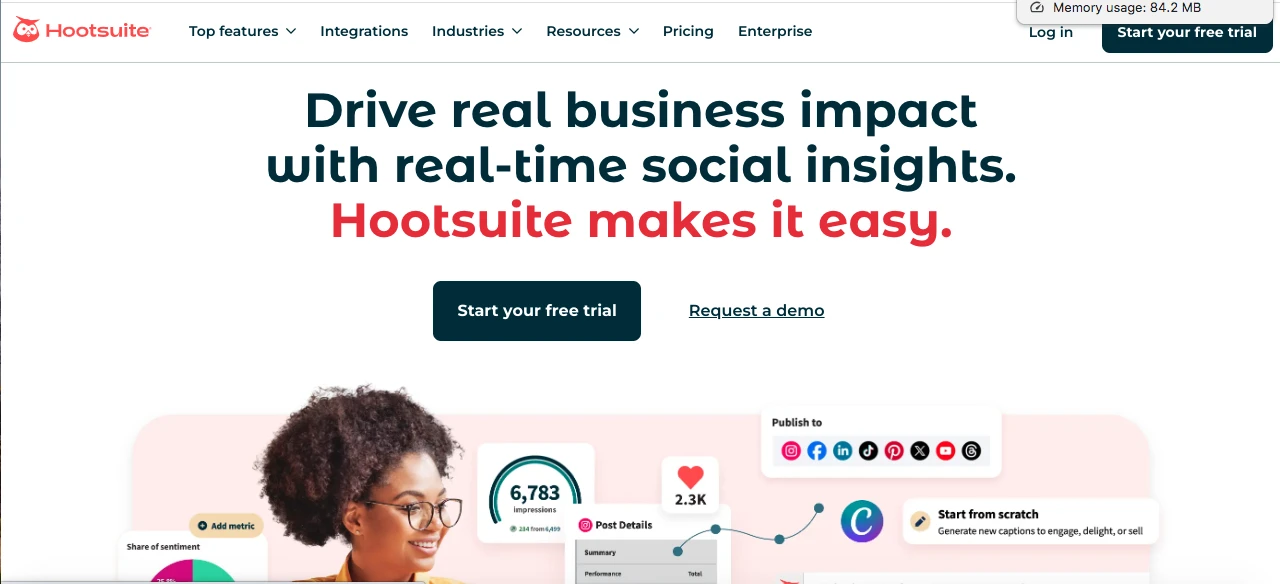
Hootsuite Analytics provides detailed timing recommendations based on your account’s historical performance. The tool analyzes your past posts and suggests optimal times for future content.
Sprout Social offers audience insights that go beyond Instagram’s native analytics. You can see comparative performance across different posting times and content types.
Later’s “Best Time to Post” feature uses your account data to recommend personalized posting schedules. The tool updates recommendations as your audience and performance patterns change.
Buffer provides scheduling optimization with automatic posting time recommendations. You can set up recurring schedules based on your optimal timing data.
Creator Studio, Facebook’s free tool, manages Instagram and Facebook posting with basic timing analytics. It’s a good starting point for businesses already using Facebook marketing tools.
Free tools provide basic insights, while paid tools offer deeper analytics, automation features, and cross-platform management. Choose based on your needs and budget.
Manual Testing and Data Collection Methods
A/B testing posting times requires a systematic approach. Post similar content at different times and compare performance. Keep content quality and type consistent to isolate timing as the variable.
Create a testing framework with control groups. Post identical content types at your current “best” time and alternative times. Track engagement rates, reach, and comments for each time slot.
Use spreadsheet templates to track your testing data. Record posting time, content type, engagement metrics, and external factors that might affect performance. Look for patterns over 4-6 week periods.
Document external factors like holidays, news events, or seasonal changes that might skew your data. This helps you identify true timing patterns versus external influences on engagement.
Advanced Analytics and Tracking Systems
Custom spreadsheet tracking gives you complete control over your data analysis. Create templates that track posting time, content type, hashtags used, and detailed engagement metrics.
UTM parameters can track timing impact on website traffic. Use different UTM codes for posts at different times to see which posting times drive the most click-through traffic.
Engagement velocity measurement tracks how quickly your posts gain traction. Monitor likes, comments, and shares in 15-minute intervals for the first two hours after posting.
ROI tracking connects timing optimization to business results. Track how timing changes affect follower growth, website traffic, and conversions to measure the real value of your optimization efforts.
Testing and Optimization Framework

Setting Up Your Testing Protocol
Successful timing tests need at least 4-6 weeks of consistent posting. Shorter periods don’t account for weekly variations and external factors that can skew your results.
Control your testing variables carefully. Change only posting time while keeping content quality, type, and frequency consistent. Mixed variables make it impossible to determine what’s driving performance changes.
You need adequate sample sizes for reliable conclusions. Post at least 3-4 pieces of content during each time slot you’re testing. Single posts can be outliers that don’t represent true timing performance.
Create documentation templates before starting your tests. Track posting time, content type, engagement rates, reach, impressions, and any external factors that might influence results.
A/B Testing Methodologies
Single variable testing focuses on timing alone. Use similar content types, hashtags, and captions while varying only the posting time. This isolates timing as the performance factor.
Maintain content quality consistency during testing periods. Don’t test timing with your best content versus your worst content. Use comparable quality posts to get accurate timing data.
Statistical significance requires enough data points to draw reliable conclusions. Random high or low performing posts can skew results if you don’t have enough examples in each time slot.
Account for external factors that might affect engagement. Major news events, holidays, or trending topics can temporarily change engagement patterns and skew your timing tests.
Data Analysis and Interpretation
Track key metrics consistently across all test posts. Focus on engagement rate, reach, impressions, and comments rather than just likes. Different metrics might show different optimal timing patterns.
Understanding engagement velocity curves helps identify your best timing. Look at how quickly posts gain engagement in the first few hours, not just total engagement after 24 hours.
Pattern recognition requires looking beyond individual post performance. Weekly patterns, content type patterns, and audience behavior patterns all contribute to optimal timing strategies.
Identify and account for outliers in your data. Viral posts or unusually poor performing content can skew your average results. Look at median performance as well as averages.
Implementation and Iteration Process
Make gradual timing adjustments based on your test results. Don’t completely overhaul your posting schedule based on limited data. Implement changes slowly and monitor results.
Plan seasonal testing cycles to account for changing audience behavior. Summer, holiday, and back-to-school periods might shift your optimal timing, requiring regular retesting.
Account for audience growth impact on timing. As your follower count grows and demographics change, your optimal posting times might shift. Retest quarterly for growing accounts.
Develop long-term strategy evolution plans. Your timing strategy should adapt as Instagram’s algorithm changes, your audience grows, and your content strategy develops.
Advanced Timing Strategies and Growth Hacks

Cross-Platform Timing Coordination
Coordinate Instagram and Facebook posting for maximum cross-platform reach. Slight timing delays between platforms can help you dominate feeds without overwhelming followers who follow you everywhere.
Time your Stories and feed posts strategically. Post Stories 30-60 minutes before feed posts to warm up your audience and build anticipation for your main content.
Coordinate Reels timing with trending hashtags and sounds. Monitor trending content and time your Reels when those trends are gaining momentum but not yet oversaturated.
Align Instagram timing with Pinterest, TikTok, and Twitter posting. Cross-platform promotion works best when each platform’s content goes live during that platform’s optimal engagement windows.
Community Engagement Amplification
Warm up your community before posting through Stories or previous post comments. Give your most engaged followers a heads up about upcoming content to boost initial engagement velocity.
Use Story teasers 2-4 hours before publishing feed posts. This builds anticipation and ensures your most active followers are watching for your new content when it goes live.
Schedule cross-promotion across your marketing channels. Email newsletters, other social platforms, and website announcements can drive traffic to new Instagram posts during optimal timing windows.
Coordinate with other creators or brands for mutual engagement boosts. Comment and share each other’s content during optimal times to boost initial engagement velocity for everyone involved.
Trending Content and Real-Time Marketing
Monitor breaking news and trending topics for real-time posting opportunities. Quick response to trending moments can capture massive engagement if timed perfectly with peak audience activity.
Use hashtag trending tools to identify optimal windows for trending hashtag usage. Jump on trends during their growth phase rather than when they’re already oversaturated.
Plan viral content timing strategies for when your posts have potential to go beyond your normal audience. Optimal timing becomes even more crucial when content has viral potential.
Execute event-based marketing timing around live events, product launches, or seasonal moments. Prepare content in advance but time publication for maximum event-related engagement.
Algorithm Gaming Techniques (Ethical)
Build engagement pods with other creators in your niche. Coordinate timing so pod members can boost each other’s initial engagement velocity during optimal posting windows.
Plan comment and share velocity boosting by asking your most engaged followers to interact with posts immediately after publishing. Early engagement signals boost algorithmic distribution.
Use Story-to-feed cross-promotion timing strategically. Post Stories that drive traffic to your feed posts during optimal engagement windows for both content types.
Coordinate multiple account strategies if you manage several Instagram profiles. Stagger timing so accounts can cross-promote without competing for the same audience attention simultaneously.
Global Audience and Multi-Time Zone Strategies

International Posting Schedule Development
Analyze your audience insights to identify your top geographic regions. Focus your timing strategy on the 2-3 largest audience concentrations rather than trying to optimize for everyone globally.
Map major time zones where your audience lives. Create a simple chart showing what time it is in each major region when you’re considering posting. This helps you visualize global timing impact.
Consider posting multiple times for different regions if your audience is truly global. Space posts 6-8 hours apart to catch different time zones’ peak hours without overwhelming single-region followers.
Use regional peak time identification tools within Instagram Insights. Look at your audience activity by location to see when different geographic segments are most active.
Cultural Timing Considerations
Research religious and cultural observances that affect social media usage in your audience regions. Ramadan, Chinese New Year, or regional holidays can significantly shift optimal posting times.
Integrate international holiday calendars into your content planning. What’s a normal Tuesday for you might be a major holiday somewhere else, affecting your international audience’s social media activity.
Learn local social media usage patterns for your major international markets. Work schedules, commute times, and daily routines vary significantly between cultures and regions.
Adapt your language-specific content timing to match when speakers of each language are most active. Your English content timing might differ from your Spanish or French content timing.
Scaling Global Timing Strategies
Set up team coordination systems if you’re posting around the clock. Clear handoff procedures ensure consistent timing optimization across different team members and time zones.
Use automation tools designed for global scheduling. Advanced tools can automatically adjust for daylight saving time changes and manage complex multi-time-zone posting schedules.
Plan regional content adaptation timing. Don’t just translate content – adapt it for regional preferences and time it for each region’s optimal engagement windows.
Track performance across different time zones separately. Your global strategy should be based on how well content performs in each major region, not just overall averages.
Frequency, Consistency, and Timing Balance

Optimal Posting Frequency Guidelines
Most accounts see best performance posting 3-7 times per week. This frequency maintains audience interest without overwhelming followers or diluting individual post performance through over-saturation.
Account size correlates with optimal frequency. Smaller accounts benefit from consistent but less frequent posting, while larger accounts can sustain higher posting frequencies without audience fatigue.
Balance quality versus quantity in your timing considerations. It’s better to post less frequently at optimal times with great content than to post constantly at suboptimal times with mediocre content.
Prevent audience fatigue by varying your content types and timing slightly within your optimal windows. Predictable posting can lead to reduced engagement even at perfect times.
Consistency Framework Development
Integrate timing optimization into your content calendar planning. Plan your posting schedule weeks or months in advance, considering optimal timing for each piece of content.
Batch content creation and scheduling to maintain consistency. Prepare multiple posts during your most creative periods and schedule them for optimal timing throughout the week.
Maintain your timing strategy during low-activity periods like vacations or busy work seasons. Pre-scheduled content keeps your optimal timing consistent even when you’re not actively managing your account.
Develop backup content strategies for when planned posts don’t work out. Having backup content ready lets you maintain optimal timing consistency even when primary content falls through.
Spacing and Content Distribution
Space posts at least 3-4 hours apart to avoid self-competition in your followers’ feeds. Posting too frequently, even at optimal times, can cause your content to compete against itself.
Rotate different content types throughout your optimal timing windows. Don’t always post the same type of content at the same time, or audience engagement patterns might become predictable and decline.
Plan peak hour content distribution to maximize your best content’s reach. Save your strongest content for your absolute peak engagement times rather than wasting these slots on lower-quality posts.
Consider off-peak strategic posting benefits. Sometimes less competition during sub-optimal times can result in better reach for certain content types or when you have particularly strong posts.
Common Timing Mistakes and How to Avoid Them

Over-Posting and Self-Competition
Posting multiple pieces of content within 2-3 hours creates self-competition. Your posts compete against each other in followers’ feeds, reducing overall engagement across all your content.
Weekend over-posting is particularly problematic since weekend engagement typically runs lower. Spreading weekend content across Saturday and Sunday performs better than clustering posts together.
Holiday and special event over-saturation happens when everyone posts similar content simultaneously. Sometimes posting slightly before or after major events gives you less competition and better visibility.
Monitor your post spacing using scheduling tools. Most tools show you when your other posts are scheduled, helping you avoid accidental clustering during optimal times.
Generic Timing Strategy Pitfalls
Relying solely on general “best times” without analyzing your specific audience data leads to suboptimal results. Generic advice doesn’t account for your unique audience demographics and behavior patterns.
Industry-specific timing patterns matter more than universal recommendations. A fitness account’s optimal times differ significantly from a restaurant’s optimal times, even with similar geographic audiences.
Ignoring your follower geographic distribution leads to mistimed posts. If 60% of your audience lives on the West Coast, posting at East Coast optimal times misses your primary audience.
Copying competitor timing without testing assumes your audiences behave identically. Even similar businesses can have different audience activity patterns requiring different timing strategies.
Inconsistency and Poor Planning Errors
Sporadic posting confuses the Instagram algorithm and makes it harder to identify your optimal timing patterns. Consistent posting helps both you and the algorithm understand when your content performs best.
Failing to maintain optimal timing during campaigns wastes marketing investment. If you’re investing in content creation or promotion, timing optimization ensures maximum return on that investment.
Ignoring performance data and continuing poor timing habits prevents growth. Regular review and adjustment of timing strategy is essential for continued Instagram success.
Seasonal and cultural timing shifts require strategy updates. What works in summer might not work in winter. What works during normal periods might not work during holidays.
Technical and Scheduling Mistakes
Time zone confusion in scheduling tools leads to posts going live at wrong times. Always double-check your scheduling tool’s time zone settings and verify posting times.
Daylight saving time changes can shift your optimal times by an hour twice yearly. Update your posting schedules and monitor performance during DST transition periods.
Automation tool glitches happen. Always have backup plans and monitor your scheduled posts to ensure they publish correctly at intended times.
Cross-platform timing conflicts occur when you optimize for one platform but ignore others. Coordinate timing across all your social media platforms for maximum overall impact.
Measuring Success and ROI from Timing Optimization

Key Performance Indicators (KPIs)
Track engagement rate within the first hour of posting as your primary timing KPI. Early engagement velocity directly correlates with algorithm distribution and overall post performance.
Monitor reach and impression growth patterns to see how timing affects your content’s distribution. Well-timed posts should show steady growth in reach over the first 24 hours.
Measure comment and share velocity since these engagement types carry more algorithmic weight than likes. Track how quickly posts receive comments and shares during different posting times.
Story completion rates vary by posting time. Track how posting time affects whether users watch your entire Story sequence versus dropping off early.
Website traffic timing correlation shows how posting times affect your broader marketing goals. Use Google Analytics to see which posting times drive the most Instagram-referred traffic.
Monthly and Quarterly Performance Reviews
Compare timing performance month-over-month to identify trends and improvements. Look for patterns in your best and worst performing posting times across different months.
Plan seasonal timing adjustments based on quarterly reviews. Summer, fall, winter, and spring might each require slightly different optimal timing strategies.
Account for audience growth impact on timing optimization. As your follower count grows, demographics might shift, requiring timing strategy adjustments.
Track how content type performance evolves with timing over longer periods. Your optimal timing for Reels might change as the format matures and your audience’s consumption patterns evolve.
ROI Calculation for Timing Strategies
Calculate time investment versus engagement improvement to determine if timing optimization efforts are worthwhile. Track hours spent on optimization against engagement rate improvements.
Monitor conversion rate improvements from better timing. If optimized timing drives more website traffic, track whether that traffic converts better than previous traffic sources.
Measure cost savings from optimized posting schedules. Better organic reach from optimal timing can reduce paid advertising needs, providing measurable ROI.
Track long-term growth attribution to timing optimization. Compare follower growth rates, engagement rates, and business metrics before and after implementing systematic timing strategies.
Continuous Improvement Process
Schedule regular timing strategy audits to review and update your approach. Quarterly reviews ensure your timing strategy stays current with algorithm changes and audience evolution.
Plan integration of new Instagram features into your timing strategy. As Instagram launches new content types or features, test optimal timing for each new format.
Monitor algorithm update impacts on your timing performance. Major platform changes might shift your optimal timing, requiring strategy adjustments.
Future-proof your timing strategies by staying flexible and data-driven. Avoid becoming too rigid in your timing approach as platforms and audiences continue evolving.
Industry Case Studies and Success Stories

Small Business Timing Success Stories
A local restaurant improved engagement by 150% by shifting from evening posting to lunch-time posting. They discovered their audience used Instagram to plan meals during lunch breaks rather than after dinner.
An e-commerce boutique increased click-through rates by 200% by moving product posts from weekends to Tuesday-Thursday lunch hours. Working professionals showed higher purchase intent during weekday breaks.
A fitness trainer grew her following 300% in six months by posting workout videos at 6 AM and 7 PM. These times captured both morning workout motivation and evening exercise planning.
Before optimization, these businesses posted randomly or copied general timing advice. After analyzing their specific audience data and testing systematically, they saw dramatic improvements in engagement and business results.
Large Brand Timing Strategies
Fortune 500 companies often use sophisticated timing strategies across multiple time zones. They post 2-3 times daily to capture different geographic audiences without overwhelming single-region followers.
Global brands coordinate timing with regional events and cultural moments. They maintain separate content calendars for different regions, optimizing timing for local audience behavior patterns.
Seasonal campaign timing execution requires months of advance planning. Major brands test timing strategies during smaller campaigns before implementing them for major product launches or seasonal promotions.
Crisis communication timing shows how important immediate response timing can be. Brands that respond quickly during optimal engagement hours manage crises better than those that delay responses.
Influencer and Creator Timing Tactics
Micro-influencers often see better results with precise timing than macro-influencers because they have less algorithmic momentum. Small creators benefit most from perfect timing optimization.
Content creators develop posting schedules around their audience’s lifestyle patterns. Gaming creators post when gamers are online. Parenting creators post during school hours when parents have free time.
Collaboration timing coordination between creators amplifies both accounts’ reach. When creators post collaboration content simultaneously during optimal hours, both audiences see increased engagement.
Monetization timing strategies focus on when audiences are most likely to make purchases or click affiliate links. Educational content might perform best during learning-focused hours, while product promotions work better during shopping-focused times.
Future-Proofing Your Instagram Timing Strategy

Preparing for Algorithm Changes
Develop adaptability frameworks that can adjust to algorithm updates quickly. Focus on understanding audience behavior patterns rather than just memorizing current optimal times.
Set up early indicator monitoring systems to spot algorithm changes before they fully impact your performance. Track engagement velocity, reach patterns, and distribution metrics for early warning signs.
Test new Instagram features immediately when they launch. Early adopters often see better performance, and optimal timing for new features might differ from existing content types.
Join creator communities and industry groups that share algorithm insights. Collective intelligence helps identify changes faster than individual testing alone.
Emerging Technology Integration
AI-driven timing optimization tools are becoming more sophisticated. These tools analyze your audience data and predict optimal posting times with increasing accuracy.
Predictive analytics for posting times will soon account for external factors like weather, news cycles, and cultural events that affect social media usage patterns.
Machine learning timing recommendations will personalize optimization beyond basic demographic data. These systems will consider individual follower behavior patterns for ultra-precise timing.
Balance automation with human oversight. While tools become more advanced, human creativity and intuition still play important roles in timing strategy success.
Platform Evolution Considerations
Instagram continues adding new content formats and features. Each new format requires timing optimization testing to maximize its effectiveness for your specific audience.
Cross-platform integration between Instagram, Facebook, Threads, and other Meta properties affects timing strategy. Future updates might further integrate these platforms’ algorithms and timing requirements.
The creator economy evolution impacts how timing affects monetization. As Instagram adds more creator tools and revenue options, timing optimization becomes more directly tied to income generation.
Audience behavior trends continue evolving with generational changes, technology adoption, and cultural shifts. Stay flexible and continue testing to adapt to these long-term changes.
Final Thoughts
Instagram timing optimization is more crucial than ever in 2025. With engagement rates declining and competition increasing, posting at the right time can make the difference between content that thrives and content that disappears.
Remember that audience-specific optimization always beats generic timing advice. Your unique audience has unique behavior patterns. Use Instagram Insights and systematic testing to discover your personal optimal times.
Consistency in testing and measurement drives long-term success. Set up systems to track your timing performance regularly. What works today might not work next month, so stay flexible and data-driven.
Balance data-driven decisions with creative intuition. While timing optimization is important, great content posted at decent times will always outperform mediocre content posted at perfect times.
Develop your long-term timing strategy as part of your broader Instagram marketing approach. Timing optimization supports your content strategy, audience growth goals, and business objectives.
Start implementing these timing strategies systematically. Choose 2-3 techniques from this guide and test them consistently for the next month. Build your optimization approach gradually rather than trying to change everything at once.
Your Instagram success in 2025 depends on reaching your audience when they’re ready to engage. Use these strategies to maximize your content’s impact and grow your presence on the platform.
FAQs
What are the absolute best times to post on Instagram in 2025?
Based on 2025 data, the universally best times are Monday-Friday 11 AM-2 PM EST, with peak engagement typically occurring around 12 PM. However, your specific audience may differ significantly, making personal analytics review crucial for optimal results.
How often should I post on Instagram for maximum engagement?
The optimal frequency is 3-7 posts per week, with 4-5 posts showing the best balance between maintaining audience interest and avoiding over-saturation. Consistency matters more than frequency, and quality should never be sacrificed for quantity.
Do Instagram Reels and regular posts have different optimal posting times?
Yes, Reels typically perform best Tuesday-Thursday 9 AM-12 PM when users are actively browsing and discovering new content, while regular posts see better engagement Monday-Wednesday 11 AM-1 PM when users
