


It’s one thing to invest in influencer marketing. It’s another to prove it’s working.
Right now, brands are spending more than $32 billion in 2025 alone. That number speaks volumes about how far influencer campaigns have come.
But the question still lingers: Is it worth it?
Buy an Established Instagram Account
Skip starting from zero. Browse Instagram/TikTok accounts with audiences across many niches.
See Available AccountsSome teams have figured out how to track results. Others? Not quite. Recent numbers suggest that around 13 to 16 percent of marketers still have a hard time measuring ROI in a meaningful way, and honestly, it makes sense!
Influencer content doesn’t always aim for direct conversions. Sometimes, it’s about long-term brand visibility or trust. That’s not as easy to measure as a click-through rate.
Here, I will explain how to measure influencer marketing ROI, how to achieve great results, and how to make smarter decisions!
What Is Influencer Marketing ROI?

When we talk about influencer marketing Return On Investment (ROI), we are discussing what kind of return you get from working with influencers. It is not always a matter of measuring direct sales.
Sometimes the worth is in things such as having your brand out there more, more users interacting with your posts, or building trust with your consumers.
Because influencer marketing campaigns may have differing goals, ROI isn’t always a direct measure. For some, it’ll be the site traffic generated, and others, the social media activity!
The idea is to be precise about what you’re attempting to do in advance and then focus on the measure of that.
The Importance of ROI in Influencer Marketing

If you’re spending money on influencer marketing, you need to know what you’re getting back. Here’s a list of factors that indicate the importance of ROI in influencer marketing:
Let’s begin with how tracking ROI helps businesses discover what’s working when they collaborate with an influencer. It helps you know whether the influencer is bringing more customers, target followers, sales, or if they are just wasting your money!
Besides, knowing how to measure influencer marketing ROI allows you to know which influencers are the best to collaborate with!
No need to mention that measuring ROI helps you ensure you are investing in the right place.
Now, what would happen if you skip measuring ROI?
Simple! You could end up throwing money at campaigns that don’t deliver.
What is the point of running different campaigns if they don’t help to reach your goals? That’s why knowing how to measure ROI enables you to run relevant campaigns that work the best for your business.
Understanding the Fundamentals of Influencer Marketing ROI

Before diving into metrics and formulas, it is critical to understand why influencer marketing ROI needs to be measured specially, unlike other marketing channels.
Why Traditional ROI Metrics Fall Short for Influencers
Determining ROI for influencer marketing is not like other advertising. Traditional measures like (Revenue – Cost) ÷ Cost fail to address everything that influencers bring.
When a person organically promotes your product, like on a recipe video, that credibility does not show up as instant sales but translates into real credibility over time.
When @cookingathome shares your kitchenware product in an authentic recipe video, that trust transfer doesn’t appear in immediate sales data but significantly impacts consumer perception.
Furthermore, influencer content keeps on performing well even after the campaign is over — think of posts and videos that you can reuse elsewhere.
Key Performance Indicators Specific to Influencer Campaigns
Instead of just counting sales, check other factors, such as awareness, engagement, conversions, content value, and sentiment.
You still believe these factors aren’t important? Let me clarify them!
Checking awareness helps you identify how many people saw or visited your profile, engagement analysis lets you know about the likes, comments, shares, saves, and checking conversions allows you to discover how many clicks, purchases, and sign-ups were made.
Setting Clear Goals Before Measuring Influencer Success
Start by asking:
- Are we most interested in direct sales or brand awareness?
- Do we need to build new audiences or engage more deeply with existing customers?
- Is developing unique content a priority objective alongside performance metrics?
Different Types of ROI in Influencer Marketing

When people hear “ROI,” they usually think sales—and sure, that’s part of it. But influencer marketing ROI is way more layered than just revenue.
Here’s what it looks like:
Monetary ROI: The obvious one—how much revenue came in compared to what you spent. But don’t stop here!
Content ROI: Think of the influencer’s content as a creative asset. What would it cost to produce that quality in-house? Probably way more.
Brand Awareness ROI: Did more people start following, talking about, or referencing your brand? That kind of visibility has long-term value.
Engagement ROI: Are people interacting, commenting, saving, and sharing? That means the content hit home.
Customer Loyalty ROI: Customers acquired by influencers typically have built-in trust, and that equates to a longer life cycle.
6 Essential Metrics for Measuring Influencer Marketing Success

Want to know if your influencer marketing is working? These six key metrics offer a clear, no-fluff look at what’s driving results.
Engagement Rate: More Than Just Likes
Engagement rate is still a top metric—but it’s not just about likes anymore.
Think bigger:
- Weighted engagement: Give more value to deeper actions (e.g., saves = 5 pts, comments = 3, likes = 1).
- Comment quality: Are people tagging friends or just dropping emojis?
- Trend comparison: Does your post perform better or worse than the influencer’s usual content?
Use this formula:
Engagement Rate = (Total Engagements ÷ Reach) × 100
Average rates fall between 3–6% on Instagram, but are higher for micro-influencers.
Conversion Tracking: From Scroll to Sale
Engagement’s great—but can you prove it led to sales?
To make it traceable, it is recommended to offer unique discount codes (like EMMA15), dedicated landing pages, and don’t stop at sales—track actions like sign-ups, app installs, or bookings..
Example: Glow Recipe links 15% of sales to influencer promo codes. That’s solid proof.
Audience Growth: Reach More, Grow Faster
Good influencers bring more eyes—and followers—to your brand.
Watch for follower spikes during campaigns, brand mentions across platforms, and profile visits from curious users.
Content Value: What’s That Post Worth?
Influencers aren’t just marketers—they’re content creators.
Compare the cost of a full-blown photoshoot vs. influencer content and real-world, relatable visuals vs. polished studio work.
If an influencer gives you $5,000 worth of content for $2,000, that’s serious ROI—without even counting sales.
Sentiment Analysis: What’s the Vibe?
It’s not just what people say—it’s how they say it.
Measure brand perception with comment tone, social listening tools, and brand mention mood.
If the tone shifts from “meh” to “must-have,” you’re doing something right.
Customer Lifetime Value: Playing the Long Game
Influencer-acquired customers often stick around longer and spend more.
To track breakout customers by source (influencer vs. paid ads) and compare repeat purchases and order sizes.
Take Gymshark—they found influencer-acquired buyers had 33% better retention. That’s next-level ROI.
Tips to Calculate Your True Influencer Marketing ROI
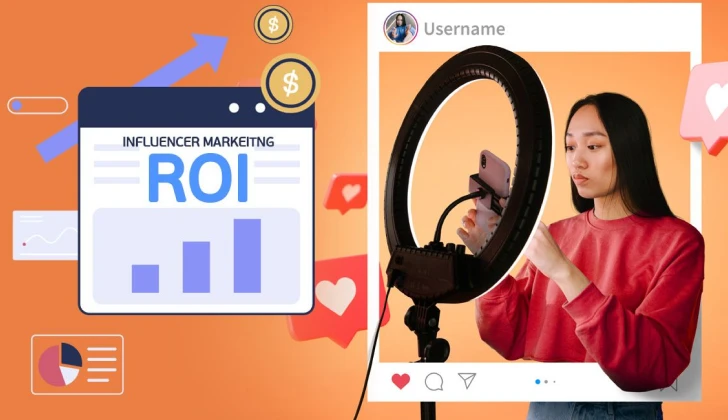
Once you are tracking the correct metrics, it is time to figure out if your influencer spend is yielding dividends. These are some strategies and tips on how you can easily calculate influencer marketing ROI.
Follow the Simple ROI Formula
Start with this basic calculation:
ROI = [(Revenue – Cost) ÷ Cost] × 100
If you spent $10K and made $50K from a campaign, your ROI is 400%. That means every $1 you spent brought in $4.
- A Smarter, More Complete Formula
Influencer campaigns offer more than just revenue. A better formula includes the extras:
ROI = [(Revenue + Content Value + Brand Lift + LTV Impact – Total Costs) ÷ Total Costs] × 100
It captures real business value, like content savings and long-term brand impact.
Putting a Value on the “Extras”
Not everything shows up in your Stripe account, but it still matters.
Here’s how to quantify intangibles:
- Content value: What would you pay a creative team for the same quality?
- Brand lift: How much would it cost to generate that exposure with ads?
- Time saved: How much did you save by not producing content yourself?
Example: A $10K campaign that drives $50K in sales, plus $15K in content value and $20K in brand lift = 750% ROI when calculated fully.
Compare Your Results to Industry Benchmarks
ROI means nothing without context. Compare yours against:
- Industry averages: Fashion gets 5–7% engagement; B2B often sees 1–3%.
- Platform behavior: TikTok = high engagement, lower conversions. Instagram = more balanced.
- Your past campaigns: Is this one better—or worse—than your usual?
FYI: Influencer Marketing Hub reports the average campaign generates $5.78 in value per $1 spent.
Short-Term Wins vs. Long-Term Payoff
Some results show up fast (sales, clicks). Others take time.
Short-term ROI:
- Immediate sales
- Engagement spikes
- Web traffic
Long-term ROI:
- SEO from backlinks
- Evergreen content
- Stronger brand loyalty
- Higher customer lifetime value
Example: Gymshark’s long-term influencer strategy helped grow it from zero to a $1.5B brand—proof that patience pays off.
How to Implement Effective Tracking Systems

Tracking influencer success isn’t just about likes and comments—you need solid systems to see what’s working.
Start with UTM Links
UTM links show you where traffic and sales are coming from. For each influencer, create a custom URL that includes the platform, campaign name, and creator’s handle. Something like:
yourbrand.com?utm_source=instagram&utm_medium=influencer&utm_campaign=summer&utm_content=emily
Keep things clean by shortening links with Bitly or creating branded ones (like yoursite.com/emilypicks). Just make sure influencers use their links properly so you can track results.
Add Promo Codes and Landing Pages
Links are great, but not everyone buys right away. Give each influencer a custom promo code—something short and easy to remember, like EMILY20. It helps track delayed purchases and shows who’s driving sales.
Want to take it further? Set up personalized landing pages with pre-filled codes and messaging that fits the influencer’s vibe. Brands like Fashion Nova credit over half their sales to influencers using this exact setup.
Use Social Listening to Track Buzz
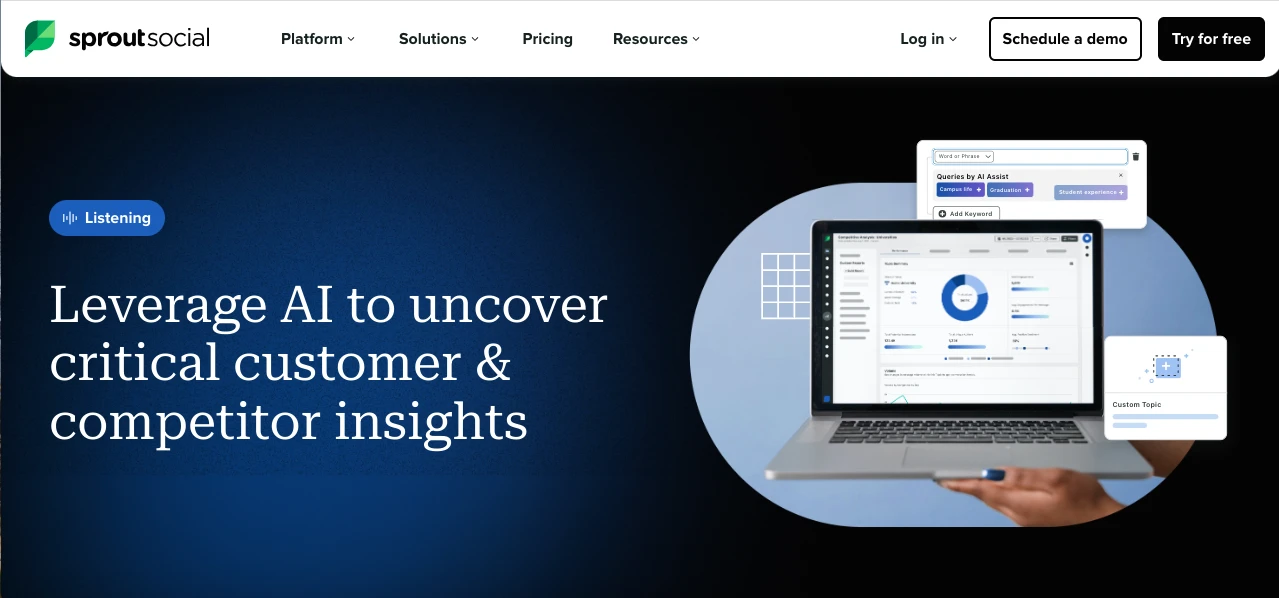
Some results don’t show up in your dashboard. That’s where social listening tools come in. They track brand mentions, hashtag use, and even estimate the value of all that organic buzz.
Tools like Brandwatch or Sprout Social can help you see the full picture—especially the awareness your campaign creates.
Use Smarter Attribution Models
Last-click attribution doesn’t do influencers justice. Switch to models like multi-touch, which gives credit across the buyer journey, or time-decay, which weighs actions closer to purchase but still counts earlier exposure.
Skincare brand Drunk Elephant did this and found their influencer campaigns were 35% more effective than they thought, just by changing how they tracked.
Key Influencer Marketing KPIs You Should Track

If you want to know whether your influencer marketing is successful, monitoring the right KPIs is not up for debate. These metrics provide you with actual insights into what drives impact and what requires adjustment.
Engagement Rate
It tells you how well the content connects with the audience. Are people liking, commenting, saving, or sharing the influencer’s post?
A high engagement rate usually means the message is hitting home.
Reach and Impressions
Reach shows how many unique users saw the content, while impressions count total views (including repeats). Both help you understand how much of your message reached—and whether your brand is entering new eyes.
Click-Through Rate (CTR)
CTR shows the number of people who clicked your link compared to the number of people who viewed it. It’s a solid measure of interest. If reach is high and CTR is low, the content will need a more compelling call to action or better placement.
Conversion Rate
Clicks are great, but conversions are what matter. Regardless of whether it was a download, sign-up, or sale, knowing what percent of people did something indicates to you a pretty clear picture of ROI.
Follower Growth
A rise in your social media followers during or after a campaign? That’s a positive sign that your influencer partner is helping raise your brand’s visibility and credibility.
Promo Code Usage
If you’re using individual promo codes for each influencer, track how frequently each is used. It’s a simple but effective way of measuring direct sales impact.
Customer Acquisition Cost (CAC)
This tells you how much you’re spending to gain each new customer through influencer efforts. The lower, the better—and it helps compare influencer marketing to other channels like paid ads.
Brand Mentions and Hashtag Usage
Use social listening tools to track how often your brand or campaign hashtags are mentioned. It’s a great way of gauging overall buzz and brand lift.
Sentiment Analysis
It’s not just what people say, but how they say it. Monitor comment tone, in addition to brand mentions, to see if the campaign is generating good vibes—or if there’s any negative feedback you need to address.
5 Proven Strategies to Maximize Influencer Campaign Results

You’ve got influencers on board—but are you making the most of those partnerships? Here are 5 ways to maximize your influencer campaign results:
Make Sure They Match Your Brand
When it comes to working with influencers, it’s not just about follower count. What matters is if their personality, tone, and audience feel like an extension of your brand.
You must ensure you will have mutual followers with them; what does it mean? It means you need to make sure your current followers will like the influencer, and their followers will find your brand or product valuable.
Guide Them, But Don’t Take Over
Share your goals and a few things you want mentioned—but don’t over-direct; why? Because influencers know how to connect with their followers. In other words, they know their followers better than you!
Remember that the more freedom they have, the more authentic and effective the content usually is.
Use Their Content
A good post shouldn’t live and die on one platform. The best strategy is to add it to your product pages, use it in your email campaigns, maybe even boost it as an ad. You already paid for it—why not stretch its value?
Doing so also brings more credit to your brand and encourages more people to follow your account or purchase your products.
Think Long-Term, Not Just One-Off Posts
When an influencer talks about your brand regularly, their followers start to trust it more. Thus, it is better to look for a long-term partnership; however, make sure the influencer is worthy of working with multiple times.
Plus, longer partnerships help you negotiate better rates and build stronger creative chemistry.
A/B Testing Different Influencer Approaches and Platforms
Test different platforms, formats (stories, videos, lives), and types of influencers. Pay attention to what moves the needle and try to do more of that!
Suppose you own a small business on Instagram, it is highly recommended to collaborate with influencers from different cities and on various platforms, rather than working with a few from your era!
Common Challenges in Measuring Influencer ROI

Despite best practices, several challenges complicate influencer ROI measurement. Here’s how to address them.
Addressing Attribution Issues in Multi-Channel Campaigns
When customers interact with multiple marketing channels before purchase, influencer impact becomes difficult to isolate:
Solution 1: Implement post-purchase surveys asking “How did you hear about us?” with influencer options.
Solution 2: Compare conversion rates during influencer campaigns against non-campaign periods.
Solution 3: Use incrementality testing by pausing other marketing in specific regions during influencer campaigns to measure isolated impact.
Clothing brand Fashion Nova attributes conversions to influencers even when the final click comes from email or direct, by using custom questions during checkout, ensuring their 2,000+ influencer partners receive proper credit.
Dealing with Fake Followers and Engagement
Inauthentic audiences diminish real ROI:
Verification strategies:
– Analyze engagement-to-follower ratios (healthy ranges vary by platform and follower count).
– Examine audience demographics for suspicious patterns.
– Use tools like HypeAuditor to flag potential fraud.
Focus on results: Ultimately, conversions and tangible metrics reveal true influence regardless of follower counts.
Luxury brand Tiffany & Co. switched from follower-based selection to engagement quality analysis, reducing their influencer roster by 30% while improving overall campaign performance by 25%.
Managing Expectations with Stakeholders and Leadership
Internal alignment on reasonable expectations prevents perceived ROI failures:
Education approach: Share industry benchmarks and case studies with stakeholders.
Staged goals: Set progressive metrics from awareness to consideration to conversion.
Visual reporting: Create dashboards showing both immediate returns and long-term value accumulation.
Warby Parker created a comprehensive influencer dashboard for executives showing campaign metrics alongside estimated traditional media costs for equivalent reach, helping leadership understand value beyond direct attribution.
5 Common Influencer Marketing ROI Mistakes (Tips to Avoid Them)

Even well-planned influencer campaigns can fall flat if you’re not careful. Here are the most common ROI mistakes brands make—and smart ways to avoid them:
- Mistake: Choosing influencers based on follower count.
Solution: Prioritize relevance and engagement rate over vanity metrics. A micro-influencer with a tight-knit, loyal following often converts better than a celebrity.
- Mistake: Running campaigns without clear goals.
Solution: Set clear, trackable goals—like website traffic, sales, or email sign-ups—before launching the campaign.
- Mistake: Treating influencer marketing as a one-off tactic
Solution: Focus on long-term relationships. Ongoing collaborations build trust, consistency, and stronger ROI over time.
- Mistake: Skipping proper tracking setup.
Solution: Use UTM links, influencer-specific promo codes, and custom landing pages to accurately measure impact.
- Mistake: Measuring surface-level metrics.
Solution: Dig deeper. Track conversions, lifetime value of influencer-acquired customers, and even content reuse value to see the true ROI.
Future Trends in Influencer Marketing Measurement

Influencer marketing isn’t just growing—it’s getting smarter. As brands look for better ways to measure ROI, here are the key trends shaping the future:
- Smarter Predictions with AI
AI tools like CreatorIQ are now doing more than tracking numbers—they’re helping brands predict which influencers will perform best, flagging issues early, and even recommending ways to improve content on the go.
- More Trust with Blockchain
Blockchain is stepping in to make influencer data more transparent. It helps verify real engagement (not bots), ensures creators get paid based on real results, and reduces the chances of shady reporting.
- Built-In Insights from Social Platforms
Instagram, TikTok, and Pinterest are stepping up their game. Their new creator tools give brands direct access to post performance, audience insights, and even conversions—cutting out the need for outside tools.
- The Rise of First-Party Data
With third-party cookies fading out, first-party data is becoming essential. Brands are now using their own data to track how influencer campaigns impact real customer actions, like purchases or repeat visits, not just likes.
Conclusion
Influencer marketing isn’t a one-size-fits-all approach—it’s about finding what works best for your brand.
Whether you’re aiming for more awareness, driving direct sales, or generating amazing content, it’s crucial to focus on the metrics that align with your specific goals.
The key is to keep testing and refining your strategy! Start with the basics, see what’s working, and tweak the rest.
The beauty of influencer marketing is in its ability to evolve, so you’re always learning and improving.
When you have a solid framework in place, influencer marketing becomes more than just another tactic—it becomes a powerful tool that drives real growth for your brand.
FAQs
What is influencer marketing ROI?
Influencer marketing ROI measures how much return (sales, visibility, content value) you receive compared to what you spent on influencer campaigns.
What is a good ROI for influencer marketing?
A solid benchmark is around $5.78 earned for every $1 spent, though this can vary by industry.
How can I improve my influencer marketing ROI over time?
Test different creators, content formats, and platforms; track performance; build long-term partnerships; and repurpose influencer assets across your marketing.
Do micro‑influencers give better ROI than macro‑influencers?
Often yes—micro‑influencers can deliver higher engagement and drive conversions at lower cost and risk.
How do you track conversions from influencer marketing?
Use UTM-tagged links, unique promo codes, and influencer-specific landing pages for accurate attribution.

Emi Daniel
Buy an Established Instagram Account
Skip starting from zero. Browse Instagram/TikTok accounts with audiences across many niches.
See Available AccountsRelated articles
-
Meta Ad Library: How to Find and Analyze Competitor Ads
Some ads are easy to ignore until you notice the same brand appearing in your feed again and again. You may start wondering what they are saying,…
18 min readEmi Daniel
-
Best Influencer Marketing Software in 2026: Top Platforms to Grow Your Brand
Influencer marketing used to feel optional, something you tried after you’d “done” everything else. Now it’s often the first place customers hear about a brand. The problem…
18 min read -

The Ultimate Digital and Social Media Marketing Playbook: From Basic to Advanced Tactics
Are you tired of trying different methods and realizing your brand doesn’t get the attention it deserves? If so, you need to come up with the right…
23 min read