

In 2024, TikTok’s engagement rate was 2.65%. This was a 35% drop from 2023. This data shows that TikTok needs to improve its content and connect better with its followers to get higher engagement. This also shows why tracking engagement rates is key to understanding what the audience likes.
Finding the engagement rate is the first step in knowing what your audience wants to see more of. You can then create other content based on those themes and genres that people appear to find appealing. It’s an excellent way to find out directly from your followers what piques their interest!
In 2025, businesses can still benefit from knowing how to calculate engagement rates. It demonstrates how positively and actively viewers engage with their material beyond just following them on social media.
Buy an Established Instagram Account
Skip starting from zero. Browse Instagram/TikTok accounts with audiences across many niches.
See Available AccountsMore interactions are likely to occur on larger follower platforms, but this does not automatically imply that they have better content. Appropriate brand recognition, increased consumer loyalty, and more successful marketing campaigns are just a few benefits of understanding and improving engagement rates.
A responsive audience is indicated by high engagement rates, which help businesses convert and keep customers by enabling them to tailor their content to the preferences of the target audience. In order to make the process of evaluating and improving engagement rates more efficient, this guide provides a logical methodology along with a number of free tools.
How to Calculate Engagement Rate in 2025

The above page, which has 282 million followers (at the time of writing), has an engagement rate of 152.70%, indicating that it is seeing a remarkable amount of activity. As one of the highest engagement rates, it suggests that the posts receive, on average, 432.91 million interactions (likes, comments, shares, etc.).
This level of engagement indicates that the content is not only well-liked by the page’s followers but also likely interacting with and reaching a much wider audience. It may even become viral and spark interactions from users who aren’t even page followers. This kind of involvement is rather uncommon and is typically associated with extremely significant news or information that has gone viral.
What is the Engagement Rate?

The measure of audience interaction that a piece of content receives is called the engagement rate. This engagement includes likes, comments, shares, and other forms of participation that show how engaged the audience is with the content.
Engagement includes various actions that users take in response to content, such as:
- Likes: Indicating approval or enjoyment.
- Comments: Providing feedback, opinions, or questions.
- Shares: Distributing content to a wider audience.
- Clicks: Engaging with links or calls to action within the content.
- Saves: Marking content for future reference.
The Formula for Calculating Engagement Rate
The engagement rate is typically calculated using the following formula:

This engagement rate formula helps quantify the percentage of the audience that actively interacts with the social media content, providing a clear indicator of its impact and effectiveness.
Types of Engagement Rate

Engagement rate measures how an audience interacts with content on a platform. The total interactions divided by the total impressions or follows yields the overall engagement rate.
Platform rates differ: likes, comments, shares, clicks, and retweets are recorded on Facebook, saves are added on Instagram, reactions are recorded on LinkedIn, and likes, dislikes, comments, and shares are recorded on YouTube.
These rates are calculated based on followers, impressions, reach, or views, reflecting the various engagement types and metrics of each platform.
Why Engagement Rate Matters in 2025

In 2025, engagement rate is still a crucial determinant of the success of social media and content marketing strategies. Current trends indicate a greater emphasis on actual and interactive content; therefore, accurately assessing audience involvement is essential to understanding their preferences and behavior.
Handling platform algorithm changes, bot interactions, and varying interaction types across platforms are challenges when it comes to measuring engagement. Accurate engagement rate computation is crucial for marketers to ensure they are effectively allocating budgets, refining their strategies, and truly engaging their audience. As a result, it is ultimately driving conversion rates and brand loyalty.
Calculating Engagement Rate
As mentioned before, to determine the engagement rate, divide the total number of engagement activities by the total number of impressions or reach. Then, multiply the result by 100 to get the percentage.
Step 1: Define Your Engagement Metrics
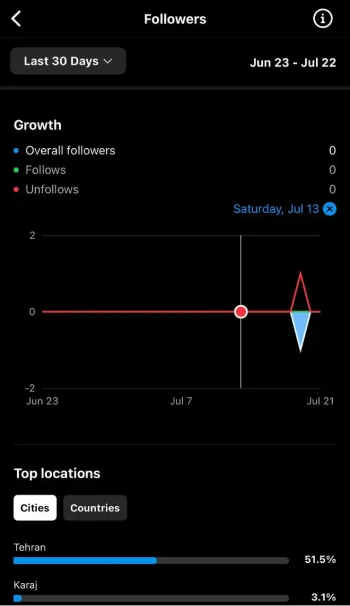
Selecting appropriate engagement actions for your calculation requires figuring out which particular types of interactions, on your selected platform(s), demonstrate significant engagement.
For example, you might include clicks, shares, likes, comments, and actions on Facebook; you could add saves to the same actions on Instagram. By choosing pertinent engagement activities, you can be sure that the interactions you measure represent true audience interest and involvement.
Step 2: Gather Your Data
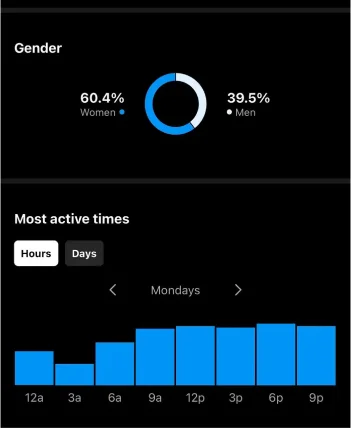
Using the analytics tools offered by your digital marketing or social media platforms can help you gather the required data. The number of likes, comments, shares, clicks, saves, and any other defined engagement actions throughout a given time frame are all included in this data. For consistency, make sure the data is correct and spans the same period of time on all platforms.
Step 3: Calculate Total Engagement
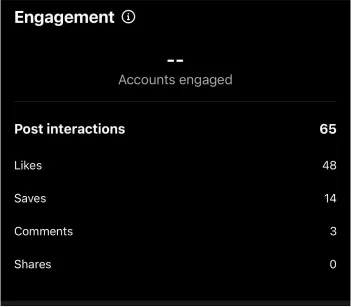
The total number of interactions you identified in Step 1 is what you get when you add together all engagement actions for the specified period. All likes, comments, shares, saves, and other pertinent actions made within the selected time period are included in this total. This stage gives you a thorough understanding of the level of engagement your audience is having with your content.
Step 4: Calculate Reach or Impressions
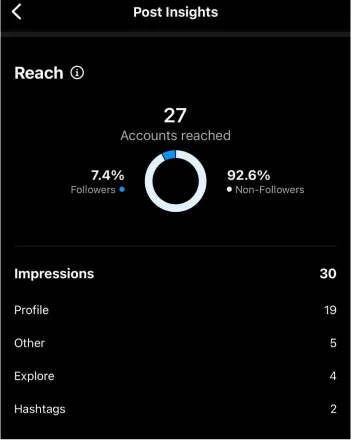
Measuring your reach or impressions is one way to find out how many people could have seen your content. While impressions track the total number of times your content is displayed, regardless of whether it is clicked, reach refers to the distinct number of users who have viewed your content. Usually, the analytics tools on your platform provide access to this data.
Step 5: Calculate Engagement Rate
What is the formula for calculating engagement rate? The engagement rate percentage can be computed by dividing the total number of engagement activities by the total number of reach or impressions, and then multiplying the result by 100. It is worth mentioning that different formulas are commonly used depending on the context and availability of data (followers/views or reach/impressions). The formula is:

You can evaluate the success of your content and engagement initiatives by looking at this percentage, which shows you the segment of your audience that interacts with your content regularly.
What is a Good Engagement Rate?

A good engagement rate varies according to the sector, platform, and content goals. However, the following generic benchmarks can serve as a guide:
A decent Instagram engagement rate falls between one and three percent, which denotes mediocre performance. A high level of audience connection and content effectiveness can be seen in an engagement rate of 3-6%. Over 6% is a great engagement rate, indicating great interaction and content that resonates deeply.
Three to four percent is a decent engagement rate on YouTube; four to six percent is a very good rate, and more than six percent is an excellent rate, indicating strong audience interaction and significant content impact.
How to Improve Engagement Rates

You can attempt to obtain and maintain a good engagement rate for your particular context by benchmarking against the following averages and continuously improving your strategy.
- Understand Your Audience: Tailor your content to the interests and needs of your audience.
- High-Quality Content: Create visually appealing, informative, and entertaining content.
- Consistent Posting: Maintain a consistent posting schedule to keep your audience engaged.
- Engage Back: Respond to comments and messages, and engage with your audience to build a community.
- Use Analytics: Review analytics to understand what works and adjust your strategy accordingly.
Using the Free Tools
The fact that Instagram engagement rate calculators don’t always make their calculation parameters clear is one of its drawbacks. Some of them obviously use every one of your posts, while at least one considers only the past ten posts. Furthermore, while they all seem to prioritize likes and comments, it’s not always clear if they also take other forms of interaction into account.
These calculators can be useful tools for strategy, competitor research, and influencer marketing despite these drawbacks. You can calculate your engagement rate without having to perform tedious calculations using the free calculator below.
HypeAuditor

With the free audit tool HypeAuditor, you can assess the audience quality and level of engagement on any social media platform. It’s specifically used to calculate the engagement rate on Instagram, showing how your performance compares to other users.

Some other useful social media engagement rate calculators are GRIN, Phlanx, and NinjaOutreach. With Grin, you can calculate an engagement rate for Instagram, YouTube, and TikTok accounts. By revealing the number of likes and comments, on average, Phalanx is strongly suggesting that these are the types of interactions that they’re counting for engagement rate. NinjaOutreach tells your follower count, the number of likes on average, the engagement rate, and estimated earnings per post.
Final Thoughts
In 2025, figuring out how to calculate engagement rates is still crucial to your success on social media. Businesses can evaluate the efficacy of their content and its resonance with their audience by comprehending and applying this metric. High engagement rates show active participation in the content rather than just watching it, and this can improve brand awareness, boost consumer loyalty, and create more successful marketing campaigns.
With the use of the free tools offered and the procedures described in this guide, marketers can effectively measure and improve their engagement rates. Continuous analysis and customization guarantee that content strategies stay in line with audience preferences, promoting closer relationships with followers and continued improvement.
Incorporate calculations of engagement rates into your routine social media audits, and utilize the gathered information to improve your content strategy. By doing so, you will create a community of devoted and engaged followers who are excited to communicate with your brand, thereby maintaining audience engagement.
FAQs
Here are some of the Frequently Asked Questions about Calculating Engagement Rate:
How do you calculate the free engagement rate?
To calculate your engagement rate for free:
- Add up all interactions (likes, comments, shares, etc.) on a post.
- Divide the total interactions by the total number of followers.
- Multiply the result by 100 to get a percentage.
How do you calculate the reach engagement rate?
The formula for calculating reach engagement rate is: Reach Engagement Rate = (Total Interactions / Total Reach) × 100
Here, “Reach” refers to the number of unique users who saw the post, not the total followers.
How do I find my average engagement rate?
To find your average engagement rate, calculate the engagement rate for multiple posts, add them together, and divide the total by the number of posts analyzed.
What is a good engagement rate?
A good engagement rate varies by platform: Instagram averages 1%–5% (5%+ is excellent), Facebook averages 1%–2%, and TikTok ranges from 4%–18%, emphasizing quality over quantity.

Emi Daniel
Buy an Established Instagram Account
Skip starting from zero. Browse Instagram/TikTok accounts with audiences across many niches.
See Available AccountsRelated articles
-
Instagram Hashtags That Actually Work in 2025: Strategy, Research & Reels
Instagram posts with hashtags see 70% higher engagement rates and 12.6% more reach than those without. Yet most Instagram users struggle with hashtag strategy in its complex…
25 min readEmi Daniel
-
Top 30 Black Instagram Models to Follow in 2025
Black models are among the most followed in the industry on Instagram. A great example is “Naomi Campbell,” who has over 15 million followers. The main reason…
22 min read -

Good Times to Post on IG: Maximize Engagement and Reach in 2025
Your Instagram posts are getting lost in the noise. Since 2020, engagement rates have dropped by 30% across the platform. This means timing your posts has never…
27 min read