


Did you know that over 90% of Instagram users follow at least one business? Is your business among them?
If you’re not sure, it’s time for an Instagram audit!
What would you do if you didn’t feel well? You’d probably go for a checkup! To better understand what an Instagram audit is, think of an audit as a health check for your social presence!
Buy an Established Instagram Account
Skip starting from zero. Browse Instagram/TikTok accounts with audiences across many niches.
See Available AccountsIt helps you detect what’s working and what’s not and identify your biggest opportunities to grow your account. (It’s like a diagnosis process.)
If you want to know more about this amazing method, you are in the right place! Here, we’ll walk through how to evaluate your Instagram account, from profile to analytics and more!
What Is an Instagram Audit?

An Instagram audit evaluates your account’s performance, content strategy, and alignment with business objectives.
It involves analyzing everything from your profile presentation to post engagement metrics to uncover opportunities for improvement.
Unlike casual account check-ins, a proper audit follows a structured process to identify specific strengths and weaknesses.
This methodical approach helps you make changes that speed up your growing process.
5 Key Benefits of Regular Instagram Profile Assessments

- Performance clarity: Gain concrete insights into what content resonates most with your audience
- Resource optimization: Identify where to focus your time and budget for maximum ROI
- Competitive advantage: Spot gaps in your strategy compared to industry competitors
- Algorithm alignment: Adjust your approach to work with Instagram’s ever-changing algorithm
- Growth acceleration: Remove roadblocks preventing account growth and engagement
Performing regular audits helps you stay ahead of your competitors. Rather than waiting for a crisis or engagement drop, proactive assessments keep your strategy sharp.
How to Conduct a Successful Instagram Audit (A Step-by-Step Guide)

Setting Clear Goals for Your Instagram Audit Process
Want to set specific goals for your Instagram audit process? Then, define success for your Instagram presence. Start with asking questions like: “Do I want more brand awareness?” “Am I looking for community building?” or “Do I want more direct conversations with my customers?”
Note that your goals should align with these priorities.
Common audit goals include:
- Improving engagement rates by identifying content that resonates
- Increasing profile visits and website clicks
- Growing a more targeted follower base
- Enhancing content quality and brand consistency
- Optimizing posting cadence and timing
Document your specific objectives before beginning your audit. This will create accountability and ensure you’re measuring what truly matters to your business.
Analyzing Your Instagram Profile and Bio Effectiveness

Your profile is your Instagram storefront—it creates crucial first impressions and guides visitor actions. Let’s examine how to audit this foundation of your presence.
Evaluating Your Profile Photo and Brand Consistency
Your profile photo is often the first visual element people notice. For businesses, consistency is key:
- Does your profile image clearly represent your brand (typically a logo or recognizable brand element)?
- Is it properly sized and clear when viewed at small dimensions?
- Does it match your visual identity across other social platforms?
Beyond the profile image, assess whether your overall profile effectively communicates your brand identity. A visitor should immediately understand who you are and what you offer.
Remember to review your Instagram highlights! Are they organized logically with branded covers that complement your visual identity? Because these elements should work together to create a cohesive first impression.
Tips to Optimize Your Bio for Maximum Conversion
With just 150 characters, your Instagram bio must efficiently communicate your value proposition and guide next steps.
Audit yours with these questions:
– Does it clearly explain what you do and who you serve?
– Does it include relevant keywords for discoverability?
– Have you used your brand voice and personality?
– Did you encourage profile visitors to check your account?
– Is there a clear call-to-action? (Something like this: “Check out the “RED” highlight.”)
“Your bio should work as a mini-landing page,” notes digital marketer Jamie Chen. “Every element should serve a purpose—either telling your brand story or driving a specific action.”
Try including emojis to break up text visually and experiment with line breaks to improve readability. Remember that your bio should evolve as your business goals change.
Assessing Your Instagram Links and CTA Performance
Your profile link is valuable real estate—audit its effectiveness with these considerations:
– Are you using a link-in-bio tool to provide multiple destination options?
– Do you regularly update links to reflect current campaigns or content?
– Are you tracking link clicks to measure effectiveness?
If using a multi-link tool like Linktree or Sked Link, examine which links receive the most clicks. This data reveals what your audience wants most from your brand.
For business accounts, also review your action buttons (Contact, Book Now, etc.). Are you utilizing these features to streamline customer interactions? When properly optimized, these small elements can significantly impact conversion rates.
Examining Your Content Strategy and Post Performance

Content is the heart of your Instagram presence. A thorough audit examines both quality and performance to identify what’s driving results.
Reviewing Content Themes and Visual Consistency
Scroll through your recent posts (aim for at least 30) and evaluate:
– Do your posts reflect consistent visual themes that align with your brand?
– Is there a cohesive color palette, editing style, or composition approach?
– Do your captions maintain a consistent voice and tone?
– Are you creating different content types (educational, promotional, entertaining, etc.)?
The Instagram grid view provides a powerful visual representation of your content strategy. Look for patterns that might not be apparent when viewing individual posts. The most effective accounts maintain visual consistency while providing content variety.
Analyzing Your Top and Lowest Performing Posts
Instagram Insights offers valuable data to identify content performance patterns:
1. Sort your posts by engagement rate (not just total likes)
2. Identify your 10 highest and lowest performing posts
3. Look for commonalities among top performers (topics, visuals, posting times)
4. Similarly, analyze patterns among underperforming content
When evaluating performance, look beyond vanity metrics. A post with fewer likes but higher saves or shares often indicates more meaningful engagement. Consider creating a simple spreadsheet to track post attributes against performance metrics for deeper pattern identification.
“The goal isn’t just finding what performed well, but understanding why it resonated,” says social media consultant Rachel Woods. “Was it the visual, the caption style, the topic, or something else entirely?”
Evaluating Posting Frequency and Optimal Timing
Timing and consistency significantly impact content performance. Audit your posting patterns by examining:
– Your average posting frequency (daily, weekly, etc.)
– Consistency of your posting schedule
– Performance variations based on posting times
– Day-of-week performance patterns
Instagram Insights shows when your followers are most active. Compare this data against your posting schedule—are you publishing when your audience is online?
Also, examine content gaps—periods where you posted infrequently or not. Inconsistent posting can hurt algorithm performance and audience retention. Your audit should help establish an optimal cadence that balances engagement opportunity with your content creation capacity.
Evaluating Instagram Engagement Metrics That Matter
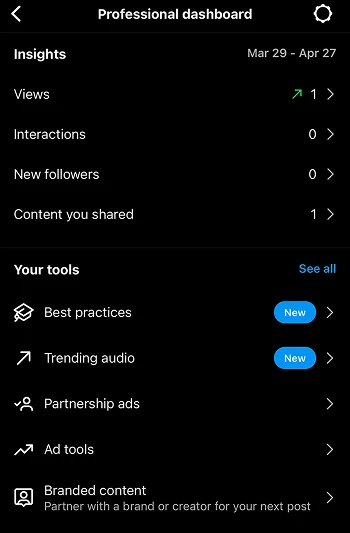
Not all engagement is created equal. Focus your audit on metrics that indicate meaningful audience connections.
Beyond Likes: Measuring Meaningful Audience Interactions
While likes provide quick feedback, deeper engagement metrics reveal more about content resonance:
– Saves: Indicates content your audience finds valuable enough to reference later
– Shares: Shows content they believe is worth spreading to their network
– Comments: Reveals how conversation-worthy your content is
– DM shares: Often overlooked, but shows strong content advocacy
To conduct this part of your audit, create a spreadsheet tracking these metrics across recent posts. Calculate your average engagement rate using this formula:
(Likes + Comments + Saves + Shares) ÷ Followers × 100
Compare this to industry benchmarks to understand where you stand. The average industry engagement rate is around 0.98%, which varies significantly by sector and account size.
Tracking Comment Quality and Follower Conversations
The quality of comments matters as much as quantity. Review recent post comments to evaluate:
– Comment depth (single words vs. thoughtful responses)
– Question frequency (are followers curious about your content?)
– Comment sentiment (positive, negative, neutral)
– Response rate (how consistently you reply to comments)
A healthy comment section shows genuine community interaction rather than generic responses. Note posts that generate meaningful conversations—they offer clues to content that truly resonates.
It is better to audit your own commenting behavior. Are you fostering community by responding promptly and thoughtfully? Instagram’s algorithm rewards posts with active comment sections, making this engagement particularly valuable.
Analyzing Story Views and Engagement Patterns
Stories require separate analysis in your audit due to their different format and metrics:
– Track completion rate (viewers who watch your entire story sequence)
– Note drop-off points where viewers stop watching
– Review interactive feature performance (polls, questions, sliders)
– Analyze direct responses to stories
Look for patterns in story content that maintain viewer attention versus content that experiences high drop-off. Interactive elements typically boost engagement, but verify this in your account data.
“Stories give us much more nuanced engagement data than feed posts,” social strategist Alex Moreno explains. “The ability to see where viewers lose interest helps refine content approach in ways feed metrics can’t.”
Assessing Your Instagram Audience and Growth Trends
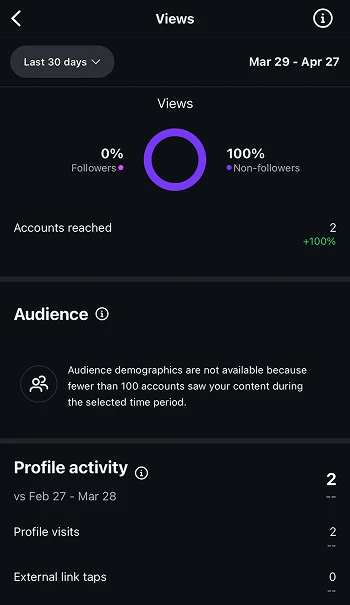
Using Instagram Insights to Understand Your Followers
Instagram provides valuable audience data through Insights.
Audit these elements:
– Age and gender distribution
– Geographic location (countries and cities)
– Most active times and days
– Growth trends over time
For business accounts, examine the “Accounts Reached” section to see if you connect with non-followers, indicating discovery potential. Note any significant discrepancies between your follower demographics and the accounts you’re reaching.
Identifying Audience Demographics and Behavior Patterns
Beyond basic demographics, look for behavioral patterns:
– Which content types drive the most profile visits?
– What topics generate the highest saves or shares?
– Are certain product categories or services generating more interest?
– Do audience segments engage differently with various content types?
Look for correlations between content themes and engagement from specific audience segments.
“Understanding not just who your audience is but how different segments interact with your content is game-changing,” says digital strategist Maya Johnson. “It transforms generic content plans into precision-targeted strategies.”
Evaluating Follower Growth Rate and Retention Issues
Examine your follower count trends over the past 3-6 months:
– Is growth steady, accelerating, or declining?
– Are there specific periods of unusual growth or loss?
– How do content changes correlate with follower fluctuations?
Rapid follower losses often indicate content misalignment, inconsistent posting, or changes in content quality. Conversely, growth spikes can reveal successful content approaches worth expanding.
Remember to review your profile visit-to-follow conversion rate. If you’re getting profile visits but few new followers, your profile may not effectively communicate your value proposition. To fix this issue, listen to me and consider changing your highlights, bio, or recent content!
Reviewing Instagram Hashtag Strategy and Reach Metrics

Hashtags remain vital for discovery, but require strategic implementation and regular review.
Analyzing Hashtag Performance and Reach Effectiveness
Instagram Insights shows how many impressions came from hashtags.
To audit your strategy:
- Track hashtag-driven impressions across 15-20 recent posts
- Note which hashtag combinations delivered the highest reach
- Identify posts where hashtag performance was particularly strong or weak
- Look for correlations between hashtag groups and engagement metrics
Compare the percentage of your impressions from hashtags versus other sources (home, profile, explore). If hashtag-driven discovery is consistently low, your strategy likely needs an overhaul.
Creating a More Strategic Hashtag Framework
Based on your performance analysis, develop a more refined approach:
- Create category-specific hashtag groups tailored to different content themes
- Balance hashtag sizes (small, medium, and large by post volume)
- Research competitor and industry hashtags not currently in your rotation
- Identify branded hashtags that could strengthen community building
Aim for a strategic mix that includes:
- Brand-specific hashtags (your company name, campaign names, slogans)
- Community hashtags (industry-specific terms your audience uses)
- Content descriptive hashtags (describing the specific post content)
- Location-based hashtags (if geographically relevant)
This framework creates more intentional hashtag usage based on actual performance data rather than repetitive sets.
Tools for Tracking Instagram Hashtag Performance
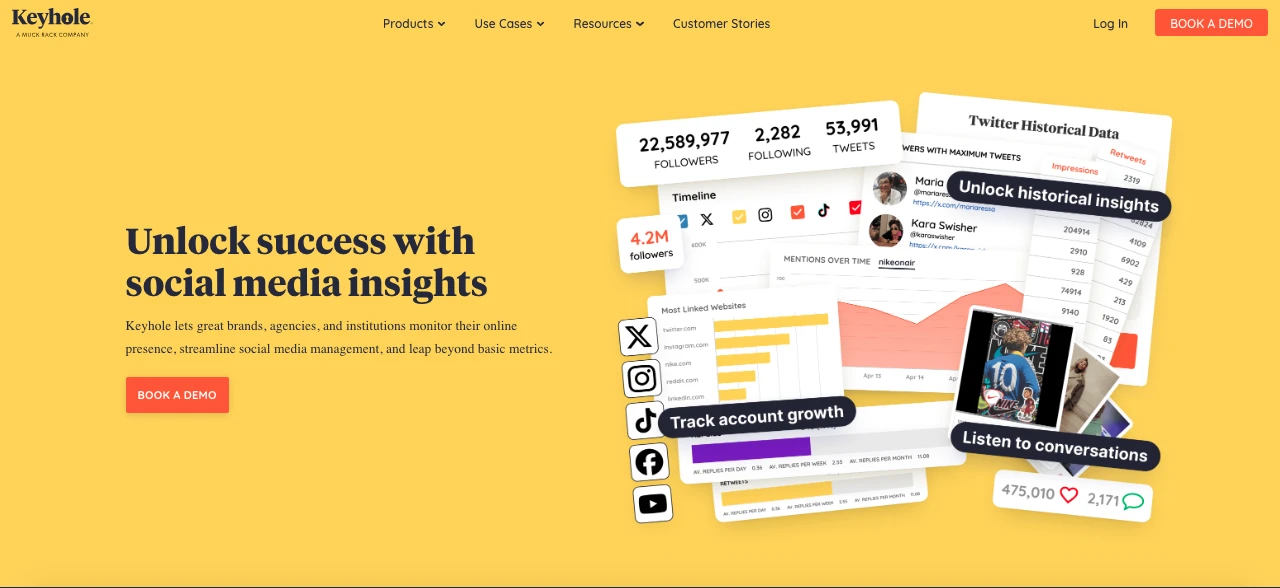
Several tools can enhance your hashtag audit and ongoing optimization:
- Sprout Social: Provides hashtag performance data and competitor hashtag analysis
- Flick: Offers hashtag analytics and suggestion features based on performance
- Later: Includes hashtag analytics and recommendation tools
- Keyhole: Tracks hashtag performance across platforms, including Instagram
These tools help identify trending hashtags in your niche and provide more granular performance metrics than Instagram’s native analytics. Even a free trial period with these tools during your audit can yield valuable hashtag insights.
Examining Competitor Instagram Profiles for Strategic Insights
Understanding how you compare to competitors reveals opportunities and threats in your Instagram strategy.
How to Identify Your Instagram Competitors
Your Instagram competitors aren’t always your business competitors. To identify the most relevant accounts for comparison:
- List brands targeting a similar audience (regardless of product/service overlap)
- Search industry hashtags to find accounts with strong engagement
- Review which accounts your followers also engage with (audience overlap)
- Consider both direct competitors and aspiration brands in adjacent spaces
Aim to identify 5-7 accounts for meaningful comparison. Include a mix of larger and similarly-sized accounts to provide realistic benchmarks and aspirational targets.
“Your most important Instagram competitors are those competing for the same audience attention, not necessarily the same customer dollars,” explains brand strategist Olivia Chen. “This distinction is crucial for effective competitive analysis.”
Benchmarking Content Strategy Against Industry Leaders
Analyze competitor content approaches by examining:
- Content themes and balance (product, lifestyle, educational, etc.)
- Visual aesthetics and brand consistency
- Posting frequency and timing patterns
- Caption length and style
- Use of video vs. static content
- Implementation of new Instagram features
Create a simple scorecard comparing these elements across competitors. This visual representation helps identify competitive advantages and content gaps in your own strategy.
Pay particular attention to how competitors balance promotional and value-based content. Most successful accounts maintain a ratio favoring value-driven content over direct promotion, often 80/20 or 70/30.
Learning from Competitor Engagement Tactics
Beyond content, examine how competitors foster community:
- Response tactics to comments and messages
- User-generated content incorporation
- Collaboration and partnership approaches
- Contest and engagement techniques
- Community-building features (branded hashtags, sharing customer content)
Note which competitor accounts achieve the highest engagement rates relative to their follower count. These accounts often offer the most valuable tactical insights regardless of their size.
Tips to Create Your Instagram Improvement Action Plan

The final and most crucial step transforms insights into concrete actions.
Prioritizing Quick Wins from Your Instagram Audit
Identify improvements you can implement immediately (within 1-2 weeks):
– Profile optimization changes (bio updates, link adjustments)
– Hashtag strategy refinements
– Engagement process improvements (comment response protocols)
– Content adjustments based on top-performing posts
– Visual consistency enhancements
Create a checklist of these quick wins and assign clear ownership and deadlines. These rapid improvements build momentum for more substantial strategy changes.
“Quick wins create immediate positive reinforcement for your team,” says social media director Sarah Johnson. “They prove the audit’s value while you work on longer-term strategic shifts.”
Developing a 30-Day Instagram Enhancement Strategy
With quick wins underway, create a more substantial 30-day plan addressing:
1. Content calendar adjustments based on audit findings
2. New content types to test based on competitive analysis
3. Audience growth tactics targeting identified demographic gaps
4. Community-building initiatives to improve engagement quality
5. Resource allocation changes to support strategy adjustments
This plan should include specific tasks, owners, and deadlines. To maintain momentum and accountability, break larger initiatives into weekly milestones.
Be realistic about resource constraints. Prioritize changes that offer the highest potential impact relative to the required effort. Document your plan in a shared workspace where all stakeholders can track progress.
Setting Measurable Goals for Your Refreshed Strategy
Finally, establish clear KPIs to measure your revised strategy’s effectiveness:
– Growth targets (follower count, growth rate)
– Engagement metrics (average engagement rate, comment quantity/quality)
– Reach objectives (account impressions, hashtag effectiveness)
– Conversion goals (profile visits, website clicks, action button usage)
– Content performance benchmarks (by content type and theme)
Set both 30-day and 90-day targets for these metrics. This creates both immediate accountability and longer-term strategic direction.
“Measurable goals transform audits from interesting analyses into business-driving tools,” notes digital strategist Marcus Williams. “They connect social efforts directly to business outcomes.”
Using Advanced Instagram Audit Tools and Resources
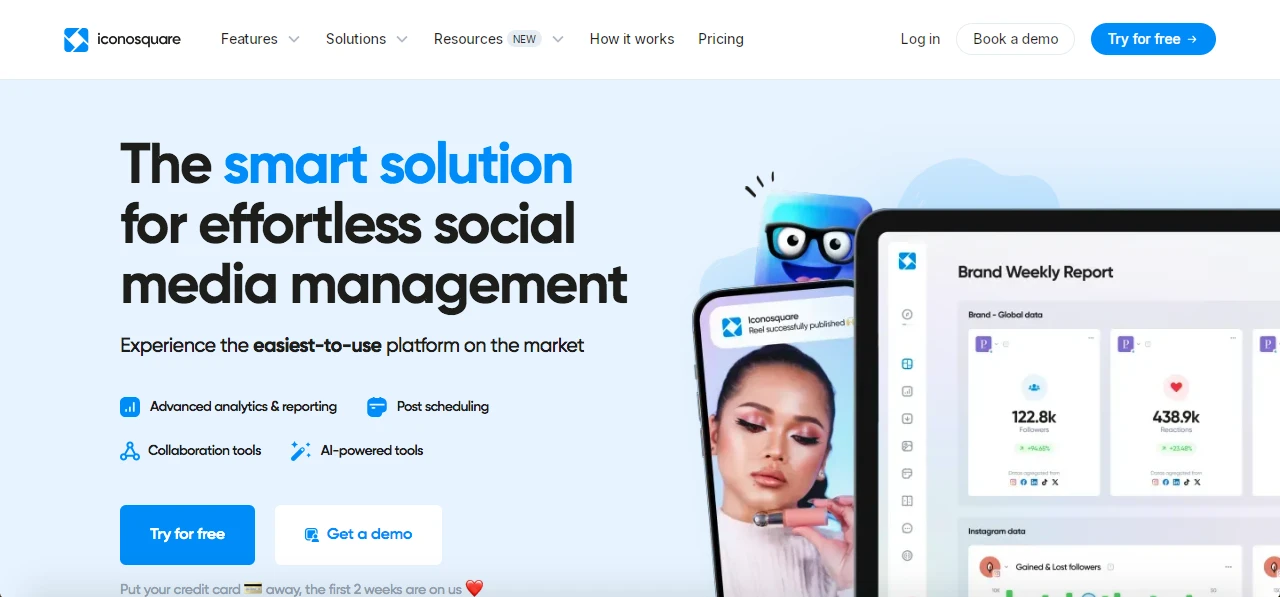
The right tools can significantly enhance your audit process and ongoing optimization.
7 Essential Tools for Comprehensive Instagram Analysis
- Sprout Social: Provides in-depth analytics, competitive benchmarking, and content performance data
- Later: Offers visual content planning alongside performance metrics
- Iconosquare: Features competitor analysis and detailed engagement statistics
- Hootsuite: Includes social listening tools to track brand mentions
- Meltwater: Provides sentiment analysis and advanced competitive intelligence
- Brandwatch: Offers in-depth audience analysis and trend identification
- Dash Hudson: Specializes in visual content performance prediction and analysis
While Instagram’s native Insights provide basic metrics, these tools offer deeper analysis capabilities that reveal patterns and opportunities that might otherwise remain hidden.
When to Consider Professional Instagram Audit Services

While internal audits are valuable, consider professional assistance when:
- You’ve experienced prolonged engagement or growth plateaus
- You’re preparing for major campaigns or product launches
- Your team lacks specialized Instagram expertise
- You need an objective assessment of your strategy
- You’re undergoing significant brand repositioning
Professional audits typically cost between $500 and $2,500, depending on account complexity and deliverable depth. The best services provide not just analysis but detailed implementation roadmaps.
How Often Should You Conduct Instagram Audits?

Establish a regular audit schedule based on your posting volume and business cycle:
- Comprehensive audits: Quarterly for most businesses
- Quick-check audits: Monthly to identify emerging issues
- Metric reviews: Weekly to maintain performance awareness
Growing accounts or those implementing significant strategy changes should be audited more frequently—potentially monthly—for comprehensive reviews until performance stabilizes.
Create a simple audit calendar tied to your marketing planning cycles. This will ensure that insights from each audit inform upcoming content and campaign planning.
How to Boost Your Social Marketing with an Instagram Audit?

An Instagram audit is like a health check for your Instagram account! It helps you evaluate how well your content, engagement, and strategy are working.
A comprehensive audit of your Instagram account is the best way to optimize your Instagram performance, especially if you’re preparing to buy an Instagram account or take over an existing profile.”
- Prepare a list of business goals you want to achieve
- An Instagram audit checklist of items to assess
- A well-defined plan for tracking results
- The right tools to help you conduct the audit and measure its impact
Make sure to have them all and you will thank me later!
Conclusion
If you are wondering why you would conduct an Instagram audit, I only tell you this: A thorough Instagram audit provides the strategic foundation for social media success. Are you convinced now?
Remember that audits are not one-time events but ongoing processes! So, stay consistent to be among the most successful brands on the platform!
Now it’s your turn! Set aside time this week to begin your Instagram audit using the framework we’ve outlined. Your future engagement metrics will thank you.
FAQs
Why should I conduct an Instagram audit?
Good question! It helps optimize your content strategy, improve engagement, and ensure you’re reaching your target audience.
Can an Instagram audit help grow my followers?
Yes! By identifying what works and what doesn’t, an audit allows you to adjust your strategy, which can lead to more engaging content and, over time, an increase in followers.
What key elements should I review in an Instagram audit?
Focus on your profile details, content performance, engagement metrics, follower demographics, and hashtag usage.
How much does an Instagram audit cost?
It can range from $50 to over $2500.
What does the 80/20 rule in social media marketing suggest?
It suggests that 80% of your content should educate or entertain your audience, and only 20% should directly promote your products.

Emi Daniel
Buy an Established Instagram Account
Skip starting from zero. Browse Instagram/TikTok accounts with audiences across many niches.
See Available AccountsRelated articles
-
Instagram Hashtags That Actually Work in 2025: Strategy, Research & Reels
Instagram posts with hashtags see 70% higher engagement rates and 12.6% more reach than those without. Yet most Instagram users struggle with hashtag strategy in its complex…
25 min readEmi Daniel
-
Top 30 Black Instagram Models to Follow in 2025
Black models are among the most followed in the industry on Instagram. A great example is “Naomi Campbell,” who has over 15 million followers. The main reason…
22 min read -
Good Times to Post on IG: Maximize Engagement and Reach in 2025
Your Instagram posts are getting lost in the noise. Since 2020, engagement rates have dropped by 30% across the platform. This means timing your posts has never…
27 min read