

The $276.7 billion social media advertising market is undergoing a massive transformation. Experts predict it will continue growing rapidly over the next few years, and AI is revolutionizing social media marketing in ways we’ve never seen before.
Because Artificial Intelligence (AI) is making this change in ways we’ve never seen before!
2026 has been a lucky year for marketers so far, and 88% of them are now using AI tools for their social media strategies.
Buy an Established Instagram Account
Skip starting from zero. Browse Instagram/TikTok accounts with audiences across many niches.
See Available AccountsThe changes happening right now are revolutionary; AI is not just helping marketers work faster; it’s completely changing how we think about social media marketing.
The impact goes beyond just marketing efficiency, as AI is transforming how people interact with brands on social media. Chatbots have conversations that feel human, and content recommendations become incredibly accurate.
Let’s waste no more time and see how AI is transforming social media marketing in 2026. You will find your answer to all questions in your mind about AI and marketing.
What Is AI in Social Media Marketing?
AI in social media marketing refers to using artificial intelligence tools and algorithms to analyze data, automate tasks, and optimize content strategies across platforms like Instagram, TikTok, Facebook, and X (Twitter).
Instead of relying solely on manual research or guesswork, AI helps businesses and creators to understand audience behavior, predict trends, and create more personalized posts at scale.
In short, AI empowers brands to make data-backed, real-time marketing decisions, saving time, improving ROI, and strengthening audience connections.
Why AI Matters in Social Media Marketing in 2026

With billions of people active on platforms every day, competition for attention is higher than ever.
Traditional approaches alone can no longer keep up with the pace and personalization that users now expect; this is where AI steps in.
That’s where AI comes in; it helps marketers move beyond guesswork. Machine learning can identify the right audience in seconds, while natural language tools analyze tone and context to suggest content that resonates. Isn’t it a huge benefit?
Marketers can see which photos and videos are most likely to grab attention, and they can get a sense of how a campaign will perform before it goes live.
AI is also useful for regular users, as the experience gets better because the content feels more tailored and relevant to them.
How AI Is Shaping the Social Media Marketing Landscape in 2026
The global market for AI in this space is projected to reach around $11.1 billion, up from $8.8 billion in 2024; an impressive leap in just a year.
Here’s what the shift looks like in practice:
- For users: AI now curates roughly 80% of content recommendations and generates a large share of visuals appearing in feeds, fundamentally changing how people discover and engage with content.
- For social media behavior: Over 5.4 billion people, about 67% of the world’s population, are active on social platforms, spending an average of 2 hours and 24 minutes daily across multiple apps.
- For businesses: Brands adopting AI report a 15–25% increase in engagement with AI-generated content. Around 60% say AI reduces manual workload, while nearly 40% note improved efficiency.
In just two years, AI has become an integral part of social workflows, helping brands produce smarter, faster, and more personalized campaigns.
15 Ways AI Is Transforming Social Media Marketing in 2026
From creating content to analyzing audience behavior, AI is reshaping every part of social media marketing; here are 15 ways it’s making a real impact in 2026.
Automated Content Generation
AI has changed how brands create content in 2026. Smart language tools can write posts that sound like a human, perfectly matching a brand’s style.
AI also generates high-quality images and videos, letting businesses produce visuals at scale without extra staff. If you haven’t used this ability of AI, I recommend trying it ASAP.
These systems can adapt content in real time, keeping it fresh and relevant as trends change.
Personalized Content Curation
AI now makes social media feeds feel personal for every user. If you still don’t agree, check out your Instagram Explore page once more!
People see posts that match their interests and habits, updated as trends shift. It’s because of the algorithm system of each platform, which is based on AI.
It also helps choose the right hashtags and predicts what content will get the most attention. Tools can even adjust posts for different platforms automatically.
Netflix, for example, tests multiple thumbnails for the same post and sees around 30% more clicks than using just one.
Content Performance Optimization
Have you realized that AI has changed how brands improve their social media content?
Tools can run multiple tests at once to see which posts perform best, much faster than traditional methods. Sentiment analysis helps adjust tone based on audience reactions, while smart timing tools ensure posts reach people when they are most active.
AI also keeps track of content over time, suggesting updates or changes to keep posts relevant and effective.
Behavioral Pattern Recognition
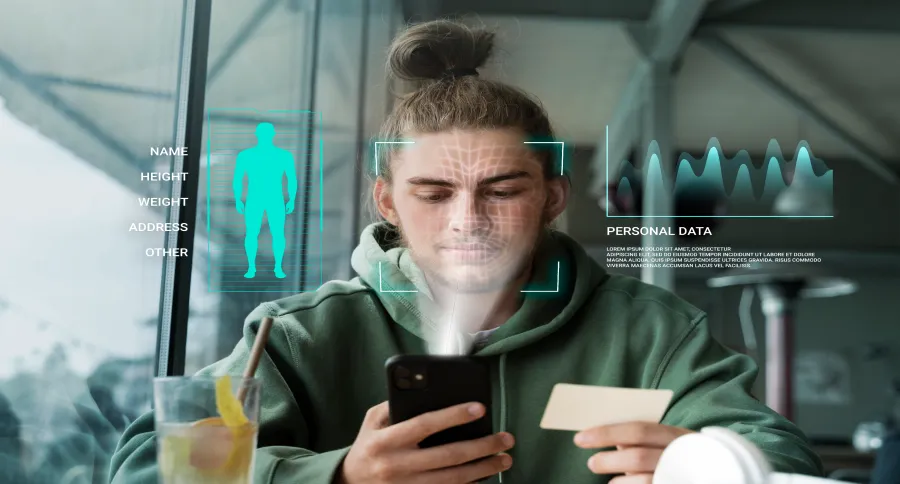
Did you know that AI helps brands understand users on a much deeper level than traditional demographics?
By analyzing thousands of interactions, it can uncover what people like and how they behave online; still, through an algorithm system based on AI.
Predictive tools help brands see which users are most likely to stick around as loyal customers. By looking at behavior across different platforms, they can get a full picture of what each audience wants.
It gets even more interesting in today’s privacy-conscious world, as AI can still deliver personalized experiences using safe, aggregated data without compromising user trust.
AI tools make it easier to understand audience sentiment and trends, and pairing them with the right social listening platforms can give a competitive edge; check out our list of top social listening tools in 2026.
Dynamic Audience Segmentation
AI helps brands reach the right people more effectively than before. It can spot patterns in how users behave and group similar audiences automatically, updating these groups as habits change.
Tools that find new customers who resemble existing ones make it easier to expand reach, while micro-targeting helps brands connect with very specific interests.
A great example would be Airbnb; It uses AI to identify users likely to book stays in certain locations, which has led to about a 40% increase in bookings.
Protecting Against Algorithmic Bias
Unlike what most people think, AI is helping make social media more fair and transparent. Tools can spot if certain groups or viewpoints are being unfairly promoted or hidden, giving brands and users more clarity about how content is chosen.
Some systems mix in diverse content to prevent users from getting stuck in “filter bubbles,” showing posts outside their usual interests at the right frequency.
However, you can still manage what you want to see, as platforms let users see what interests them and understand why certain recommendations appear in their feeds.
Customer Service Revolution
Social media customer support has changed a lot with AI, and we have all been surprised by how professional and friendly these chatbots communicating with us.
Chatbots can answer common questions right away, using customer details and order history to give correct replies. They can even adjust how they respond, offering empathy if someone seems frustrated or keeping it light and friendly for happier users.
When issues are more complicated, the system passes the conversation to a human agent with all the context, so customers don’t have to repeat themselves.
Sales and Lead Generation
Do you find it difficult to be available all the time to help your customers? Your solution is using relevant AI tools.
Chatbots guide users through the buying process without leaving the platform, showing products, answering questions, and even processing orders directly in messaging apps.
AI also helps identify potential customers by analyzing conversations to gauge interest in buying, then passing qualified leads to sales teams with all the context they need.
Sephora’s AI beauty advisor on Instagram is a great example; it assists users in finding products, giving application tips, and offering tailored suggestions.
Campaign Performance Forecasting
AI is giving brands a clearer picture of how their campaigns might perform. How? By looking at past results, audience habits, and market trends, these tools can forecast outcomes with surprising accuracy.
They also help move advertising budgets around in real time, focusing spend where it will have the most impact. My advice is to use such tools if you are on a low budget for marketing.
Seasonal trends are easier to anticipate, which makes timing campaigns and planning inventory much smoother.
Real-Time Analytics and Adjustments
Good news for business owners: Brands no longer have to wait weeks to see if a campaign works. Because they can watch the results right away.
For example, if a post isn’t getting attention, adjustments can be made to who sees it or when it’s shown. Bidding for ads is smarter, too; money goes where it’s most likely to make an impact.
Before anything is posted, predictions can hint at how well it might do, giving marketers a chance to change wording or visuals. Tracking across platforms shows which actions lead to clicks or purchases, helping teams focus on what matters.
Competitive Intelligence and Market Analysis
Tools can track what other companies are posting, how audiences are responding, and which campaigns are working; this helps teams borrow successful ideas and adapt them to their own strategies.
At the same time, trends in social conversations, searches, and behavior give clues about great opportunities before rivals notice.
Some systems even spot emerging markets, showing where interest in certain products or services is growing, so companies can act first.
For example, McDonald’s uses AI to watch competitor promotions and tweak their offers in real time, helping them grow market share in targeted areas.
Brand Reputation Management
Tools now display the most important mentions, sorted by influence, sentiment, and probable impact, so that teams know what to address first.
Brands can also spot key supporters and influential voices by analyzing networks and engagement patterns, helping them focus on relationships that matter most.
AI can even catch false information before it spreads widely. As soon as rumors or made-up stories start spreading, marketing teams receive a notification so that they can respond in real time and spread accurate information.
Emerging Platform Opportunities
Platforms like Discord and BeReal are giving brands fresh ways to reach people. On these apps, tools help keep communities safe and make sure content is genuine, which allows brands to connect more naturally.
Shopping on social media is getting easier (Such good news for people addicted to shop online!). Recommendations now feel personal because they’re based on what people like, letting users browse and buy without leaving the app.
Voice-based platforms such as Clubhouse are showing people conversations and groups they might enjoy. By paying attention to what’s being discussed, these platforms help users discover their favorite topics.
Market Research and Consumer Insights
Brands can now keep a closer eye on what customers want in real time. By looking at social conversations, they can spot shifts in preferences and adjust products or messaging quickly.
Listening to these conversations also helps reveal gaps in the market. Common complaints, feature requests, or usage patterns give ideas for product improvements and new developments.
Nike offers a good example: The company listens to social conversations around product launches to gauge reactions. This approach has helped new products fit the market about 35% better.
Measuring Success and Optimization
Tracking how well AI-driven campaigns work isn’t just about likes and shares anymore. Brands are paying attention to things like how much time is saved, whether predictions match reality, and how costs change; these give a clearer sense of what AI contributes.
Traditional ways of figuring out which content works best don’t always capture AI’s role. New methods look at how AI affects writing, scheduling, and distribution, giving a more accurate picture.
AI also learns over time; it watches what worked and what didn’t and helps marketers make smarter choices next time.
Benefits of Using AI in Social Media Marketing
Brands that use AI make a huge leap, not just in terms of effectiveness, but also in how they learn and engage with their audience.
The benefits far surpass time efficiency and can impact every step of a marketing campaign.
Some of the most notable advantages include:
- Enhanced Personalization: AI allows brands to deliver content tailored to individual user preferences, increasing engagement and loyalty.
- Improved Decision-Making: By analyzing massive amounts of data, AI provides actionable insights that guide strategy and campaign adjustments.
- Time Efficiency: Routine tasks like scheduling posts, curating content, and monitoring engagement are handled automatically, freeing teams to focus on creative and strategic work.
- Predictive Insights: AI can forecast which campaigns are likely to perform well, helping marketers allocate budgets and resources more effectively.
- Better Audience Understanding: By analyzing behavior patterns, AI uncovers deeper insights into audience interests, habits, and needs, allowing for smarter targeting and messaging.
Overall, using AI in social media marketing does not just rationalize operations; it transforms how brands interact with audiences, providing smarter, faster, and more efficient marketing.
Top AI Tools Transforming Social Media Marketing
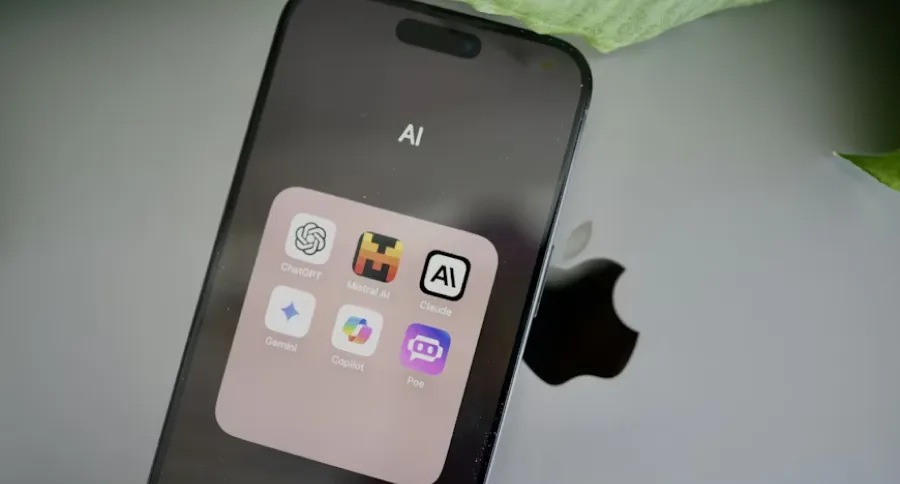
Today, brands have access to AI tools that make it easier to create content, manage campaigns, and understand their audience.
Some of the most powerful and popular AI tools in 2026 include:
ChatGPT and GPT-5
These tools make writing social media posts, captions, and ads effortless. They match a brand’s voice and style, saving marketers hours of drafting and editing.
DALL-E 3 and MidJourney
Creating visuals is no longer a bottleneck. These platforms generate high-quality images, illustrations, and graphics that are ready to use for social media campaigns.
Synthesia and Runway ML
Producing video content at scale is simpler than ever. Brands can create engaging clips, including personalized videos for different audience groups, without hiring a full production team.
Meta Vibes
Meta’s AI-powered short-form video feed lets brands create, remix, and share AI-generated videos with music and visuals, perfect for Instagram and Facebook reels.
Amazon AI Video Generator
Quickly generate polished video ads in under five minutes, complete with realistic motion, scenes, text overlays, and branding options.
Quickplay AI Studio
Automatically converts long-form video content into short-form social clips, identifying key moments to save time and boost engagement.
ShopMy AI Circles
Personalizes product and influencer recommendations based on audience interests, turning social engagement into actionable shopping opportunities.
Lately.ai
Simplifies content planning by analyzing past performance, predicting what posts will perform best, and optimizing scheduling and messaging for maximum reach and impact.
Using these AI tools, brands in 2026 can produce more compelling content, engage audiences more effectively, and respond faster to trends, giving them a significant competitive advantage in social media marketing.
Best Free AI Tools to Boost Your Social Media Strategy
AI for social media marketing doesn’t have to come with a premium price tag. Many of today’s best tools offer free plans or early-access tiers, making experimenting with AI both low-risk and high-reward. Here are some of the most accessible options for 2026:
- ChatGPT (Free plan)
Perfect for brainstorming captions, writing quick replies, or generating social content ideas. Ideal for solopreneurs and early-stage marketers looking to save time.
- Predis.ai
Offers free content generation for posts, carousels, and videos, helping small businesses maintain a consistent online presence.
- Copy.ai (Free version)
Let’s users generate a limited number of social posts per month for free. Perfect for testing AI-generated content before committing to paid plans.
- Flytask (Free early access)
Designed for small businesses and lean teams, Flytask includes AI post-generation, cross-platform scheduling, and basic analytics; all in one workspace.
- Flick AI Copilot
Assists in generating content ideas, writing captions, and suggesting hashtags, streamlining social media management.
- HubSpot AI Social Media Post Generator
Provides templated social media posts for quick deployment across multiple platforms. Helpful for marketers who want efficiency and consistency.
- FeedHive (Free plan)
Provides AI-driven content recycling and conditional posting to keep your social media presence dynamic and engaging.
Free tools are a great way to experiment with AI before scaling your strategy. Platforms like Flytask or Predis.ai allow your toolkit to grow with your audience, so you won’t outgrow them as your business expands.
Creating engaging posts is faster than ever with AI-powered tools; if you want a hands-on guide, see our article on generating Instagram posts using AI.
Tips and Strategies to Use AI in Social Media Marketing for Maximum Impact
AI can be a game-changer, but it only works well when it fits naturally into your overall marketing strategy and the way your team works.
Developing an AI-First Social Media Strategy
Before using AI, it’s important to understand where your organization stands. Start by taking a close look at your technology, team skills, and data quality to spot areas that need improvement.
Communicate clearly with your team, offer training, and provide support so everyone feels confident using AI.
Tool Selection and Integration
Choosing the right tools means more than picking popular software, so make sure each tool works well with your existing systems, can handle growth, and comes with reliable support.
Roll out AI gradually so your team can learn as they go, and track performance to ensure investments deliver results. Building a long-term relationship with vendors can help avoid disruptions and keep your strategy on track.
Aligning AI with Strategy
AI works best when it serves specific marketing goals; decide how each tool helps with engagement, content creation, or performance tracking.
Let AI handle repetitive tasks and insights, but keep humans in charge of creative and strategic decisions, as this approach keeps your campaigns efficient while maintaining a genuine, human touch.
While AI can enhance your strategy, it’s also important to maintain control over platform features; here’s how to turn off Meta AI on Instagram if needed.
How to Choose the Right AI Tools for Your Marketing Goals
Choosing the right AI tools for social media marketing doesn’t have to be overwhelming.
Keep these key points in mind:
- Define Your Goals: Identify whether you need AI tools for content creation, analytics, audience engagement, or campaign optimization.
- Assess Team Skills and Workflow: Pick tools that match your team’s technical ability and integrate smoothly with existing platforms.
- Consider Budget and Scalability: Start with free AI tools for social media marketing to test ideas, then scale to paid solutions as your campaigns grow.
- Look for Actionable Insights: Choose tools that provide data you can act on, helping improve creativity, efficiency, and decision-making.
- Test Before Committing: Many AI tools offer free trials, experiment first to ensure they align with your marketing goals and workflow.
How to Use AI in Social Media Management and Still Be Authentic?
Integrating AI into your social media strategy can enhance efficiency without compromising your brand’s authenticity.
Here’s how to strike that balance:
- Set clear guidelines for AI use: Define when and how AI should be used in your content creation process to ensure it aligns with your brand’s voice and values.
- Maintain human oversight and tone of voice: Always have a team member review AI-generated content to ensure it resonates with your audience and upholds your brand’s authenticity.
- Incorporate real experiences: You can mix AI-generated content with genuine behind-the-scenes moments, user-generated content, and personal stories to keep your posts relatable and human.
- Be real and transparent: If AI tools are used, consider informing your audience to build trust and demonstrate ethical practices.
- Monitor engagement: Regularly assess how your audience responds to AI-generated content and adjust your strategy accordingly to maintain a genuine connection.
Common Challenges You May Face Using AI in Social Media Marketing (With Easy Solutions)
Understanding possible obstacles and knowing how to address them can make the difference between a successful AI strategy and wasted effort.
Here’s a breakdown of the common issues and practical solutions.
Technical and Implementation Challenges
- Data Quality: Poor data can lead to inaccurate predictions and recommendations.
Solution: Invest in data cleaning and standardization before deploying AI tools.
- Platform API Limitations: Social media platforms frequently update APIs, which can disrupt AI functionality.
Solution: Choose AI tools that update automatically with platform changes and maintain strong vendor support.
- Cost Considerations: Advanced AI tools can be expensive, especially for small businesses.
Solution: Start with scalable or subscription-based AI tools, focus on high-impact features first, and track ROI to justify investment.
Ethical and Privacy Concerns
- Algorithmic Bias: AI may unintentionally favor certain audiences or content types.
Solution: Implement regular bias testing, adjust models when needed, and ensure diverse datasets are used for training.
- Transparency: Users deserve to understand how AI influences their experience.
Solution: Clearly communicate AI usage in recommendations and targeting, and provide users with options to adjust preferences.
- Ethical Data Usage: AI relies on user data, which must be used responsibly.
Solution: Establish clear policies for data collection and usage, and offer real value in exchange for user information.
Platform Dependencies and Market Risks
- Algorithm Updates: Social media changes can disrupt AI tool performance.
Solution: Maintain flexibility in strategy, monitor platform updates, and have contingency plans for rapid adjustments.
- Policy Changes: Platforms may restrict certain AI applications.
Solution: Stay informed of policy updates and diversify AI tools across multiple platforms to reduce risk.
- Balancing AI and Human Creativity: AI should enhance, not replace, human input.
Solution: Treat AI as a support tool that boosts efficiency and insights while letting humans guide tone, creativity, and strategic direction.
The Future of Social Media Marketing with AI
Brands are exploring the metaverse, creating interactive experiences, and delivering content that feels highly personalized.
Emerging technologies will accelerate this shift:
- AR and VR experiences let users virtually try products or interact with content in their own environment, as seen with tools like IKEA Place and Snapchat AR filters.
- Blockchain and smart contracts are being tested to improve campaign transparency and reduce risks like ad fraud.
- AI-powered analytics help brands process massive amounts of data to understand audience preferences and predict trends more accurately.
Beyond marketing, AI is shaping society by helping people spot misinformation, enhancing digital literacy, and creating new opportunities for content creators.
Conclusion
AI is no longer a futuristic concept; it’s the engine driving today’s social media marketing success. From creating personalized content to predicting campaign outcomes, AI tools are helping brands connect with audiences in ways that feel authentic, relevant, and timely.
The key takeaway? AI works best when it complements human creativity, enhances strategy, and is aligned with business goals.
By integrating AI thoughtfully, brands can deliver smarter campaigns, respond faster to trends, and foster deeper relationships with their audiences.
If you’re ready to take your social media marketing to the next level, start experimenting with AI tools today.
Explore content generation platforms, AI-powered analytics, and predictive marketing solutions, and watch how intelligent automation can transform your results.
FAQs
What are the most effective AI tools for social media marketing in 2026?
Top tools include ChatGPT/GPT-4 for writing posts, DALL-E 3/MidJourney for visuals, Synthesia/Runway ML for video, Hootsuite Insights/Sprout Social for analytics, and Lately.ai for content planning.
What skills should social media marketers develop to work with AI?
Marketers should learn data analysis, AI tool management, content strategy, and creative thinking, plus understand privacy and ethical AI use.
How do I choose the right AI tools for my specific industry and business size?
Look for tools that integrate with your existing systems, fit your budget, scale with your growth, and solve your biggest marketing pain points. Start small and expand gradually

Emi Daniel
Buy an Established Instagram Account
Skip starting from zero. Browse Instagram/TikTok accounts with audiences across many niches.
See Available AccountsRelated articles
-
Best Influencer Marketing Software in 2026: Top Platforms to Grow Your Brand
Influencer marketing used to feel optional, something you tried after you’d “done” everything else. Now it’s often the first place customers hear about a brand. The problem…
18 min readEmi Daniel
-
The Ultimate Digital and Social Media Marketing Playbook: From Basic to Advanced Tactics
Are you tired of trying different methods and realizing your brand doesn’t get the attention it deserves? If so, you need to come up with the right…
23 min read -
Social Media Competitor Analysis: Tools, Benchmarks, and Strategy Guide
Are you getting fewer likes lately? You’re not alone. On Instagram, the average engagement dropped to about 0.45% in 2025, down 24% from last year. Still, the…
26 min read