

Emojis are more than fun add-ons for Gen Z. They can signal humor, irony, tone, and shared cultural references in a few characters.
For brands and creators, understanding those meanings matters. A skull emoji can mean “I’m dead from laughing,” while a thumbs-up may come across as brief or dismissive in some contexts.
Gen Z, generally defined as people born between 1997 and 2012, uses emojis to add tone and meaning to digital conversations. Social media is also a major channel for Gen Z brand discovery, so the way your brand uses emojis can shape how its message lands.
Buy an Established Instagram Account
Skip starting from zero. Browse Instagram/TikTok accounts with audiences across many niches.
See Available AccountsThis guide explains common Gen Z emoji meanings and how to use them in a way that fits your audience, platform, and brand voice.
Gen Z Emoji Meanings at a Glance
| Emoji | Common Gen Z Meaning | Typical Tone | Brand-Use Note |
| 💀 | “I’m dead” or “That’s hilarious” | Dramatic, funny | Use only in light, humorous content |
| 😭 | Extreme laughter, emotional overload, or genuine sadness | Context-dependent | Read the surrounding message first |
| 🤡 | Calling out foolish behavior or self-deprecation | Playful, mocking | Avoid using it toward customers |
| 🧢 | “That’s a lie” | Skeptical, teasing | Use only when the joke is obvious |
| 🙃 | Fake positivity or mild frustration | Sarcastic | Can sound dismissive in customer replies |
| 🫠 | Overwhelmed, embarrassed, or giving up | Relatable, self-deprecating | Useful for light brand humor |
| 👀 | “I noticed that” or “Tell me more” | Curious, teasing | Works well for teasers and replies |
| ✨ | Emphasis, aesthetic tone, or sarcasm | Playful, ironic | Use sparingly and match the caption tone |
Gen Z vs Millennials: How Emoji Meanings Evolved
Gen Z often uses emojis differently from Millennials. Meanings can shift with irony, sarcasm, platform culture, and the relationship between the people communicating.
Millennials often use emojis such as 😂 or ❤️ in their familiar, literal sense to express laughter or affection. Gen Z may use the same emojis more ironically or give them a different meaning in certain online communities.
In many Gen Z online communities, 💀 can mean “I’m dead from laughing,” while 😭 can signal that something is extremely funny. The 👍 emoji may also come across as brief, dismissive, or passive-aggressive in some contexts.
This shift shows how emoji meanings can change through humor, irony, memes, and context. For Gen Z, emojis can express emotion and signal tone, especially on platforms such as TikTok, Instagram, and Snapchat.
Some Gen Z audiences may see emojis such as 😂 or 🤪 as dated, especially in trend-driven social spaces. Before using an emoji, check how your audience uses it and make sure it fits your brand voice.
Gen Z Emoji Stats You Should Know in 2026
Here are key statistics that highlight the significance of emojis in Gen Z’s digital communication:
- Emoji Use in Digital Communication: Emojis are a regular part of Gen Z’s online communication, often adding tone, humor, or emphasis.
- Brand Discovery via Social Media: 41% of Gen Z use social media as their primary source of information when seeking new brands, surpassing traditional search engines.
- Engagement Lift from Emoji Use: Posts featuring emojis experience around a 25% higher engagement rate, indicating their effectiveness in capturing attention.
- Changing Emoji Trends: In many Gen Z online communities, 💀 and 😭 are widely used to signal extreme laughter, while 😂 is often seen as dated or associated with older internet culture.
Understanding which Gen Z influencers are shaping digital trends can help brands and creators see how emoji usage evolves across social media platforms.
The Top Gen Z Emojis and What They Mean
Emoji meanings can change with the message, platform, and audience. Here are common Gen Z emoji meanings and how they are often used:
😂 & Laughter Emojis
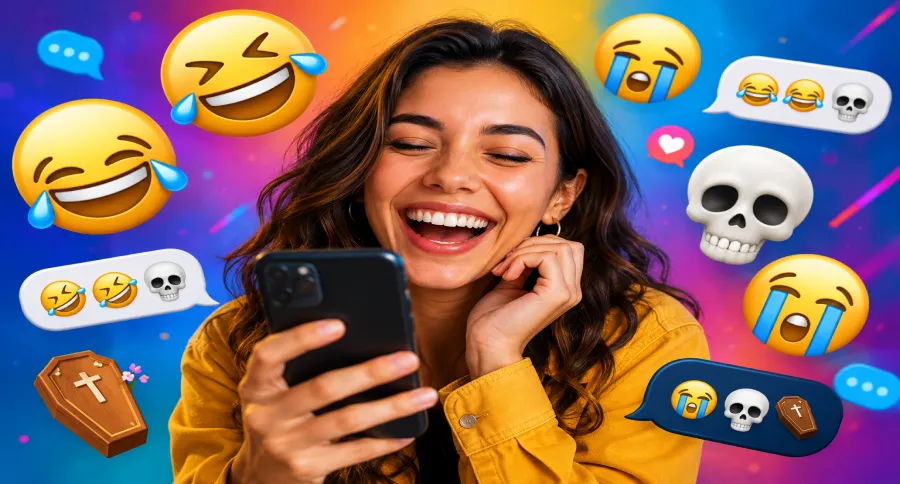
💀 “I’m dead” from laughing, now preferred over 😂 on TikTok and memes.
😭 Extreme laughter, rarely sadness.
⚰️ Similar to 💀, dramatic laughter for ironic or over-the-top humor.
🤣 Cross-generational laughter; safer to use if you’re unsure.
Irony & Sarcasm
🙃 Passive-aggressive or fake positivity.
🙂 Rarely genuine happiness; usually subtle annoyance or fake politeness.
🫡 Acknowledgment or sarcastic “roger that.”
🤡 Self-deprecation or playfully calling out foolishness.
Emojis like 🙂 or 😊 can carry passive-aggressive or sarcastic undertones; learn more about how the 😊 emoji is interpreted in Gen Z messages to avoid sending the wrong signal.
Emotional & Relational
🥺 Shy, pleading, or “puppy eyes,” often paired with 👉👈 for flirtiness or shyness.
🫂 Offering emotional support in posts or replies.
🥰 Wholesome love or genuine appreciation.
🫶 Hand-heart gesture for love or support; trending across TikTok and Instagram.
Expressive & Mood-Based
🫠 Melting, overwhelmed, or giving up; used for stress or comedic effect.
😌 Contentment or smug satisfaction, subtle pride.
😶🌫️ Confused, “lost in the sauce,” or unsure.
👀 Noticing something interesting or dramatic.
😬 Cringe or awkward moments.
🫣 Embarrassed or hiding face.
Trendy / Playful
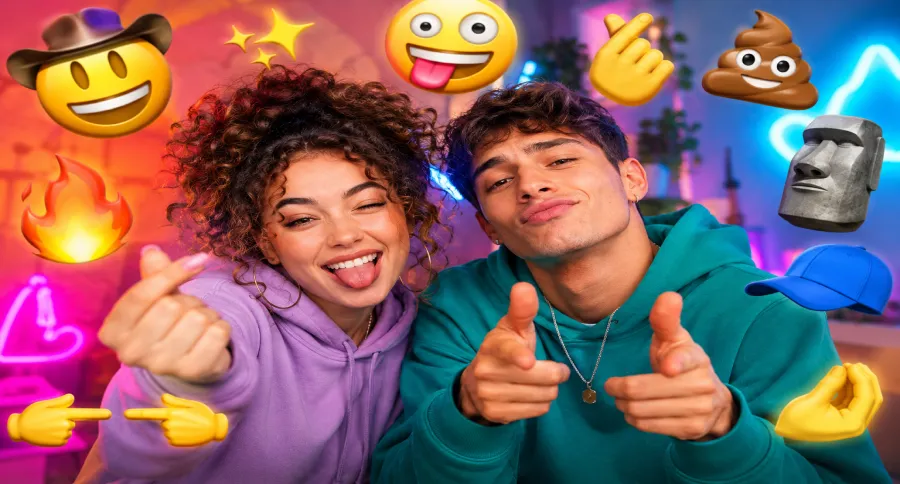
🤌 Chef’s kiss/perfection, often ironic.
✨ Adding emphasis, sparkle, or sarcastic “magic.”
🧢 “Cap” meaning lie; no cap = truth.
🔥 Impressive or hype, sometimes used sarcastically.
👉👈 Shy, nervous, or flirty.
🤪 Self-aware goofiness or mockery.
🤠 Fake happiness or awkward cheerfulness.
🗿 Deadpan, emotionless, or unbothered.
💩 Playful representation of something messy or embarrassing.
🫰 Finger-heart gesture, a playful symbol of love or appreciation.
Aesthetic & Vibe Emojis
🌸 Soft, delicate, or “aesthetic” posts; often used in Instagram captions.
🤍 Minimalist, neutral, or calming vibe; feeds and stories.
🩶 Subtle color-coded aesthetic for mood posts or content curation.
🪞 Reflection, self-love, or introspective aesthetic posts.
🎨 Artistic, creative, or “vibe check” content.
Digital Culture & Meta Emojis
👽 Ironic, alien, or outsider humor; memes and Gen Z jokes.
👾 Nostalgic or playful gaming references; ironic usage.
💀 Exaggerated “I’m dead” used in memes for comic effect.
🫠Over-the-top overwhelmed or dramatic reaction; meme-ready.
🫡 Used ironically in meme replies or internet commentary.
Note that Gen Z often pairs emojis with memes to create humor or irony; check out what memes are currently popular on Instagram to see how this visual language evolves in real-time.
How Context Changes Everything: Same Emoji, Different Meanings
For Gen Z, an emoji’s meaning can change with the message and situation. For example, 🔥 may celebrate a big win, but it can also be sarcastic when paired with a post that feels exaggerated or fake.
Platform also matters. 💀 is commonly used to signal laughter in TikTok or X comments, but it may be misunderstood in a professional LinkedIn post. Consider the platform, surrounding text, and audience before using an emoji.
Ironic Emoji Usage: When 😭 Doesn’t Mean Crying
Irony is common in Gen Z emoji use. For example, 😭 can signal intense laughter rather than sadness, while ✨ may add exaggerated or sarcastic emphasis, as in “Just did my taxes ✨productivity✨.”
How Gen Z Emoji Meanings Change by Platform
Gen Z emoji meanings shift from one platform to another; what feels funny or authentic on TikTok might come off as awkward or off-brand on Instagram.
Understanding these platform-specific emoji dialects helps brands connect with Gen Z audiences in a way that feels natural, not forced.
Platform-Specific Gen Z Emoji Use
| Platform | How Emojis Are Often Used | Examples and Meanings |
| TikTok | Trend-led, ironic, and reaction-based | 💀 or 😭 = extreme laughter; 🫠 = awkwardness or overwhelm; 🚩 = a warning sign or “red flag” |
| Visual, aesthetic, and tone-setting | 🌸✨🥹 = soft or wholesome; 💅🔥💋 = glam or confidence; 🤍🩶 = neutral or minimalist aesthetic | |
| Snapchat | Personal and relationship-based | 💛 = mutual #1 Best Friend; ❤️ = mutual #1 Best Friend for two weeks; 🔥 = an active Snapstreak; 😉 or 😏 can signal a flirty tone |
| X | Fast, sarcastic, and meme-driven | 🤡 = mockery or self-deprecation; 🧠 = a smart take; 🫡 = acknowledgment or ironic approval |
| Discord | Community-specific and highly contextual | Custom emojis often represent inside jokes, reactions, or shared references within a server |
5 Surprising Ways Gen Z Uses Traditional Emojis
What might look like simple emojis at first glance carry layers of meaning for Gen Z.
Understanding these surprising twists can help you communicate more authentically and avoid common mistakes.
The Death of the Laughing Emoji 😂
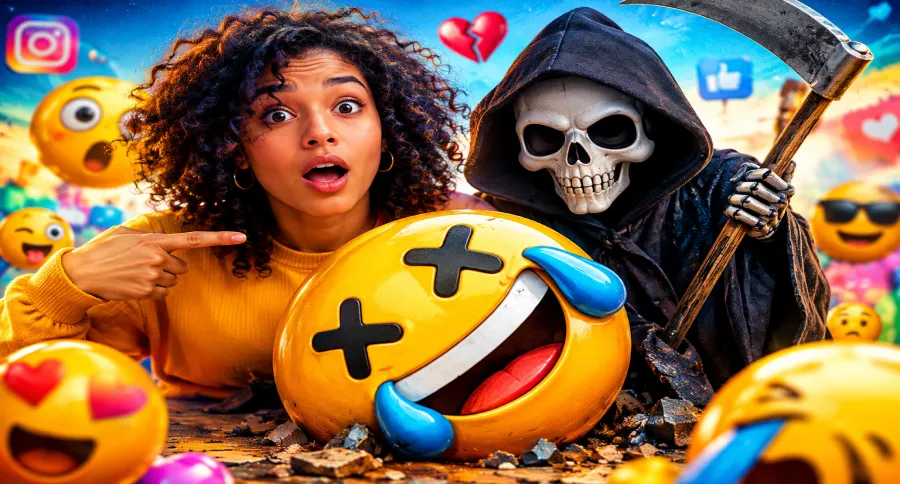
The crying-laughing emoji (😂) used to be the go-to way to show you’re laughing, but Gen Z has pretty much moved on from it.
It has been said that 78% of Gen Z think it’s “for older people” or just plain “uncool.” It’s a great example of how fast emoji meanings can change.
For brands, still using 😂 when talking to Gen Z can make you come off as out of touch, like using outdated slang. If you want to keep it real, try using the emojis Gen Z prefers for laughter, like 💀, 😭, or ⚰️. And if you’re not sure, safer bets like 😆 or 🤣 still work across age groups.
How 💀 Became the New Way to Express Laughter
The skull emoji (💀) has transformed from representing death to becoming Gen Z’s preferred symbol for extreme amusement.
This shift emerged around 2019-2020, with the emoji representing the concept of “dying of laughter.”
What makes this transition particularly interesting is how it reflects Gen Z’s darker, more ironic humor sensibility. When something is genuinely funny, it “kills” them; a more dramatic and fatalistic expression than the simple amusement suggested by 😂.
Passive-Aggressive Punctuation and Emoji Pairings
Gen Z has cleverly used punctuation and emojis to convey subtle annoyance or awkward vibes. For example, ending a message with a period before an emoji, like saying,“.” 🙂 usually means they’re passive-aggressive or not sincere.
Some emoji combos have even developed secret meanings. For instance, 🙂👍 typically means “I’m agreeing, but not really,” or that they’re annoyed.
And when you see many exclamation points followed by 🙃 (!!🙃), it shows fake excitement or hides frustration.
For marketers, awareness of these nuanced combinations prevents unintentionally sending signals of insincerity or tension in customer communications.
Minimalist Communication: The Power of Single Emoji Responses
Gen Z has elevated the single-emoji response to an art form, with specific emojis carrying the weight of entire sentences.
This minimalist approach to communication values efficiency and subtlety over explicit statements.
Common standalone responses include:
- 👍 Acknowledgment without enthusiasm
- 😶 Speechless disapproval
- 🫡 “Got it” or “will do”
- 👀 “That’s interesting” or, “I notice something suspicious”
- 🫠 “I’m overwhelmed” or “I give up”
Recognizing these standalone signals helps brands interpret customer feedback that might otherwise seem cryptic or dismissive.
Strategic Emoji Placement in Messages
Where you put an emoji changes the vibe in Gen Z messages. Starting a message with one sets the mood right away, while ending with an emoji can soften what you said or make it hit harder, depending on which emoji you choose.
When emojis are repeated (like ), it shows something intense. Mixing emojis in patterns adds a kind of rhythm or flair.
Gen Z also plays with spacing and line breaks, sometimes putting a single emoji on its line to make it stand out.
If you’re a marketer trying to connect on social media, paying attention to these little details can make your messages feel way more real and less like boring corporate speak.
How To Decode Complex Gen Z Emoji Combinations
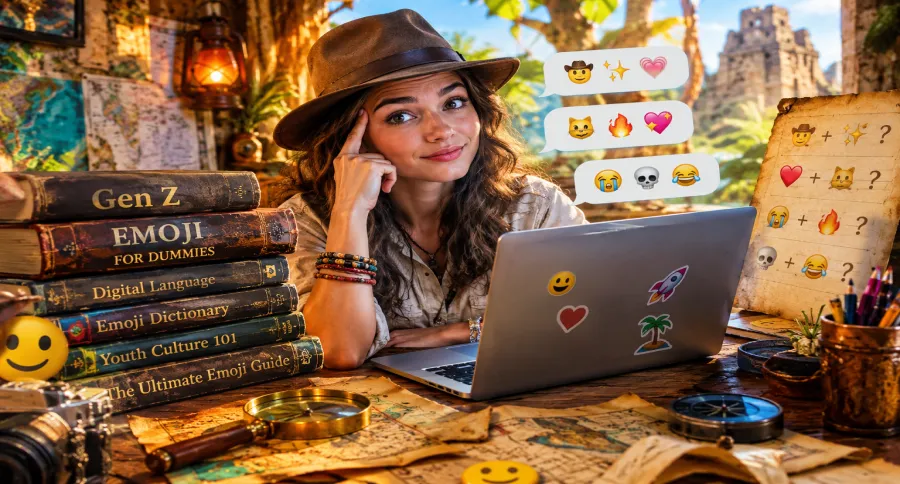
Before you can speak Gen Z’s emoji language, you need to understand how they’re turning simple symbols into full-on conversations.
Understanding Emoji Storytelling Techniques
Gen Z often crafts narratives through emoji sequences that function like visual storytelling. These sequences typically follow cause-and-effect patterns or emotional progressions, creating a mini-narrative without words.
For example, the sequence 👀→😳→💀 tells the story of noticing something shocking and then “dying” from laughter or surprise. Similarly, 🤔→😯→🤦♀️ narrates the process of consideration, realization, and disappointment.
How Gen Z Uses Emojis to Express Complex Emotions
Unlike straightforward emotional expressions, Gen Z uses strategic combinations to convey complex emotional states, requiring several sentences to explain in text.
The sequence 🥲✌️ effectively communicates “I’m pretending to be okay with this situation, but I’m disappointed,” while 😬👍💯 can indicate forced endorsement of something the person finds uncomfortable or questionable.
These combinations often layer seemingly contradictory emotions, like excitement and anxiety (😅🙌) or pride and embarrassment (😌🫣), to capture more authentic and nuanced emotional experiences.
Global Gen Z Emoji Trends: How Meanings Vary by Culture
While certain emoji meanings remain consistent globally among Gen Z, significant regional variations exist that brands operating in multiple markets should recognize.
In Asian markets, particularly South Korea and Japan, sparkle emojis (✨) appear more frequently and with more straightforward positive connotations than the often ironic usage in Western markets.
Brazilian Gen Z users employ 🌚 to indicate mischievous or suggestive content, a usage less common in North America, where 😏 serves a similar function.
Even within countries, subcultural variations emerge based on interests, identities, and online communities.
Gaming communities develop different emoji shorthand than fashion communities, while LGBTQ+ Gen Z users have distinct emoji combinations that signal identity and belonging.
Common Emoji Mistakes Brands Make With Gen Z
Even the most creative brand can slip up with Gen Z emojis, and a single wrong symbol can turn a fun post into a “cringe” moment that hurts engagement.
Using “Cringe” or Outdated Emojis
Emojis like 😂, 🙈, 🤪, or 👉👈 might’ve been cute once, but Gen Z sees them as outdated or even embarrassing. Using them now can make your brand feel out of touch.
- Pro tip: Before launching a campaign, check what emojis Gen Z is actually using. Skim the comments on popular creators’ posts to stay current.
Taking Sarcasm Literally
When someone comments, “Love the new update 🙃,” they’re probably not thrilled; they’re being sarcastic. Emojis like 🙃, 💀, or 👍 are often used ironically.
- Tip for social teams: Always read the tone of the message, not just the emoji. Responding too earnestly can make you look clueless.
Emoji Overload
Too many emojis = trying too hard. While Millennials may love sprinkling emojis everywhere, Gen Z tends to be more minimalist and intentional.
- Stick to 1–2 well-placed emojis that add meaning. Less is more.
Using the Same Emojis on Every Platform
Emojis don’t mean the same thing everywhere. TikTok is all about evolving trends and irony, Instagram leans more expressive, and LinkedIn stays fairly traditional.
- Tailor your emoji strategy to each platform. What’s funny on TikTok might seem weird on LinkedIn.
How to Check an Emoji Before You Use It
Before adding an emoji to a brand post, ask:
- Does your audience already use it?
Check recent comments, DMs, and posts from creators your audience follows. Do not assume an emoji is relevant just because it is trending elsewhere. - Do you understand the full meaning?
Many emojis have ironic, sarcastic, or community-specific meanings. Read the surrounding text and recent examples before using one. - Does it fit your brand voice?
Use emojis that support your message, not ones that make your brand sound like it is copying younger audiences. - Is the trend still current?
Emoji meanings can change quickly. A symbol that felt natural a year ago may now feel overused or outdated. - Would the post still work without it?
An emoji should add tone or clarity. If it carries the whole joke or message, revise the caption first. - Could it be misunderstood?
Avoid emojis with unclear, sensitive, or niche meanings in customer support, crisis communications, or formal announcements.
Make Emoji Use Accessible
Emojis can add personality to social posts, but they should not make your message harder to understand. Screen readers often read an emoji’s name aloud, so a long string of symbols can interrupt the experience for people who use assistive technology.
Use these simple guidelines:
- Put important information in words, not emojis. An emoji should support your message, not replace it.
- Keep emojis to a minimum. Avoid repeating the same emoji or adding long strings of symbols for emphasis.
- Place emojis at the end of a sentence or paragraph, rather than in the middle of a phrase or word.
- Do not use emojis as bullet points, labels, or the only way to communicate an emotion, warning, or call to action.
- Check how an emoji is described before using it. Its screen-reader label may not match the meaning you intend.
- Add alt text to images, GIFs, and graphics that contain important visual or written information.
For example, instead of writing:
🚨 New drop tomorrow 🔥🔥🔥
Write:
Our new collection launches tomorrow. 🔥
The second version keeps the energy while making the message clearer and easier to understand. Accessibility guidance recommends using emojis sparingly, avoiding them in place of important words or information, and placing them at the end of sentences where possible.
Creating Authentic Connections Through Strategic Emoji Use
Using emojis the right way isn’t just about staying trendy; it’s about building real, authentic connections with Gen Z through a digital language they actually trust.
Build a Consistent Emoji Style
- Use emojis that reflect your brand’s personality (e.g., 🌱🏔️ for eco-friendly brands, ✨💄 for bold or glam ones).
- Keep emoji choices consistent across platforms; they should feel like part of your voice, not random extras.
Use Trending Emojis, But Only If They Fit
- Don’t chase every emoji trend. Pick ones that feel natural for your brand.
Before using a trend:
- Double-check its meaning
- Make sure it aligns with your values
- Test it in smaller posts before wide use
Blend Gen Z Style With Professionalism
- Use Gen Z emojis in casual posts (comments, stories), not formal content.
- Let emojis support strong text; don’t rely on them to do all the talking.
- Skip extreme or risky trends unless they align with your brand tone.
The Future of Gen Z Digital Communication
As Gen Z continues to shape the internet’s visual language, the future of emoji communication is becoming more creative, fast-evolving, and deeply tied to how young audiences express identity online.
Emerging Emoji Trends to Watch in Social Media
Several emerging trends suggest where Gen Z emoji communication is heading:
Increased platform-specific usage: As social platforms fragment, distinct emoji dialects are developing within each ecosystem.
Emoji sequencing: More complex emotional narratives told through strategic emoji ordering.
Hybrid text-emoji inventions: Creating new meanings by integrating emojis mid-word or sentence (like “tom💀rrow” to indicate dreading tomorrow).
Meta-ironic returns: Some previously “cringe” emojis are being reclaimed ironically, particularly 🤠, 👽 and 👾.
Animation emphasis: Increasing preference for animated emojis over static versions where platforms support them.
How AI and New Platforms Are Changing Emoji Usage
Custom emojis and reactions on platforms like Discord have created new visual vocabularies, while AI-suggested emojis influence usage patterns by promoting certain combinations.
AR-enabled communication platforms are beginning to blend traditional emojis with animated avatars and reactions, creating more immersive emotional expressions.
Meanwhile, emoji usage in voice messages and audio content creates new conventions for how these symbols translate to verbal communication.
Predictions: Where Emoji Language Is Heading Next
Looking ahead, several trends seem likely to shape the future of Gen Z emoji communication:
1. Increasing sophistication in emoji sequencing to express complex emotional states.
2. Greater contextualization, with the same emoji carrying different meanings across platforms.
3. More rapid evolution of meanings, with emoji lifecycles accelerating.
4. Integration of emojis with other visual elements like memes and filters.
5. Development of micro-community-specific emoji usage that signals insider status.
Conclusion
To truly connect with Gen Z, brands must treat emojis as a real part of communication, not just trendy add-ons.
Focus on understanding core Gen Z emoji patterns and pay attention to how your audience uses them in real time. Let that guide your strategy.
Emoji language is always changing; You don’t need to master every trend, stay curious, keep listening, and show Gen Z that your brand is adapting with them. That’s how you build trust and authentic engagement.
FAQs
How many emojis does Gen Z use daily?
On average, Gen Z uses about 34 emojis per day, more than Millennials or Gen X, to add tone, humor, or emphasis in messages and social media posts.
What do Gen Z emojis mean?
Gen Z emojis often have ironic, sarcastic, or context-specific meanings. For example, 💀 means “I’m dead from laughing,” 🥺 shows shyness or pleading, and 🙃 signals passive-aggression. Understanding the context is key.
Can brands use emojis to connect with Gen Z?
Yes! When used correctly, emojis can boost engagement and relatability. Focus on current trends, platform-specific meanings, and subtlety; avoid outdated emojis or overloading posts.
What Does 🧢 Mean in Gen Z Slang?
🧢 means “cap,” or “that’s a lie.” “No cap” means “I’m telling the truth.” It is often used playfully to challenge an exaggerated claim, but brands should avoid using it unless the joke and audience context are clear.
How Many Emojis Should Brands Use in a Social Media Post?
There is no fixed number, but one to three purposeful emojis are usually enough. Use them to add tone or emphasis, not to replace important words or fill the caption. Too many emojis can make a post feel forced and may be harder for screen-reader users to follow.

Emi Daniel
Buy an Established Instagram Account
Skip starting from zero. Browse Instagram/TikTok accounts with audiences across many niches.
See Available AccountsRelated articles
-
Top 10 Apps Like Pinterest to Try for Free (2026 Guide)
Pinterest used to feel like flipping through someone’s real taste. Lately it feels more like scrolling past ads with a few actual pins mixed in, and a…
21 min readEmi Daniel
-
How to Increase Your Snapchat Score in 2026: Records, Strategies & Smart Tips
Snapchat Score is one of social media’s most mysterious features, and plenty of people check it every day just to see that number go up. At first…
15 min read -
Facebook Image Sizes 2026: Complete Guide & Cheat Sheet
Did you know that Facebook posts with properly sized images tend to get much higher engagement than posts with poorly cropped or low‑quality visuals? This alone shows…
12 min read