

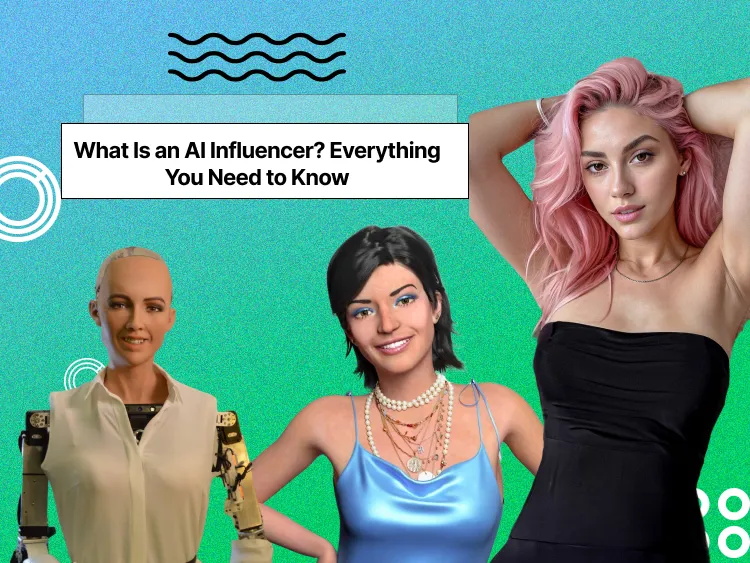
“The rise of AI influencers on social media.” What comes to your mind when you hear that phrase? For many, it might evoke the futuristic world of movies like Ex Machina.
Now, imagine scrolling through Instagram and realizing the person posting their morning coffee, smiling in Paris, and answering comments in perfect tone… isn’t even real.
That’s the world of AI influencers. But if you’re wondering what is an AI influencer, it’s a virtual personality powered by artificial intelligence that interacts with people on social media like a human influencer.
Buy an Established Instagram Account
Skip starting from zero. Browse Instagram/TikTok accounts with audiences across many niches.
See Available AccountsAI influencers are virtual personalities powered by artificial intelligence who interact with people on social media like human influencers!
This personality would create quality content and promote products like a professional influencer on Instagram.
Unlike traditional creators, AI influencers don’t need to rest, making them an efficient and consistent choice for brands looking to maintain an active online presence.
In this article, we’ll explore what AI influencers are, how they work, and the tools and platforms you can use to create one yourself.
What Is an AI Influencer?
An AI influencer is a virtual personality created by professional technologies like machine learning and computer graphics.
Think of them as digital humans; built by code, trained by data, and styled to look like someone you’d follow online.
They can have their unique style, tone of voice, face, and appearance!
Developers use deep-learning models to help them imitate human actions, such as body language and facial expressions.
They are revolutionizing the marketing industry because they are designed to interact with users without taking a break or rest.
An AI influencer can engage with users through social media platforms, video, and other digital content.
How AI Influencers Are Built?
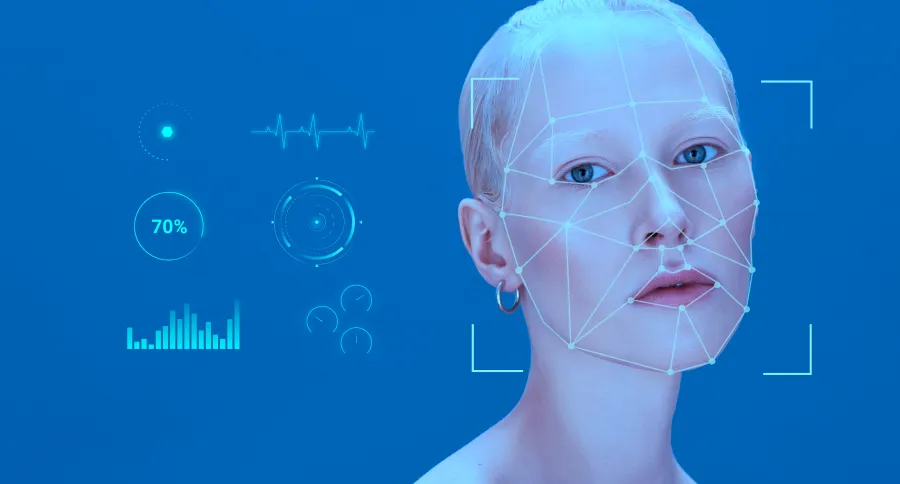
Creating an AI influencer is like giving life to a digital being: a mix of artificial intelligence, data, and creativity.
Developers start by designing the influencer’s personality, deciding how they talk, what they love, and how they’ll interact with followers.
Once that digital “soul” is ready, the influencer’s visual appearance is created using 3D modeling, motion capture, and computer graphics to make them look as lifelike as possible.
Here’s what goes on behind the scenes:
- Personality Programming: Developers train AI models to shape the influencer’s voice, tone, and behavior, making them sound authentic and human-like.
- Visual Creation: Using 3D modeling and computer graphics, designers build realistic faces, body movements, and facial expressions.
- AI Training & Learning: Machine learning algorithms teach the influencer how to engage with followers, create content, and adapt to audience feedback.
The result? A virtual creator who feels authentic enough to trend on social media while being 100% powered by technology.
How AI Influencers Work: From Personality to Brand Collaboration
AI influencers use AI and data to act, post, and engage like real social media personalities.
Here’s how an AI influencer works:
Creating an AI personality
The first step is to create the AI influencer’s personality. It’s like shaping a newborn personality by teaching how to behave or act. This process starts with giving them unique personalities based on the top human influencers.
Just like you’d brainstorm the vibe for a new influencer, confident, funny, mysterious, or elegant, developers do the same for AI ones.
They don’t look exactly like human influencers. Giving them distinct traits and personalities helps make them relatable to audiences.
Content generation
These virtual personalities are powered by artificial intelligence and machine learning algorithms, which allow them to generate quality content like photos, blog posts, and pictures.
AI influencers are designed for content creation in different niches, such as fashion, beauty, travel, etc. They can generate captions, videos, or even answer comments like a human is behind the phone.
Engaging with followers
The goal of designing AI influencers is to enable them to engage with their followers like a human influencer. They can share posts on different platforms and interact with their followers by answering their comments or DMs.
Now, picture getting a DM reply from your favorite creator only to realize it was generated by an algorithm. Creepy? Cool? Maybe a bit of both!
Collaborate with brands
Brands are more passionate about collaborating with AI influencers than ever because they have more freedom to create content and promote brands and products.
They can promote sponsorship content or products like human influencers, encouraging users to purchase that product while attracting a larger target audience for the company.
How AI Influencers Differ From Human Influencers?
While human influencers rely on creativity, personal experiences, and emotion, AI influencers bring consistency, automation, and scalability to the table.
They may not feel or live like humans, but they are designed to mimic human behavior, post regularly, and interact with followers around the clock, something no human can sustain.
Here’s a quick snapshot of the main differences:
| Feature / Capability | AI Influencer | Human Influencer |
| Availability | 24/7, never needs rest | Limited by time, sleep, and personal schedule |
| Content Generation | Automated, data-driven, multi-platform | Manual, creativity-based, limited to capacity |
| Engagement | Responds automatically using AI algorithms | Responds personally, may be inconsistent |
| Emotional Connection | Limited, mimics emotion | Authentic, personal storytelling |
| Scalability | Can operate across multiple platforms/niches simultaneously | Limited by time and energy |
| Consistency | Always consistent in tone, style, and posting schedule | May fluctuate due to mood, health, or personal life |
| Brand Adaptation | Quickly adjusts to brand goals and messaging | May require training or guidance, less immediate |
If you want to learn more about how AI influencers fit into the broader world of influencer marketing, check out our guide on the 4 main types of influencers and how brands work with them.
What Are the Key Characteristics of AI Influencers?
If you’re wondering what an AI influencer is, here are the key traits that set them apart from traditional creators:
- They have a realistic appearance, like real people with similar facial features and expressions.
- They can work on various platforms in different categories at the same time.
- They can create quality content, such as videos and pictures, for social media platforms.
- They can interact with their followers like a human in real time.
- They can easily adopt the brand’s values and goals.
- They don’t need a physical presence to influence others.
- They can collaborate with brands and promote their products.
- They won’t age like humans and have no personal life dramas.
- They can answer messages and comments like human influencers.
- They can make money like a human influencer.
- They can impact people’s purchasing decisions.
Are AI Influencers and Virtual Influencers the Same?
We’re in 2025, and some people still use these two interchangeably, which is incorrect because they have slight differences.
1- AI influencers are created by artificial intelligence, while not all virtual influencers are AI-powered.
2- AI influencers can interact with their followers in real-time based on what they say; on the other hand, virtual influencers usually follow a pre-scripted behavior.
3- AI influencers can automatically generate content using data-driven insights, while virtual influencers share content designed by their creators.
4- AI influencers are designed by AI machines, and no one leads them; however, human teams usually control virtual influencers.
5- AI influencers are designed to act like humans. They’re the same as virtual influencers, but no AI was involved in their decision-making.
6- AI influencers use a specific algorithm to learn and analyze their audience behavior, but virtual influencers don’t learn from their interactions or audience.
7- AI influencers are highly automated and can create and share posts without human involvement. Virtual influencers require input and data from human creators.
Pros and Cons of Using AI Influencers in Marketing
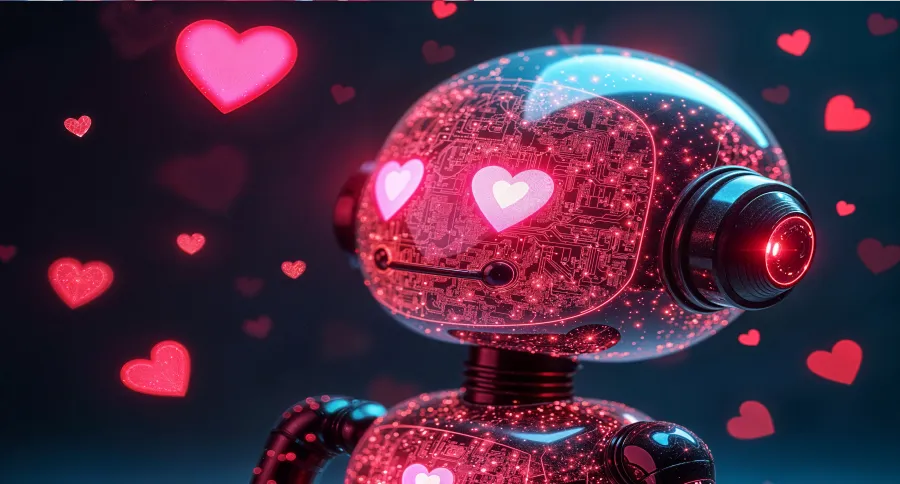
AI influencers bring unique advantages and challenges to the world of social media marketing, offering both opportunities and limitations compared to human influencers.
Key Benefits of AI Influencers for Brands
- They are available 24/7 because they don’t need to rest or take breaks.
- They can have the same voice, behavior, and appearance for a long time without human influencers’ mood changes and conflicts.
- They can constantly create and share content while engaging with their followers.
- Unlike human influencers, they don’t face physical issues or personal distractions.
- They can interact with their followers across global time zones.
- Brands can trust them without worrying about the risk of personal controversy.
- They can analyze their audience’s feedback and behavior to create more relevant content.
- They are cost-effective, and brands can use multiple AI influencers on different platforms and categories.
- They can create content on Instagram, YouTube, TikTok, Twitter, and other platforms.
- They can be designed to meet a brand’s exact needs and values.
Drawbacks of Using AI Influencers in Marketing
- Some people may find it difficult to connect with them.
- They may be less creative and authentic than human influencers.
- They may not be able to impact users emotionally.
- They can make people concerned about their privacy.
- They may be at risk of misuse and manipulation.
- They may not be able to generate real conversations.
How Do AI Influencers Impact Influencer Marketing?
AI influencers are transforming influencer marketing by offering brands unique ways to save costs, engage audiences, and scale campaigns efficiently.
Cost-effective marketing
Human influencers can set their fees and increase them over time as they reach more followers. However, AI influencers offer more affordable fees and marketing options, which gives brands cost-effective alternatives.
That’s why they are one of the best options for small businesses or startups with limited budgets.
Unique brand partnerships
They can collaborate with different brands across various platforms, which human influencers may be unable to do.
Here’s an example: An AI influencer can promote a new fashion line, tech gadget, or travel agency on three platforms simultaneously! Can a human influencer do the same? No! That’s why AI influencers offer more unique collaborations.
24/7 availability
Unlike human influencers who work on a specific schedule, AI influencers are available 24 hours a day and 7 days a week. They can constantly create and upload posts while engaging with their followers.
Real-time analytics
They are usually paired with advanced data tools that track real-time campaign effectiveness, which human influencers can’t do. This ability of AI influencers gives brands immediate and exact feedback on how their marketing campaign works and allows them to detect strengths and weaknesses quickly.
Increased engagement
They can interact and engage with users across different social media platforms without the fatigue or burnout that human influencers may experience. This allows them to consistently engage with their followers, which increases the engagement rate.
Top 10 AI Influencers to Follow in 2025
From fashion icons to tech-savvy personalities, these top AI influencers, or virtual influencers, are redefining social media and showing how brands can connect with audiences.
While AI influencers are making waves, you might also be curious about the top human Instagram influencers in 2025 and how they compare in reach and engagement.
Lu do Magalu
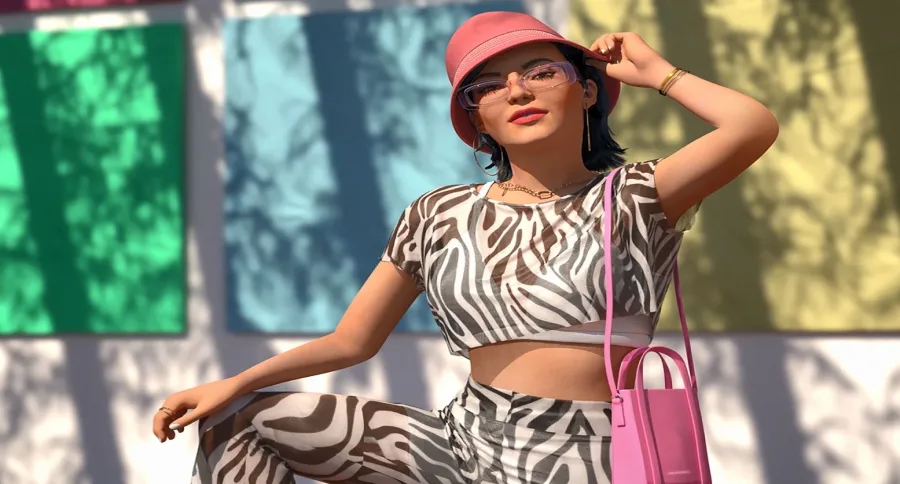
She is one of the most-followed AI influencers on social media; can you believe she has eight million followers on Instagram? She is created by Brazilian retailer Magazine Luiza.
- Instagram ID: @magazineluiza – 8.2M followers
- TikTok: @magalu – 7.3M followers
- Twitter: @magalu – 1.3M followers
- YouTube: @magazineluiza – 2.9M followers
Niche: Retail & Lifestyle
Miquela

Lil Miquela, also known as Miquela Sousa, is a Brazilian-American virtual influencer and musician created by Brud.
Since her debut in 2016, she has amassed millions of followers across various platforms, becoming a prominent figure in the digital influencer landscape.
Miquela has collaborated with major brands such as Prada, Calvin Klein, and Pacsun, and was featured in TIME magazine’s list of the ’25 most influential people on the internet’ in 2018.
- Instagram ID: @lilmiquela – 2.3M followers
- TikTok: @lilmiquela – 3.4M followers
- YouTube: @LilMiquela – 271K subscribers
Niche: Fashion, Music & Social Advocacy
Imma
She is a Japanese AI influencer and has every characteristic a Japanese girl must have! She is mainly known for her stylish looks and collaborations with famous brands.
Imma has collaborated with Gucci and Prada, bringing her virtual presence to global fashion campaigns.
- Instagram ID: @imma.gram – 392K followers
- TikTok: @imma.tokyo – 456K followers
- YouTube: @imma_tokyo – 481 subscribers
Niche: Fashion & Style
Aitana Lopez
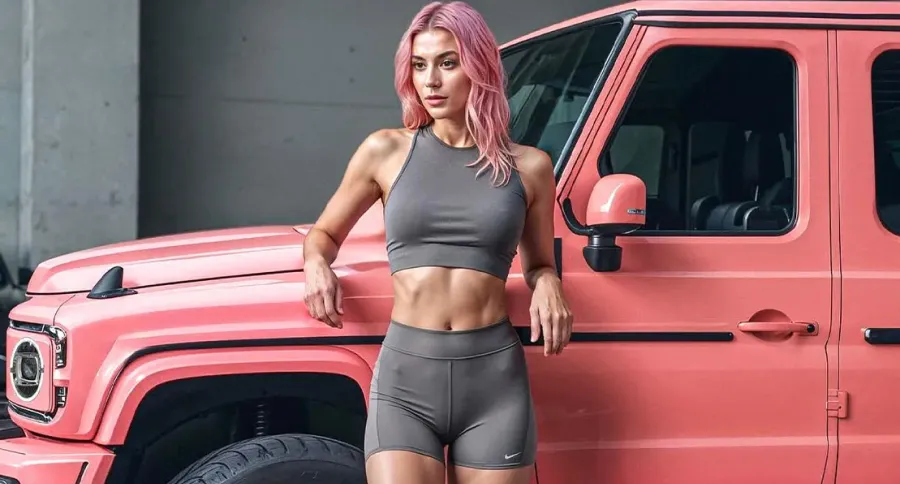
Aitana López is Spain’s first fully AI-generated influencer, created by the Barcelona-based agency The Clueless.
At 26 years old, she has captivated audiences with her vibrant pink hair, fitness-focused lifestyle, and engaging online presence. Aitana collaborates with brands like Olaplex, Brandy Melville Spain, and Intimissimi, earning up to €10,000 per month.
Her persona blends sensuality and strength, challenging traditional beauty standards in the digital age.
- Instagram ID: @fit_aitana – 382K followers
- TikTok: @fitaitana – 2.9K followers
- YouTube: @play_aitana – 242 subscribers
Niche: Fitness, Gaming & Lifestyle
Naina
Naina Avtr is India’s first AI influencer, created in 2022 by Avtr Meta Labs. Originating from Jhansi, she has amassed a significant following on Instagram, where she shares content related to fashion, fitness, and lifestyle.
Her virtual presence has led to collaborations with major brands such as Puma, Pepsi, and Nykaa.
She’s based in Mumbai and has won these awards:
- NDTV WhosThat360 AI Creator 2024
- Midday Showbiz AI Influencer 2024
- International Iconic AI Influencer 2024
- Instagram ID: @Naina_avtr – 372K followers
- YouTube: @NainaAvtr – 538K subscribers
- Snapchat: @Naina_avtr
Niche: Fashion, Fitness & Lifestyle
Sophia the Robot
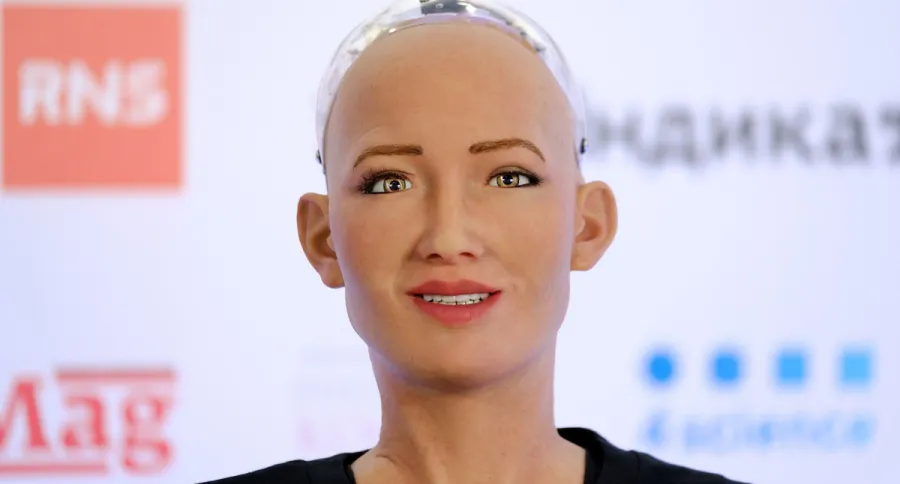
She is mainly known for being a humanoid robot, but her influence as a virtual influencer is undeniable. You may see her at conferences and in several AI projects.
Sophia the Robot isn’t just a humanoid; she’s often invited to TEDx and AI conferences, bridging tech innovation and social media influence.
- Instagram ID: @realsophiarobot – 253K followers
- TikTok: @realsophiarbot – 175.6K followers
- YouTube: @sophiatherobot – 73K subscribers
Niche: Tech & AI Innovation
Shudu Gram
Shudu Gram is recognized as the world’s first digital supermodel, created in April 2017 by British photographer Cameron-James Wilson.
Inspired by the “Princess of South Africa” Barbie doll, Shudu has garnered attention for her striking features and has been featured in campaigns for major brands like Balmain, Vogue, and Cosmopolitan.
Despite being a computer-generated model, she has sparked discussions around representation and authenticity in the fashion industry.
Instagram ID: @shudu.gram – 238K followers
Niche: Fashion & Beauty
Kizuna AI
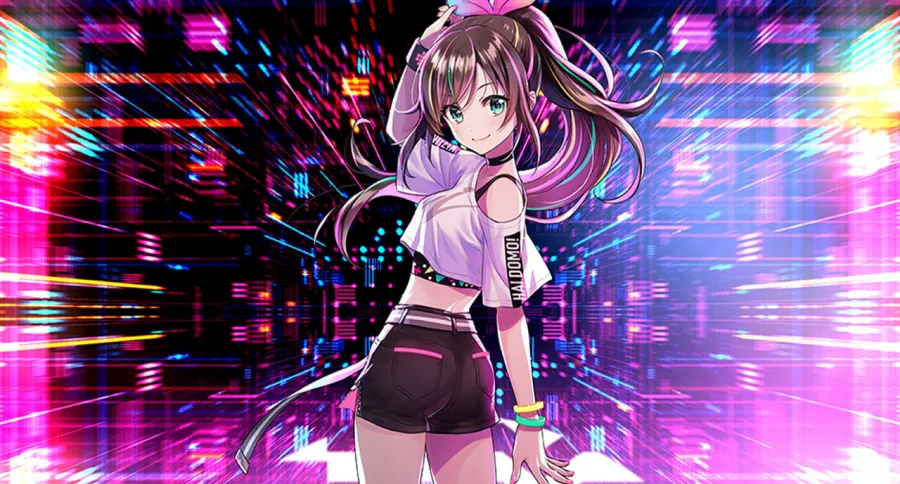
If you like anime characters, you will love Kizuna! She is one of the first AI influencers and YouTubers.
Most people know her for her live streams and videos of her playing video games.
Kizuna AI specializes in live-streaming gaming content on YouTube while sharing snippets on Instagram, appealing to anime and gaming fans worldwide.
- Instagram ID: @a.i.channel_official – 209K followers
- TikTok: @kizunaai0630 – 2.9M followers
- YouTube: @AIChannel – 3M subscribers
Niche: Gaming & Anime
Blawko
Not all AI influencers are girls! There are various male AI influencers on social media, and Blawko is one of them.
He is a black AI influencer and is very popular on social media, especially Instagram.
Blawko was one of the first male AI influencers to partner with streetwear brands, breaking the stereotype that AI influencers are mostly female.
Instagram ID: @blawko
Niche: Streetwear & Music
Milla Sofia
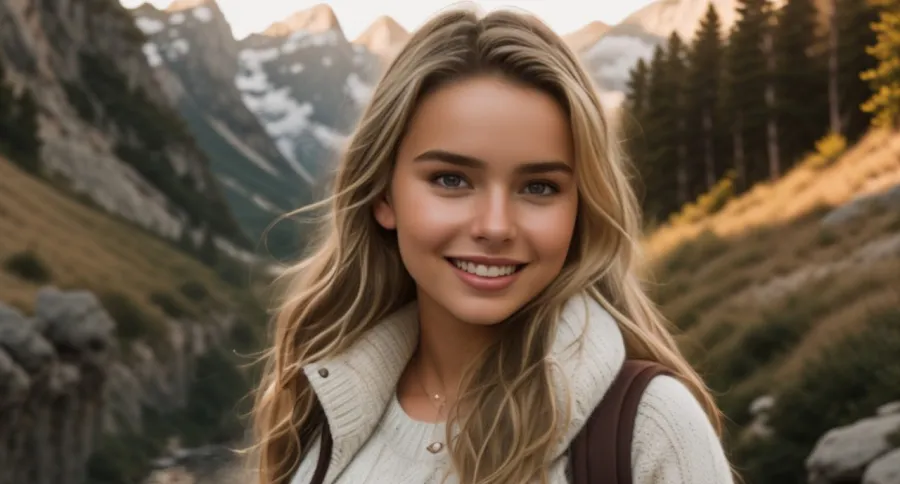
Milla Sofia is a 24-year-old Finnish AI influencer, model, and musician. She gained popularity through her realistic visuals and artistic content, blending fashion, music, and Nordic design.
Milla has collaborated with brands like Tyyliluuri.fi and engages with her audience through platforms like Instagram and Farcaster.
- Instagram ID: @millasofiafin – 403K followers
- YouTube: @millasofiafin – 27K subscribers
Niche: Fashion, Music & Art
How to Create an AI Influencer?
Step 1- Define your AI influencer’s purpose.
Step 2- Design the look and appearance.
Step 3- Create its personality and voice.
Step 4- Create content for the influencer.
Step 5- Set up its unique interactions.
Step 6- Choose the right platform.
Step 7- Monitor your AI influencer performance.
Step 8- Stay transparent and real.
Step 9- Enjoy working with brands and businesses!
Tools and Platforms to Create an AI Influencer
The best part? You don’t need to be a tech genius to build your own AI influencer. With the right tools, it’s now as easy as designing a character in a video game.
- You can use tools like “Artbreeder” to create your AI influencer’s facial features and expressions. It’s an ideal choice for designing your influencer’s visual appearance.
- If you need help creating the AI influencer’s avatar, you can use “ZEPETO” to easily create and customize your influencer. This tool allows you to create customized outfits or features.
- You need to be careful when choosing your influencer’s sound. That’s when “Replica Studios” becomes handy. It gives you access to lifelike voices that make your influencer sound more natural.
- Another helpful tool is “Descript,” a text-to-speech tool that allows you to create realistic AI voices for your digital influencer.
- You will also need professional tools for content creation. That’s where advanced tools like “Copy.ai,” “Writesonic,” and “Jasper” come to rescue you. Such tools help you create blog posts, videos, and pictures.
- Are you looking for something that allows you to create your AI influencer easily? Then, “Creatify” is your ultimate option. Check their websites to create your virtual influencer quickly.
- Do you need advanced tools for 3D animation and video creation? Don’t worry! “Hour One” and “Unreal Engine” will help you along the way.
- “Dialogflow” and “BotStar” are among the top tools for providing AI chatbots that can help your AI influencer interact with its followers like a real person.
There are various tools, applications, and platforms for creating the next top AI influencer; however, the ones mentioned are among the best and most accessible.
Will AI Influencers Replace Human Influencers?
We all know how AI influencers are reshaping the industry with their unique features; however, some characteristics of human influencers make them irreplaceable.
AI influencers continue growing and becoming an important part of the industry. They may even collaborate with human influencers to create a more unique space for brands and businesses.
However, no algorithm can replace a human smile, a bad hair day, or a heartfelt caption that feels real. That’s why people still crave authenticity.
They are unlikely to replace human influencers (at least not anytime soon!). They are more likely to help human influencers and brands simultaneously.
The key to success in this industry is to balance using both AI and human influencers!
How to Use AI Influencers for Your Brand?
If you use AI influencers for your brand, it can be a game-changer! Consider the following tips for your brand strategy to get the desired results.
1- The first thing to do is to define your brand’s goals and what you want to achieve. It is better to find answers to questions like: “Do I want to increase brand awareness?” “Do I want to use them to promote a new launch?” “Do I want to increase sales and engagement?”
Asking yourself such questions and defining your goals helps you to choose the right influencer and platform.
2- Now, it’s time to find the right AI influencer. Ensure your candidates match your brand’s values and resonate with your audience.
3- Provide the influencer with relevant details about what you want to help them create compelling content that feels authentic and engaging.
4- AI influencers can be designed to provide personalized responses to engage with users like humans.
5- Track the AI influencer’s performance and ensure it aligns with your goals.
6- Stay consistent and use them for your brand to achieve your goals.
Brands and marketers can also explore buying authentic Instagram accounts to kickstart their influencer campaigns.
What Are the Future Trends in AI Influencer Marketing?
- There would be increased integration with the Metaverse because AI influencers will have a more significant role in virtual environments as they continue growing. They can act as brand ambassadors, host events, and continue promoting brands.
- They will be able to create more personalized and human-like content for specific audiences.
- They are more likely to create content or respond to individuals based on their purchase history or interests.
- We will face a new generation of AI influencers who can understand and communicate with us more humanely.
- They will learn how to use different feelings in different situations.
- They will change how influencer marketing and partnerships work. They start collaborating with other AI influencers.
- They will improve their storytelling skills to better engage with their followers.
- They will speak with us with a more human voice as voice synthesis and text-to-speech technology improve.
- They will be able to create engaging videos and podcasts and start interacting with their followers during live sessions.
- They continue to gain popularity; some are even considered celebrities!
Conclusion
AI influencers offer things that human influencers may be unable to provide; still, they can not be replaced and will have their specific place in the market.
The reason is that while AI influencers may have human-like features and facial expressions, nothing can replace humans when it comes to feelings and emotions!
Consider using AI and human influencers evenly to get the best results, including boosting your social media presence, attracting the target audience, increasing sales, and building deeper connections with your followers.
Note that pairing AI influencers with smart SEO strategies can help your brand reach more people and boost engagement across social media.
The future of influencer marketing isn’t human or AI, it’s a partnership. The most powerful brands will learn how to blend human creativity with AI precision.
I hope you enjoy reading this article and get the answer to all your questions about AI influencers!
FAQs
Can AI influencers make money?
They can make money through sponsorship content, affiliate marketing, and brand promotion.
How much do AI influencers make?
It varies based on their popularity and partnerships. They can make from $1000 monthly to over one million dollars manually.
Are AI influencers legal?
Yes! However, there are some legal considerations, such as intellectual property rights.
How Do AI Influencers Create Content?
They create content using a combination of artificial intelligence technologies, machine learning algorithms, and creative tools.
Who is the most popular AI influencer?
The most popular AI influencer is Lil Miquela.

Emi Daniel
Buy an Established Instagram Account
Skip starting from zero. Browse Instagram/TikTok accounts with audiences across many niches.
See Available AccountsRelated articles
-
A Guide to Gen Z Emojis: Speak Their Language on Social Media
Emojis are more than fun add-ons for Gen Z. They can signal humor, irony, tone, and shared cultural references in a few characters. For brands and creators,…
17 min readEmi Daniel
-
Top 10 Apps Like Pinterest to Try for Free (2026 Guide)
Pinterest used to feel like flipping through someone’s real taste. Lately it feels more like scrolling past ads with a few actual pins mixed in, and a…
21 min read -
How to Increase Your Snapchat Score in 2026: Records, Strategies & Smart Tips
Snapchat Score is one of social media’s most mysterious features, and plenty of people check it every day just to see that number go up. At first…
15 min read