


Companies integrating SEO and social media marketing see a 55% increase in lead generation compared to those using either strategy alone? This isn’t just a fluke; it’s a clear signal that in today’s hyper-digital world, visibility requires a multi-front approach.
Search engine optimization (SEO) and social media were once seen as separate marketing paths—one focused on algorithms, the other on people. But as digital landscapes evolve, the line between search and social continues to blur. Social media drives engagement, brand personality, and viral potential. SEO delivers long-term search visibility and consistent traffic. Together, they amplify each other’s strengths, fueling growth that’s both immediate and sustainable.
If your digital strategy still treats SEO and social media as silos, it’s time to rethink. When harmonized, they don’t just coexist; they create a compounding effect that boosts brand trust, improves search rankings, and drives meaningful user engagement. In this guide, we’ll explore how SEO and social media complement each other, the strategic benefits of integrating both, and actionable tactics to unlock their combined power.
Buy an Established Instagram Account
Skip starting from zero. Browse Instagram/TikTok accounts with audiences across many niches.
See Available AccountsUnderstanding the SEO-Social Media Relationship
The relationship between SEO and social media is nuanced but powerful. While Google has stated that social signals aren’t direct ranking factors, the indirect benefits create undeniable advantages for brands that excel at both.
How Social Signals Impact Search Rankings
Social signals—likes, shares, comments, and overall engagement—may not directly influence your Google ranking, but they generate traffic and increase brand visibility. When your content receives significant social engagement, it often leads to more backlinks, longer dwell time, and increased brand searches—all factors that search engines do consider when determining rankings.
As Sprout Social’s research shows, 76% of consumers will visit a company’s website after having a positive social media experience with that brand. This increased traffic sends positive signals to search algorithms about your site’s relevance and authority.
The Role of Content Visibility Across Platforms
Content that performs well on social media platforms reaches a wider audience, creating more opportunities for shares and backlinks. When your social media profiles rank in search results (which they often do for brand searches), you essentially claim more real estate on the search results page.
According to a recent study, brands with strong social media presences saw their search visibility increase by up to 35% compared to competitors with minimal social footprints.
Why Search Engines Value Social Engagement
Search engines aim to deliver the most relevant, high-quality content to users. When your content generates significant social engagement, it signals that people find it valuable. While this may not directly boost rankings, it creates a positive feedback loop: engaging content gets shared more, leading to more visibility, more backlinks, and ultimately improved search performance.
5 Ways Social Media Directly Enhances SEO Results
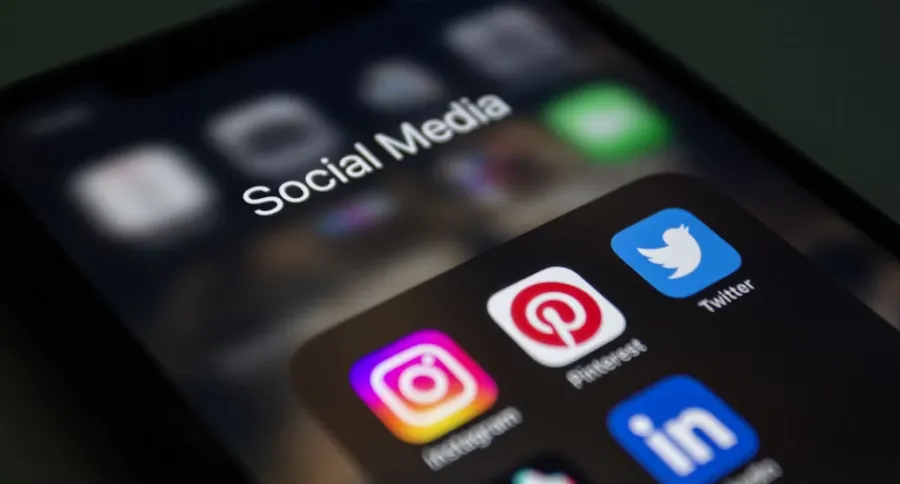
Let’s explore the specific mechanisms through which social media boosts your SEO efforts.
Increasing Content Reach and Natural Backlinks
Every time you share content on social media, you create opportunities for others to discover and link to it. These natural backlinks are SEO gold, signaling to search engines that your content is valuable enough for others to reference.
When industry influencers share your content, you can see a domino effect of additional shares and links. According to Backlinko, content with high social engagement earns 5x more backlinks than content with minimal social presence.
Boosting Brand Awareness and Search Volume
As your social media presence grows, so does awareness of your brand. This increased visibility leads to more branded searches—people directly searching for your company name—which search engines interpret as a strong indicator of your relevance and authority.
When people become familiar with your brand on platforms like Instagram or Twitter, they’re more likely to click on your results when they appear in search listings, improving your click-through rates and sending positive signals to search algorithms.
Extending Content Lifespan Through Social Sharing
Blog posts and website content typically see a surge of traffic upon publication, followed by a decline. Social media extends this lifespan by allowing for multiple sharing opportunities over time.
By resharing evergreen content with new angles or updated information, you can drive fresh waves of traffic months or even years after the initial publication, giving search engines continual signals of your content’s relevance.
Improving Local SEO Through Social Check-ins
For businesses with physical locations, social check-ins and location tags create valuable local SEO signals. When customers check in at your business on Facebook or tag your location on Instagram, they create social proof that reinforces your local presence.
Google considers these consistent name, address, and phone number (NAP) citations across platforms when determining local search rankings.
Accelerating Content Indexing via Social Channels
Social media can speed up the discovery and indexing of your new content. When you share a new page or blog post on social platforms, search engine crawlers may discover and index it faster than they would through organic site crawling alone.
For websites without strong domain authority, this faster indexing can be particularly valuable, giving new content a better chance to rank quickly.
Creating SEO-Optimized Content for Social Success

The most effective digital strategy creates content that performs well on both search engines and social media platforms.
How to Research Keywords for Cross-Platform Appeal
Start by identifying keywords with both search volume and conversation potential. Tools like BuzzSumo can help you find topics that generate social engagement, while traditional SEO tools like Ahrefs or SEMrush reveal valuable search terms.
Look for question-based keywords that address specific problems your audience faces. These naturally lend themselves to engaging social content while also matching search intent.
For example, instead of targeting “social media management,” which is highly competitive, you might focus on “how to manage social media with a small team”—a phrase that works well for both search and social contexts.
Crafting Headlines That Satisfy Algorithms and Humans
Your headlines need to perform double duty: containing key search terms while enticing social media scrollers to stop and engage.
Follow this formula for maximum impact:
- Include your target keyword within the first 60 characters
- Add an emotional trigger word (discover, essential, surprising)
- Promise clear value (examples: “5 Proven Methods,” “Complete Guide”)
For example, “Instagram Marketing Strategy: 7 Surprising Tactics That Drove Our Engagement Up 267%” works for both SEO and social sharing.
Keep headlines under 65 characters to ensure they display properly in search results, while making them compelling enough for social media users to click and share.
Optimizing Images for Search and Social Sharing
Images play a crucial role in both search visibility and social engagement. Follow these practices for both channels:
- Use descriptive, keyword-rich filenames before uploading (e.g., “instagram-marketing-statistics-2023.jpg” rather than “IMG12345.jpg”)
- Add alt text that accurately describes the image while naturally incorporating relevant keywords
- Optimize image dimensions for each platform (1200 x 630 pixels works well for most social sharing)
- Compress images for faster loading without sacrificing quality
Remember that Pinterest and Instagram are visual search engines in their own right. Optimizing images for these platforms supports both your social and SEO goals.
Structuring Content for Maximum Engagement Potential
Create content with both search algorithms and social sharing in mind:
- Use clear H2 and H3 headings that incorporate keywords naturally
- Break up text with bulleted lists, which perform well in both search featured snippets and social feeds
- Include shareable quotes or statistics that can stand alone as social posts
- Add “click to tweet” functionality for key takeaways
- Position share buttons prominently throughout the content
Content structured with these elements becomes more scannable for readers, more optimizable for search, and more conducive to social sharing.
Building a Strategic Content Distribution Plan
Creating great content is only half the battle. A thoughtful distribution strategy ensures it reaches the right audiences across platforms.
Mapping Content Types to Appropriate Platforms
Different content formats perform better on certain platforms:
- LinkedIn: In-depth industry analysis, thought leadership articles, professional guides
- Instagram: Visual case studies, behind-the-scenes content, infographic snippets
- Twitter: Breaking news, statistics, quotes, and conversation starters
- Facebook: Community-building content, videos, and longer-form stories
- Pinterest: Step-by-step tutorials, visual guides, and inspiration boards
Repurpose your core content into formats that match each platform’s strengths while maintaining consistent messaging and keywords across channels.
Timing Your Posts for Maximum Search Visibility
Coordinate your social sharing schedule with your SEO goals:
- Share new content multiple times in the first week after publication to accelerate indexing
- Schedule recurring shares of evergreen content during high-engagement periods
- Time social promotions to coincide with seasonal search trends relevant to your keywords
- Create a content calendar that balances new content promotion with resurfaces of existing assets
According to Sprout Social’s research, the best times to post vary by platform, with Tuesday through Thursday generally showing higher engagement rates than weekends across most networks.
Leveraging Hashtags for Enhanced Discoverability
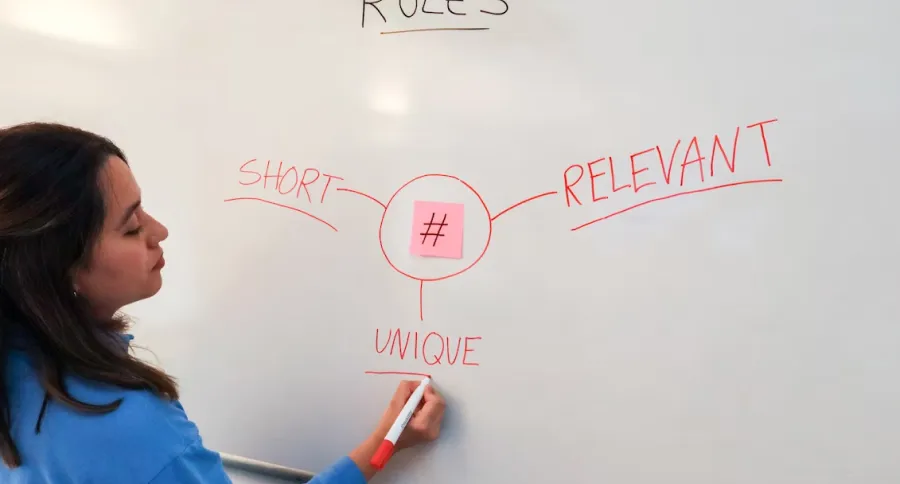
Hashtags serve as a bridge between SEO and social media, making your content discoverable in both environments:
- Research trending hashtags related to your keywords using tools like Sprout Social’s trends report
- Create a consistent branded hashtag that reinforces your primary keywords
- Use location-based hashtags to strengthen local SEO signals
- Incorporate a mix of broad and niche hashtags to balance reach and relevance
On Instagram, posts with 11 or more hashtags receive the highest engagement, while on Twitter, posts with 1-2 hashtags perform best.
Creating Platform-Specific Content Variations
Rather than posting identical content across all platforms, tailor your approach:
- Adapt your headline formats to match platform norms (e.g., question-based for Facebook, statement-based for LinkedIn)
- Customize image crops and text overlays for each platform’s display specifications
- Vary your call-to-action based on platform demographics and user behavior
- Test different content angles that emphasize various aspects of your keywords
This platform-specific approach improves engagement rates while reinforcing consistent SEO themes across your digital presence.
Measuring the Impact of Integrated Efforts
To optimize your strategy, you need to track how social media and SEO efforts influence each other.
Essential Metrics That Track Cross-Channel Performance
Monitor these key indicators to understand the relationship between your social and search performance:
- Social traffic to website (both volume and behavior metrics)
- Correlation between social engagement spikes and search ranking changes
- Branded search volume following social campaigns
- Backlink acquisition rates from content with high social shares
- Conversion rates from social traffic compared to search traffic
Track these metrics over time to identify patterns and opportunities for optimization.
Tools for Monitoring Social-SEO Synergy
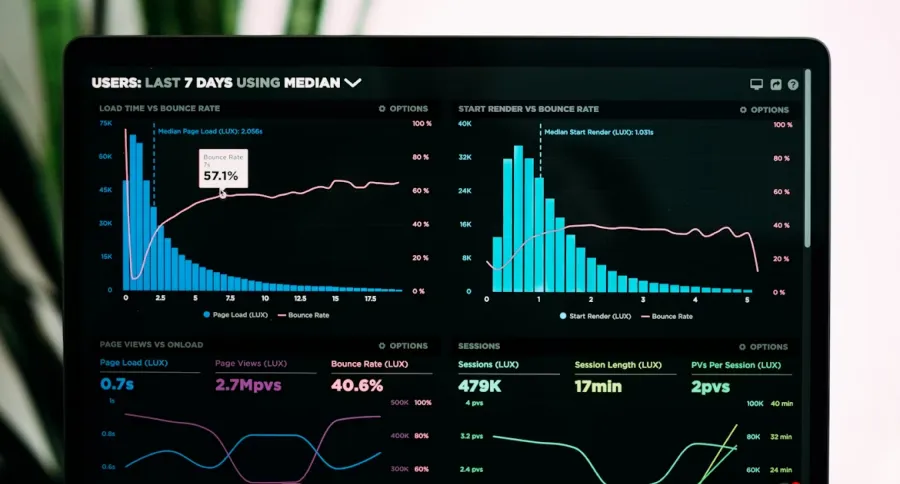
Several tools can help you visualize the connection between social media activity and search performance:
- Google Analytics for tracking social referral traffic and user behavior
- Sprout Social for comprehensive social media performance metrics
- SEMrush or Ahrefs for monitoring keyword rankings and backlink acquisition
- Google Search Console for understanding how your content appears in search
- BuzzSumo for analyzing social performance of content by topic or domain
Integrate these tools when possible to create dashboards that show correlations between social engagement and search visibility.
Setting Realistic Benchmarks for Combined Strategies
When establishing goals for your integrated approach:
- Expect gradual improvements rather than overnight success
- Set separate benchmarks for direct (traffic, engagement) and indirect (brand awareness, sentiment) benefits
- Compare performance to industry averages rather than just competitors
- Allow 3-6 months to see meaningful patterns emerge in your data
- Adjust expectations based on your industry, audience, and resources
Remember that social media often shows immediate engagement metrics, while SEO benefits develop more gradually over time.
7 Common Mistakes in SEO-Social Media Integration
Avoid these pitfalls that can undermine your integrated strategy.
Overlooking Platform-Specific Optimization Techniques
Each social platform has unique characteristics that affect how content performs:
- Failing to optimize preview cards for social sharing
- Using the same image dimensions across all platforms
- Ignoring platform-specific features like Instagram’s alt text options
- Not customizing content descriptions for each platform’s audience
Take time to understand the technical specifications and audience expectations of each platform where you share content.
Neglecting Mobile Experience Across Touchpoints

Mobile optimization affects both search rankings and social engagement:
- Slow-loading pages drive visitors away before they engage
- Non-responsive designs create frustration for social visitors
- Small touch targets make social sharing difficult
- Text-heavy content without visual breaks performs poorly on mobile
With mobile accounting for over 50% of web traffic, optimizing for these users is essential for both SEO and social media success.
Focusing on Quantity Instead of Quality Engagement
Meaningful engagement outweighs raw numbers:
- Chasing follower counts rather than building an engaged community
- Publishing high volumes of content without strategic purpose
- Valuing surface metrics (likes) over deeper engagement (comments, shares)
- Targeting high-volume keywords without considering user intent
Quality signals from highly engaged audiences carry more weight in both social algorithms and search rankings than superficial metrics from passive audiences.
Ignoring Analytics When Adjusting Strategy
Data-driven optimization is essential for continuous improvement:
- Not tracking which social posts drive the most search traffic
- Failing to identify which keywords generate the most social engagement
- Missing opportunities to repurpose high-performing content
- Continuing tactics that show poor results across both channels
Regular analysis allows you to double down on what works and pivot away from underperforming strategies.
Final Thoughts
The most successful digital strategies no longer treat SEO and social media as separate channels but as complementary forces that amplify each other. By creating content that serves both search algorithms and social audiences, optimizing for cross-platform discovery, and measuring the interplay between these channels, you can build a more powerful and cohesive online presence.
Remember that this integration requires consistent effort and ongoing optimization. Start by implementing one strategy from each section of this guide, then expand your approach as you see results. With patience and strategic thinking, the synergy between your SEO and social media efforts will create sustainable growth for your brand’s digital presence.
Free Resources and Tools
Here’s a collection of free resources and tools designed to help you streamline your work, improve efficiency, and grow your online presence.
Tracking Cross-Channel Success
– Google Analytics (free) for comprehensive website performance tracking
– Sprout Social (paid with free trial) for detailed social media analytics
– Google Search Console (free) for search performance insights
– Hotjar (free basic plan) for understanding user behavior
Content Planning Templates for Integrated Campaigns
– HubSpot’s Content Strategy Template
– Sprout Social’s Social Media Calendar Template
– Moz’s SEO Content Template
– CoSchedule’s Headline Analyzer
Community Resources for Continued Learning
– Sprout Social’s Insights blog for social media strategy updates
– Moz’s SEO Learning Center for search optimization techniques
– Search Engine Journal’s webinars on integrated digital marketing
– Social Media Examiner’s podcast for tactical social media advice
FAQs
How do SEO and social media work together?
SEO helps content rank in search engines, while social media spreads that content to wider audiences. Together, they increase visibility, drive traffic, and strengthen brand authority.
How to improve SEO with social media?
You can improve SEO by sharing keyword-optimized content on social platforms, encouraging backlinks through shares, using hashtags strategically, and building consistent brand mentions that signal relevance to search engines.
What is the 5 3 2 rule for social media?
The 5-3-2 rule suggests that out of every 10 posts, 5 should share valuable third-party content, 3 should highlight your own brand or expertise, and 2 should be more personal, fun, or human to connect authentically with your audience.
Which social media platform is best for SEO?
YouTube is the strongest platform for SEO because it’s integrated with Google search results. LinkedIn, Instagram, and Pinterest also perform well for discoverability, especially when posts are optimized with keywords and hashtags.
How does TikTok use SEO?
TikTok applies SEO by indexing keywords in captions, hashtags, and even spoken words in videos. When creators optimize their content, it becomes easier to surface in both TikTok search results and, increasingly, in Google search snippets.

Emi Daniel
Buy an Established Instagram Account
Skip starting from zero. Browse Instagram/TikTok accounts with audiences across many niches.
See Available AccountsRelated articles
-

Meta Ad Library: How to Find and Analyze Competitor Ads
Some ads are easy to ignore until you notice the same brand appearing in your feed again and again. You may start wondering what they are saying,…
18 min readEmi Daniel
-
A Guide to Gen Z Emojis: Speak Their Language on Social Media
Emojis are more than fun add-ons for Gen Z. They can signal humor, irony, tone, and shared cultural references in a few characters. For brands and creators,…
17 min read -
Top 10 Apps Like Pinterest to Try for Free (2026 Guide)
Pinterest used to feel like flipping through someone’s real taste. Lately it feels more like scrolling past ads with a few actual pins mixed in, and a…
21 min read