

Did you know Instagram Reels receive 22% more engagement than regular video posts? This statistic from Meta’s 2025 data highlights why timing your Reels perfectly is more crucial than ever.
The Instagram algorithm decides which content gets seen by millions. It makes these choices in seconds, and your posting time plays a huge role in this decision.
What happens when you post at the right time? Simple! More people see your content immediately. This early engagement tells Instagram your Reel is worth showing to even more users. The result? Your content can go viral.
Buy an Established Instagram Account
Skip starting from zero. Browse Instagram/TikTok accounts with audiences across many niches.
See Available AccountsIt doesn’t end here, as Instagram’s algorithm considers several factors when ranking content. These include user relationships, content type, and timing.
Want to hear a secret? People check Instagram at predictable times throughout the day, such as morning commutes, lunch breaks, and evening wind-down periods are prime times.
Understanding these patterns can transform your Instagram strategy. The good news? Small accounts have grown by thousands of followers using optimal timing alone, and businesses have seen 340% increases in reach by shifting their posting schedule by just a few hours.
In this guide, you’ll learn when to post your Reels for maximum impact and discover how to find your audience’s specific active times. You’ll also learn advanced strategies that top influencers use to guarantee viral growth.
Understanding the Instagram Algorithm for Reels

Let’s be real; cracking the Reels algorithm feels like trying to guess what mood Instagram’s in today. But once you understand what it looks for, you can start playing smarter, not harder.
How Instagram’s Algorithm Prioritizes Reels Content
I think we all noticed that Instagram made major algorithm changes in 2024 and 2025, right?
The platform now favors video content, especially Reels. This shift happened because users spend 30% more time watching videos than viewing photos.
Can you believe it? 30% more time watching and increased engagement!
The algorithm uses “interest prediction” to decide what to show users. It analyzes past behavior to guess what content each person wants to see; so if someone always watches cooking Reels, they’ll see more cooking content.
The algorithm creates competition between posts. When users open Instagram, they see content posted in the last few hours first. Your Reel competes against everything else posted during that time window.
Key Ranking Factors That Influence Reel Visibility
Let me tell you something, and you must listen: The first 30 minutes after posting are critical; this is when the algorithm measures initial engagement velocity.
Watch time and completion rates heavily influence ranking. Reels that people watch all the way through get shown to more users. The algorithm tracks how many people watch your full Reel versus scrolling past quickly.
The next thing to note is that shares, saves, and comments carry more weight than likes because these actions require more effort from users. When someone saves your Reel for later, Instagram sees this as high-value content.
Trending audio can boost your Reel’s visibility; however, timing matters here too. Using trending audio at peak posting times maximizes this benefit.
Let’s not forget about hashtags! They work differently for Reels than regular posts. Reels with relevant, well-performing hashtags get shown to users interested in those topics.
Global Best Times to Post Instagram Reels
If you’ve ever wondered when to hit that post button, timing is everything. The right moment can mean the difference between going viral and getting ignored.
Universal Peak Engagement Windows
Monday through Friday, 6 AM to 9 AM represents the morning commute window, as people scroll Instagram while traveling to work or during morning routines. How about you? Do you check Instagram while making your morning coffee?
Lunch break engagement peaks Tuesday through Thursday, 12 PM to 2 PM. This window works well because people have time to watch longer content. They’re also more likely to engage with comments during lunch breaks.
Now, evenings… that’s a whole different vibe. Wednesday to Friday, 7 to 9 PM, is prime time for people leaving work. They’re done pretending to be productive and just want to laugh at dumb memes!
Weekends? Forget whatever works during the week—it’s chaos! Saturday mornings, 10 AM to 12 PM, capture people during relaxed weekend routines.
Early afternoon, 1 to 3 PM, is when people are just letting themselves be lazy and scrolling for something light before Monday dread kicks in.
Industry-Specific Optimal Posting Times
- Fashion and beauty brands see best results Tuesday through Friday, 1 PM to 3 PM. This timing captures their female audience during lunch breaks and early afternoon scrolling sessions.
- Food and restaurant accounts perform well Thursday through Sunday, 11 AM to 1 PM and 7 PM to 9 PM. Morning posts catch people planning meals, and evening posts reach users deciding what to eat for dinner.
- Fitness content works best Monday through Friday, 6 AM to 8 AM and 5 PM to 7 PM. These times align with workout schedules. People often watch fitness content before or after exercising.
- Business and professional content succeeds Tuesday through Thursday, 8 AM to 10 AM and 12 PM to 2 PM. Weekday posting reaches working professionals during business hours.
- Entertainment content thrives Wednesday through Friday, 7 PM to 9 PM, and weekends, 8 PM to 10 PM. These are peak leisure consumption times when people actively seek fun content.
What Are the Best Times to Post a Reel on Instagram? (Chart Explained)
| Day | Best Times to Post (Your Local Time) | Why It Works |
| Monday | 6 AM – 9 AM | Morning commute and routine scrolls |
| Tuesday | 12 PM – 2 PM 1 PM – 3 PM | Lunchtime + great for fashion, beauty, and business content |
| Wednesday | 7 PM – 9 PM 8 PM – 10 PM | Evening chill + top time for entertainment Reels |
| Thursday | 12 PM – 2 PM 7 PM – 9 PM | Midday + evening = peak food and lifestyle engagement |
| Friday | 6 AM – 9 AM 7 PM – 9 PM | Morning scroll + Friday night relaxation |
| Saturday | 10 AM – 12 PM 1 PM – 3 PM | Brunch scrolls and lazy afternoon swiping |
| Sunday | 1 PM – 3 PM 8 PM – 10 PM | Afternoon relax + heavy nighttime usage before the week begins |
How to Find Your Personal Best Times to Upload Instagram Reels
Finding your best times to post is a game-changer because every audience is unique; what works for others might not work for you, so digging into your data is where real growth begins.
Using Instagram Insights for Personal Analytics
Instagram provides detailed audience activity data through the “Professional Dashboard” section. Switch to a business or creator account to access these insights. It’s worth it, as the data shows exactly when your followers are most active.
Here’s how to access these valuable insights:
Step 1- Open Instagram and go to your profile.
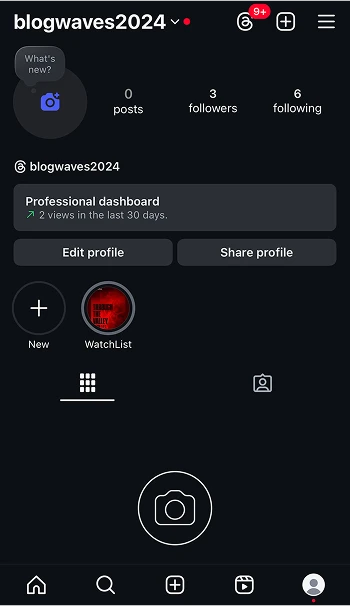
Step 2- Tap on “Professional dashboard.”
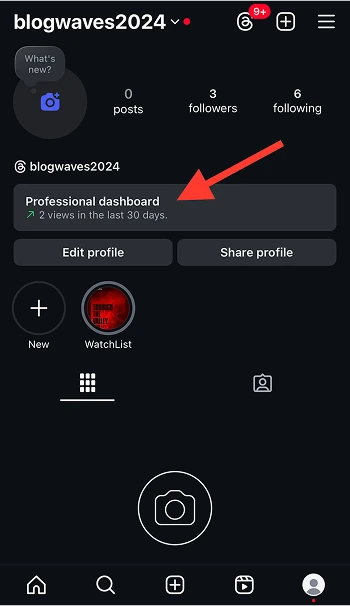
Step 3- Tap “New followers” and scroll the menu.
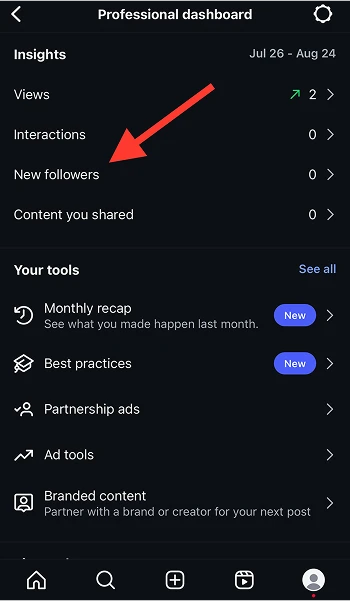
Step 4- Now, you can see a chart of your followers’ most active times during a week.
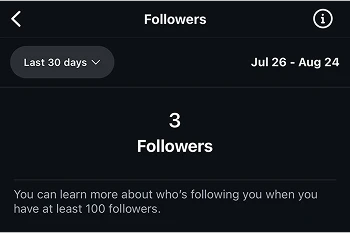
Weekly activity patterns show which days work best for your content. Some audiences are most active on weekdays, while others prefer weekend engagement.
Note that your industry and audience type influence these patterns.
Believe me! The professional dashboard provides valuable information that will help you beyond learning about post timing! Make sure you use it and keep an eye on its new features!
Third-Party Analytics Tools Comparison
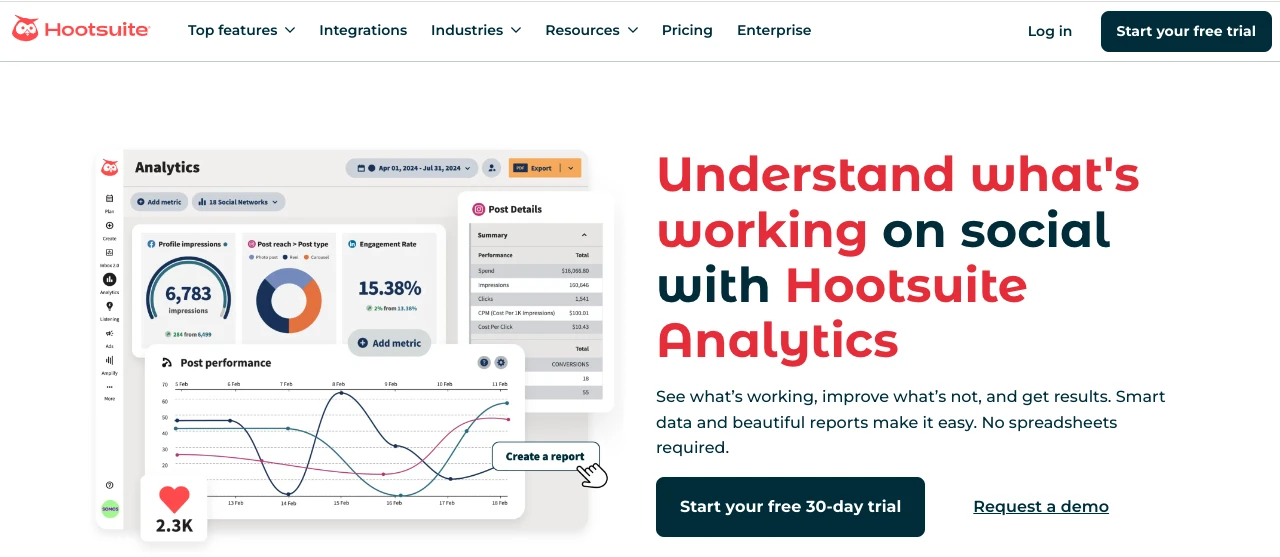
If you think using Instagram’s features won’t help you as you expect, you can always rely on using helpful third-party tools; here are some of the most common ones:
Hootsuite‘s best time feature analyzes your historical posts to suggest optimal timing. It considers your specific audience behavior and past performance data. The tool costs $99 monthly but provides detailed scheduling recommendations.
Later offers free optimal timing suggestions based on your posting history. Their paid plans include advanced analytics and automatic best-time scheduling, starting from $16.67.
Sprout Social provides comprehensive audience analysis capabilities. Their tool tracks engagement rates by posting time and suggests improvements. It’s expensive at $249 monthly but offers enterprise-level insights.
Buffer tracks engagement rates by posting time and day. Their analytics show which times generated your best-performing content. The basic plan costs $5 monthly and includes essential timing data.
Note that free tools have limitations, but still provide valuable insights.
How to Create Your Custom Instagram Posting Schedule
It is recommended to start with a 30-day testing methodology. Post similar content at different times and track performance; remember to use identical hashtags, captions, and content quality to ensure fair testing.
A/B test different time slots systematically. Week one, test morning posts. Week two, try lunch hours. Week three, experiment with evening timing. Week four, test weekend schedules.
It is better to track multiple metrics, not just likes. Monitor reach, engagement rate, saves, and shares by posting time. Sometimes, it might generate more likes but fewer saves, and others might drive higher reach but lower engagement.
Lastly, build your personalized weekly posting calendar based on results. You might discover Tuesday mornings and Thursday evenings work best for your audience.
Want a real-world example? A small business owner tested this approach with her handmade jewelry account. She discovered her audience was most active at 10 PM on weeknights, completely different from industry recommendations.
This timing insight helped her reach 25,000 followers in six months. Try it! You may be the next one!
Audience-Specific Timing Strategies

Not all audiences scroll the same—timing your posts by age group can seriously boost engagement, because let’s be honest, a teenager’s feed habits are nothing like their mom’s.
Best Times to Post on Instagram Based on Age Groups
- Gen Z users (ages 16-24) are most active during after-school and evening hours. So, 3 to 4 PM is buzzing, and then again at 7 to 8 PM. And honestly, don’t be surprised if you catch them meme-hunting at 1 AM. Sleep? Who needs it?
- Millennial audiences (ages 25-40) follow work-life patterns. Their phones light up during the morning commute, like 7 to 9 AM, probably while chugging coffee and dodging existential dread! Then they disappear into adulting until about 8 to 10 PM, when the kids are (hopefully) asleep and they can finally scroll in peace.
- Gen X and Baby Boomers prefer daytime posting. They’re most active from 10 AM to 12 PM and 7 PM to 8 PM. They’re more about that morning sunshine and early evenings, keeping it wholesome.
Feel free to run a poll or use Instagram’s professional dashboard to see how old your followers are to set a schedule that covers each generation’s preferences.
How User Behavior Shapes Instagram Reel Engagement
Morning scrollers check Instagram first thing after waking up. They want inspirational, motivational, or news content. This audience responds well to educational Reels and daily routine content.
Evening browsers seek entertainment and relaxation. They have more time to watch longer Reels and engage with comments. This audience prefers funny, interesting, or visually appealing content.
Commuter engagement patterns vary by location. Urban audiences with public transportation commutes are highly active during travel times. Suburban audiences who drive show different patterns with peaks before and after commute hours.
Work-from-home users have more flexible Instagram usage throughout the day. They might check during short breaks or lunch. Office workers show more concentrated usage during specific break times.
Seasonal and Event-Based Timing Adjustments
Did you know that holiday seasons change Instagram usage patterns? December posting should happen earlier in the day, as people attend parties and events in the evenings, while summer schedules shift with vacation patterns and later sunset times.
Back-to-school periods in August and September create new routine patterns. Students and parents adjust their schedules, affecting optimal posting times. Monitor your analytics during these transition periods.
Cultural events and trending moments create temporary optimal posting opportunities. During major sports events, awards shows, or news events, real-time posting can capture massive engagement.
What Is the Psychology Behind Peak Engagement Times on Instagram?
People scroll Instagram differently throughout the day. Mornings are for motivation and learning—users want to start their day feeling inspired.
Midday breaks offer short escapes, so quick, entertaining Reels do best. Evenings are all about winding down, which is why fun, emotional, or visually rich content sees the most interaction.
Weekends? Users are relaxed and have more time, making them more likely to watch longer content and explore new creators.
Time Zone Optimization Tips to Maximize Your Instagram Reach

- Know Where Your Audience Lives
Seriously, if you’re not checking your Instagram Insights to see where your followers are chilling, what are you even doing? Focus your posting schedule around your largest audience segments, especially EST and PST if you’re targeting the U.S.
- Post for Multiple Time Zones, Not Just One
People aren’t all living in your backyard, shocker! If your followers span across the U.S., Europe, or Asia, don’t rely on a single time slot. Try something like 2 PM EST (that’s 7 PM GMT if you’re feeling international) to catch both your American and European followers in one go.
- Adjust Based on Industry Location
Tech or entertainment brand? Prioritize Pacific Time. Targeting fashion or finance? Eastern Time works best. Tailor your schedule to fit where your niche lives and works.
- Consider Local Routines in Global Markets
European users are most active during lunch (12–2 PM GMT) and early evening (6–8 PM GMT). In Asia, aim for commute hours (7–9 AM) and post-work wind-downs (8–10 PM local time). Latin American followers peak 7–10 PM with weekend scrolls extending late.
- Schedule, But Still Show Up
Automation is great, but don’t ghost your audience. Even with scheduled posts, hop into the comments and engage in real time. The algorithm rewards real interaction.
- Test and Tweak Regularly
Audience behavior shifts. Holidays, school schedules, and global events can all impact when people scroll. Monitor analytics monthly and adjust your timing strategy accordingly.
Common Timing Mistakes That Kill Viral Potential

Timing mistakes can quietly sabotage your chances of going viral—knowing when your audience is online is way more important than following generic “best times.”
Posting When Your Audience Is Offline
The biggest timing mistake is posting when your specific audience isn’t active. Many creators follow generic advice instead of analyzing their audience data. This leads to posting during their followers’ sleep or work hours.
Competition saturation during widely known “peak” times can hurt performance. If everyone posts at 7 PM, your content competes against maximum volume. Sometimes posting 30 minutes earlier captures the audience’s attention before the rush.
Oversaturation occurs when you post too frequently during your peak times. If your best time is 7 PM on Tuesday, don’t post every Tuesday at 7 PM. Rotate between your top 3-4 optimal times to avoid overwhelming your audience.
Ignoring Long-Term Performance Data
Many creators rely solely on general best practices without analyzing their personal performance data. Note that your audience might have completely different optimal times than industry averages.
Failing to adapt to audience behavior changes costs engagement over time. Your followers’ schedules change with seasons, life events, and platform usage evolution.
Not tracking posting time ROI means missing optimization opportunities. Track metrics like reach per follower and engagement rate by posting time. This reveals which times generate the best return on your content investment.
Platform-Specific Timing Confusion
Applying Facebook timing strategies to Instagram creates poor results, as each platform has unique usage patterns that require separate strategies.
TikTok optimal times often differ from Instagram Reels timing. TikTok users skew younger and stay active later at night. Instagram has broader demographic usage throughout the day.
Don’t assume timing strategies transfer between platforms.
Cross-platform scheduling without platform-specific optimization wastes opportunities. Each platform’s algorithm and user behavior requires customized timing approaches.
Tips to Measure and Improve Your Timing Strategy
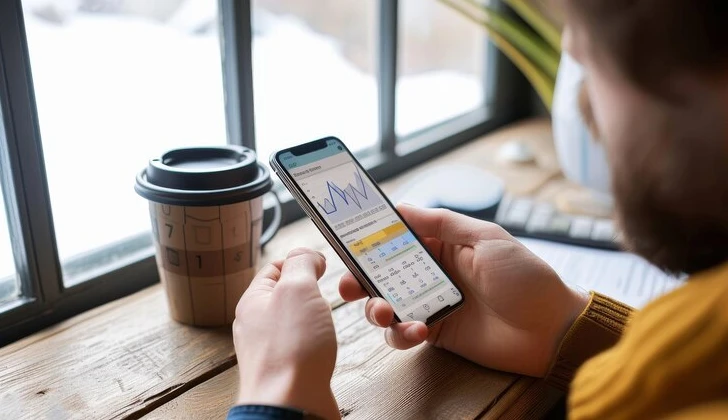
- Track engagement by time: Measure likes, comments, and shares divided by reach to identify your highest-performing posting windows.
- Analyze saves and shares: Saves show value; shares reflect impact. Timing influences both, watch when your audience finds content most worthy of keeping or passing on.
- Monitor follower growth: Pay attention to how follower count increases after posting at different times. Consistency during peak times often drives steady growth.
- Review performance monthly: Look for patterns across multiple posts at the same time—not just one-off results.
- Test and expand top times: If 7 PM works, try 6:30 or 7:30 with similar content to stretch the performance window.
- Adjust as you grow: A growing audience may have changing habits—keep refining your schedule as your reach expands.
Future of Instagram Timing and Algorithm Evolution

Instagram’s algorithm is changing fast, and so is the way we think about the “best time to post.”
As the platform gets smarter with personalization, your content might start showing up when each follower is most likely to see it, no matter when you post.
That means timing could become less about fixed schedules and more about posting great, relevant content.
At the same time, trending topics and real-time events are gaining power in the feed. If you post about what’s hot right now, Instagram is more likely to boost it, even if it’s outside your usual window.
The bottom line? Stay flexible, keep learning what works for your audience, and be ready to adapt as the platform evolves.
Conclusion
Timing your Instagram Reels right can seriously boost your reach and engagement—but the real secret is knowing your audience, not just following generic tips.
Use Instagram Insights to find when your followers are most active, try posting at different times, and track meaningful metrics like engagement, saves, and shares.
Remember, great timing won’t fix weak content, and amazing content can still get missed if posted at the wrong time.
Be consistent with your posting schedule, but stay flexible as your audience and the Instagram algorithm change. Start by picking one or two peak times, post consistently for a couple of weeks, then adjust based on how your content performs.
FAQs
What is the best time to post Instagram Reels for maximum engagement?
While general best times are Tuesday-Thursday, 11 AM-2 PM and 7 PM-9 PM, your optimal posting time depends on your specific audience. Use Instagram Insights to analyze when your followers are most active, as this data is more valuable than generic recommendations.
Do weekends have different optimal posting times for Instagram Reels?
Yes, weekend patterns differ significantly. Saturday peak times are 10 AM-12 PM and 7 PM-9 PM, while Sunday sees the highest engagement from 1 PM-3 PM and 8 PM-9 PM. Weekend audiences are more leisure-focused, so entertainment content performs better.
Should I post at the same time every day for consistency?
Consistency helps build audience expectations, but rigid scheduling isn’t necessary. Instead, maintain consistent posting within your audience’s peak activity windows. Vary the times within these windows to test and optimize performance.
Can posting during off-peak times help my Reels perform better?
Sometimes yes – posting during less competitive times can reduce the saturation in users’ feeds, giving your content more visibility. Test posting 1-2 hours before your peak times to capture early engagement momentum.

Emi Daniel
Buy an Established Instagram Account
Skip starting from zero. Browse Instagram/TikTok accounts with audiences across many niches.
See Available AccountsRelated articles
-
How to Clear Instagram Cache on iPhone, Android & Desktop
Instagram can quietly build up a lot of temporary files while you scroll through Reels, watch Stories, save posts, and upload your own content. You may not…
12 min readEmi Daniel
-
How to See Who Reposted Your Instagram Post (2026 Guide)
Someone reposted your Instagram post, but you have no idea who it was. You check notifications, search through your profile, and still cannot find a clear answer. …
18 min read -
How to Reset Instagram Algorithm in 2026
Instagram can start showing too much of the same type of content. Your Explore page may no longer match your interests, Reels may feel repetitive, or suggested…
12 min read