

What is the future of influencer marketing in 2025? The influencer marketing industry has seen great growth during the last year. Businesses are currently making an average of $6.50 for every $1 they spend on influencer marketing.
The best way brands have changed is by working with micro-influencers. These influencers have between 10,000 and 100,000 followers on social media.
Micro-influencers are important for brands that want to reach specific, smaller groups of people. This is true even if macro-influencers have millions of followers.
Buy an Established Instagram Account
Skip starting from zero. Browse Instagram/TikTok accounts with audiences across many niches.
See Available AccountsBy looking at 20 top brands from different industries, this post shows how brands are working with micro-influencers in 2025.
These partnerships are not only for reaching audiences. They also focus on making sure there is a cultural fit. A key goal is to create content that people can relate to. Read on to learn more about the top 20 brands partnering with micro influencers.
Why Do Brands Collaborate with Influencers?
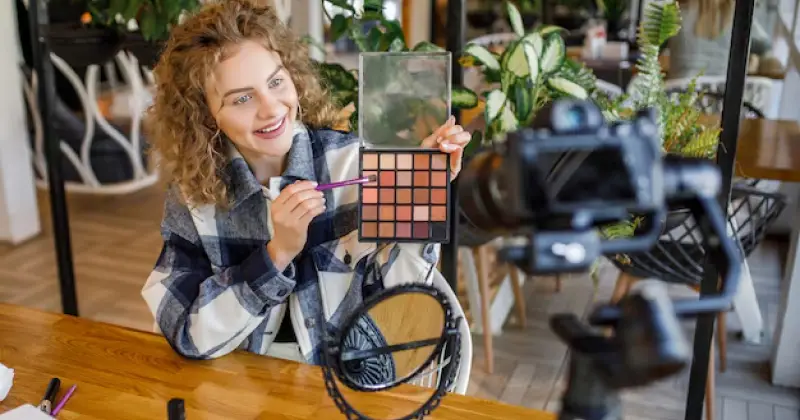
Working with influencers can be a game-changer for brand visibility. One huge advantage is the potential reach, as influencers have built-in, engaged audiences that traditional ads might not tap into.
Moreover, you can align with influencers whose followers really match your target audience. This increases the chances of attracting interested, qualified customers.
When influencers endorse brands, their fans truly trust those recommendations. This trust reflects positively on how people perceive your company, building credibility. Increased trust often leads to more sales in the long run.
Compared to other marketing strategies, partnering with influencers is often very cost-effective. It provides a flexible, affordable solution. The payoffs can significantly outweigh the costs.
Partnering with influencers who’ve built loyal followings opens up major opportunities for exposure, targeting the right audience, and boosting how your brand is perceived. It’s definitely worth exploring for most businesses.
Partnering with Micro Influencers
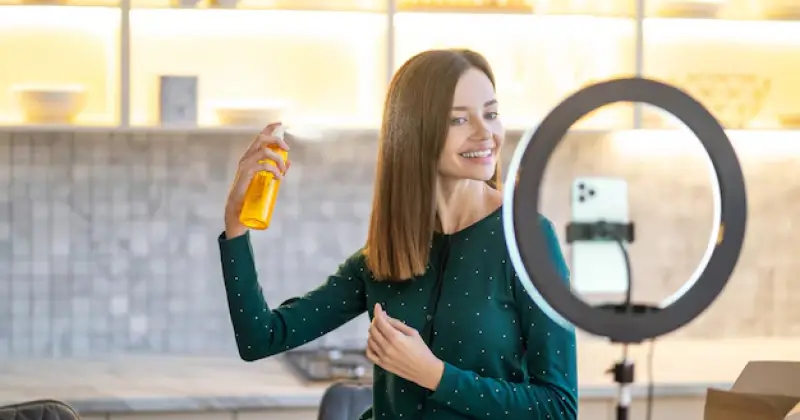
Partnering with influencers can do wonders for raising any brand’s profile. While macro influencers with follower counts in the hundreds of thousands or millions offer massive reach, brand owners should expect to pay a lot of money for that level of exposure.
Micro influencers, on the other hand, have anywhere from a few thousand followers up to 50,000. Although this may not seem significant compared to macro influencers, what micro-influencers lack in reach, they more than make up for in engagement. Their fans are highly loyal and pay close attention to their recommendations.
Because their audiences are limited, small influencers tend to build tight-knit communities centered around specific interests. This makes them excellent for targeting very specific demographics. When they endorse or review a product, it comes across as highly authentic since their followers see them as relatable people.
Moreover, partnering with micro-influencers is budget-friendly compared to collaborating with a huge celebrity. Sometimes, having a smaller but highly engaged group is better for brand goals than just blasting the message out to the masses.
Thus, brand owners should not overlook the potential of micro-influencers. Whether teaming up with someone big or small, influencers in general can be hugely beneficial for brands.
Top 20 Brands Partnering with Micro Influencers in 2025
In 2025, the top 20 influential brands are strategically partnering with micro influencers to drive engagement, create authentic connections, and enhance their marketing efforts through targeted and relatable endorsements.
Asos
Micro influencers have been successfully employed by Asos, a company that operates within the online fashion retail market. The “Asos Insiders” program is an essential element of their strategy; it consists of influencers from different sub-niches of fashion who create their own pages on the Asos platform and social media.
Such influencers offer style tips, flaunt outfits, and talk about the latest fashion trends, incorporating Asos’ products into their videos. This approach facilitates the presentation of Asos to a diverse demographic and addresses various consumer preferences, ranging from streetwear to formal and classy styles.
In turn, the current diversity within the insider group will help Asos to promote the versatility of its product range to as many segments as possible.
Glossier
Glossier has used a simple and authentic marketing approach and thus has significantly benefited from partnering with micro influencers. Typically, they work with influencers who share the brand’s “skin first, beauty second” mentality, introducing Glossier as a makeup brand that prioritizes skincare.
These people show how they apply their makeup and care for their skin using Glossier products, often opting for a minimal and ‘no-makeup’ look. Initiatives like the pink campaign also promote influencers’ favorite products, allowing for greater brand personalization.
This approach has enabled Glossier to build a community that trusts product reviews and authentic usage, thereby boosting the brand’s credibility.
Glossier has expanded its influencer partnerships to include nano-influencers in addition to micro-influencers. In 2025, they focus on authenticity and minimalistic beauty. In general, they prefer to collaborate with influencers who emphasize skin care rather than makeup.
Lululemon
Lululemon focuses on partnering with micro influencers to promote the brand’s values of physical activity, spirituality, and community. Yoga teachers, fitness trainers, and wellness promoters create this type of content and share it with their audiences.
Through these ambassadorships, Lululemon provides its brand ambassadors with early access to new merchandise and events, which they share on their social media platforms. This strategy not only enhances shelf-space and brand awareness, but also ensures that Lululemon is recognized as a brand that encourages individual and societal growth.
The content shared by these influencers, which includes workout tips, meditation techniques, and personal experiences, is highly engaging and relatable.
Honest Paws
Pet wellness product company Honest Paws identifies micro influencers to reach a highly engaged niche audience interested in pet care.
By partnering with pet bloggers, veterinarians, and other pet enthusiasts, Honest Paws effectively communicates with its target market and introduces its range of CBD products and supplements in an appealing manner.
These influencers share detailed descriptions of how various Honest Paws products benefit their pets, providing personal stories about the positive effects.
This strategy not only builds trust but also creates a sense of familiarity among those looking for natural and effective ways to maintain their pets’ health.
Blue Apron
As a market leader in the meal kit delivery service industry, Blue Apron has effectively utilized micro influencers to highlight the convenience and quality of its meal kits.
Currently, the brand actively works with food bloggers, chefs, and nutritionists who share the results of cooking dishes with Blue Apron kits. It may feature such information as baked meals’ illustrated preparation procedures, the analyzed nutritional value of each ingredient, and the benefits of home-cooked meals as opposed to ready-made options.
Thus, by targeting audiences who are passionate about cooking and knowledgeable about healthy food, Blue Apron portrays itself as the convenient option for those who do not want to lose time on cooking and at the same time want to get tasty and nutritious meals.
This strategy has been effective in reaching out to busy professionals and those committed to a healthy lifestyle.
Lush Cosmetics
Lush Cosmetics is famous for its commitment to cruelty-free practices and environmental sustainability in all its products. The brand collaborates with micro bloggers who adhere to these values, often focusing on ethical beauty and environmental protection.
These influencers create content that not only highlights Lush products but also educates their audience about the company’s inspirations and practices. For example, influencers might discuss the need to use natural materials or the benefits of Lush’s packaging-free products.
This approach has helped Lush build a loyal customer base that values sustainability and ethical practices, integrating these principles into their own lives.
Peloton
Widely recognized for its high-end exercise equipment and virtual workout sessions, Peloton collaborates with micro influencers to deepen its reach in the fitness market.
The brand works with fitness enthusiasts, trainers, and wellness experts who provide authentic content and reviews to present Peloton products and services.
These influencers often share their personal fitness journeys and transformations achieved using Peloton equipment. Other than boosting sales, this strategy creates a sense of community among Peloton riders and enhances the brand’s image as a disruptive force in the home fitness industry.
Thinx
The sustainable underwear brand Thinx collaborates with micro influencers in order to destigmatize menstruation and position itself as a supportive companion for women. These influencers are typically advocates for women’s health, body positivity, or women’s rights.
They create content that demonstrates the use of Thinx products in everyday life and share their real-life experiences.
This approach not only helps demystify menstruation but also positions Thinx as a feminist brand committed to women’s health. Social media is beneficial for Thinx since it employs bloggers who are genuinely engaged with the topic and only share positive content.
Pura Vida Bracelets
Organizations like Pura Vida Bracelets have done a brilliant job by using fashion to support philanthropy. The brand collaborates with micro influencers and works with stylish and inspiring pieces of stylish, handcrafted accessories that come with inspiring stories about the initiatives behind them.
Influencers promote content that appeals to the audience and, at the same time, supports the Pura Vida brand through appropriate hashtags and calls-to-action, encouraging their followers to donate to specific charitable organizations.
This approach appeals to consumers who are concerned about the social and environmental impact of their purchases, helping Pura Vida build a loyal customer base committed to making a positive difference.
Daniel Wellington
Micro influencers are highly valuable for brands that need to keep a modern and sophisticated image. Daniel Wellington, a brand known for its minimalist watches, is an excellent example of a company actively working with micro influencers.
Currently, the brand partners with fashion influencers who wear Daniel Wellington watches during their daily activities, thus proving that the items can fit any occasion.
The influencers are also provided with codes through which they can enjoy an exclusive discount for their followers to encourage them to make a purchase while at the same time enabling the effectiveness of the campaign to be measured.
Therefore, by targeting these style-focused personalities, Daniel Wellington ensures its products are promoted to an audience that appreciates the brand’s simple yet elegant designs.
Rovux Footwear
Micro influencers play an important role for Rovux Footwear, a company specializing in fashionable and comfortable shoes. The brand provides influencers with pairs of shoes, often under the agreement that they will post pictures wearing them in various settings.
These influencers usually post content that reflects on how luxurious and comfortable their Rovux shoes are to persuade the younger generation who value style and quality to buy the brand’s products.
By promoting their products by lifestyle influencers, Rovux company introduces itself as a trendy and affordable footwear brand. This can be appealing to a fashion-conscious audience.
Sunny Co Clothing
Sunny Co Clothing Company primarily produces swimwear and other casual apparel. One major marketing strategy that the brand has used so far is the ”Sunny Co Babe” program, which is partnering with influential people on social media platforms to advertise its products.
The brand emphasizes interactivity, encouraging influencers to submit bright and eye-catching photos that reflect the brand’s beach vacation vibe. Influencers receive free products and discounts, which they share on their social media accounts.
This strategy has effectively strengthened Sunny Co’s brand identity and built a community among younger consumers who are drawn to the brand’s fun and adventurous spirit.
MAC Cosmetics
MAC Cosmetics works with micro influencers who are deeply engaged with the beauty community and whose posts offer valuable makeup and beauty advice.
The brand often partners with these influencers for special product releases, makeup tips, tricks, and challenges. By working with influencers who are knowledgeable about MAC products and makeup in general, MAC ensures that its products are promoted effectively and engagingly.
This strategy serves as an effective means of product promotion, indicating the diverse ways MAC products can be used to create unique and professional looks.
Mulu Jewelry
The Malaysian-based Mulu Jewelry, which specializes in selling differentiated and custom-made jewelry, works with micro influencers who have a genuine interest in handcrafted accessories.
These influencers are selected for their well-defined fashion preferences and passion for stylish accessories. They create videos, photos, and other content that demonstrate how Mulu Jewelry products may be used in everyday life and during various important events.
This strategy not only captures consumer attention with eye-catching jewelry but also appeals to those looking for distinctive accessories. Overall, by employing different campaigns with the help of these influencers, Mulu Jewelry effectively engages a highly specific target audience interested in fashion.
Kona Surf Co.
Kona Surf Co. enhances its brand by integrating the core ethos of surfing and coastal living with the help of the micro-influencers. This is because the company works hand in hand with surfers, skaters, and outdoor enthusiasts who often post images wearing Kona’s surfboards, clothing, and accessories.
These influencers share their excitement and experiences with fans while testing the durability and style of Kona products in settings like the beach or skate parks.
By employing authentic tools and tactics, Kona Surf Co. appeals to a community that follows an adventurous and free-spirited lifestyle.
This strategy of using real experiences from these influencers helps Kona Surf Co to sell to a target audience that has lots of interest in the surfing subculture and is also eager to buy appropriate equipment.
Fabletics
Fabletics, a brand specializing in high-quality and stylish workout wear, effectively utilizes a membership system promoted through micro influencers.
The company works with popular fitness enthusiasts and lifestyle bloggers who show how Fabletics apparel can be worn throughout the day. They usually promote this aspect of the brand by illustrating the flexibility of the outfit, and the ease with which one outfit can be transformed into another in the course of the day.
Some of the strategies that Fabletics employs are the use of exclusive offers and discounts that are shared by influencers to join the membership program.
This strategy not only encourages customers to make the expected purchase, but it also creates a community of customers who value both performance and aesthetic appeal in their exercise apparel, and appreciate the budget-friendly exercise options.
Outdoor Voices
Outdoor Voices promotes a recreational approach to fitness, collaborating with micro influencers who emphasize the enjoyment of physical activity rather than competitive aspects.
The influencers promoting this brand may include hiking enthusiasts, casual exercisers, and other active people. Outdoor Voices celebrates and encourages all-terrain exercise to encourage people to engage in outdoor activities for both physical and mental well-being.
Thus, by partnering with influencers who promote a healthy and fun approach in their workout routines, the brand appeals to the community of users who are searching for motivation in their daily fitness routines.
Allbirds
Micro-influencers are present in the market, and Allbirds, a company that produces sustainable footwear, identifies and works with those who are truly concerned with environmental conservation and sustainable living.
The brand collaborates with environmentally conscious bloggers and individuals promoting sustainable living and sustainable consumption.
They highlight the origins of Allbirds shoes and demonstrate how the natural materials used in the production of these shoes contribute to minimizing environmental impact.
Thus, by amplifying these voices, Allbirds not only successfully advertises its products, but also raises awareness among consumers about the importance of choosing sustainable and eco-friendly products.
By doing so, the brand positively targets a growing number of consumers who prioritize sustainability, reinforcing its commitment to environmental responsibility.
Warby Parker
Warby Parker has revolutionized the eyewear industry by offering stylish and affordable glasses online. The brand collaborates with micro influencers who can represent the brand with a contemporary and erudite vibe that is typical of micro influencers from the fashion, literature, and technology sectors.
These influencers briefly talk about the Warby Parker home trial service and touch upon the quality and appearance of the eyeglasses. Their content often includes personal testimonials and customer feedback, making the purchasing process clearer and more relatable.
By targeting a broad audience while emphasizing the fashion statement of both sunglasses and regular glasses, Warby Parker effectively appeals to consumers who are looking for both style and practicality.
Everlane
As a brand that claims to offer transparency and sustainability in fashion, Everlane works with micro influencers who share these values. It collaborates with creators whose content creation reflects environmental awareness and sustainable consumption of clothing products.
These influencers are instrumental in posting content that not only promotes the Everlane brand but also goes further to explain the brand’s policies regarding the origin of their products, their commitment to paying a living wage, and recycling efforts.
This collaboration assists Everlane in introducing a sense of credibility to consumers who are becoming more conscious of their purchase’s influence on the environment and society.
What are the best strategies for attracting brand collaborations as a micro influencer?
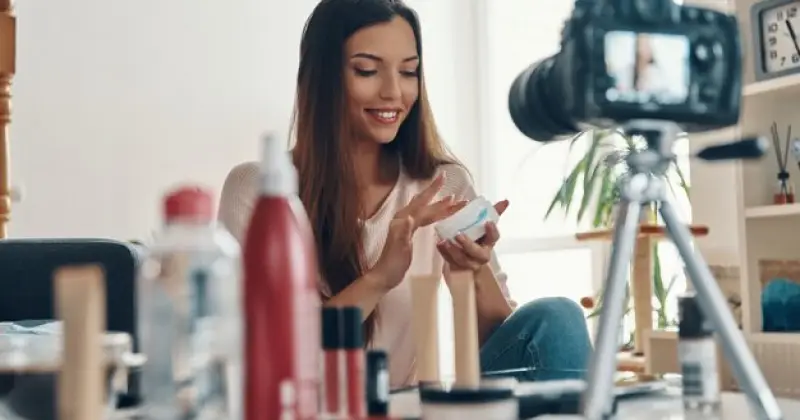
As a micro influencer, you should focus on building a strong personal brand, creating high-quality content, engaging with target brands, and demonstrating your unique value and audience engagement. Here are some more useful strategies:
- Use Relevant Hashtags: Include popular and specific niche hashtags in your posts to increase visibility and attract the attention of brands looking for influencers in your domain.
- Tag and Mention Brands: Tag or mention brands in your posts, especially when using their products, to get noticed by their social media teams.
- Create Brand-Specific Content: Develop content that aligns with the aesthetics and values of the brands you want to work with, indicating how their products fit efficiently into your lifestyle.
- Engage with Brand Posts: Like, comment on, and share posts from brands you’re interested in collaborating with to show your genuine interest and support.
- Participate in Brand Campaigns: Join brand-hosted challenges, contests, or campaigns to increase your chances of being noticed and considered for future collaborations.
- Use Influencer Platforms: Sign up on influencer marketing platforms like AspireIQ, Tribe, or Influencity to connect with brands actively looking for micro-influencers.
- Build a Professional Media Kit: Create a media kit that includes your bio, audience demographics, engagement metrics analysis, and examples of past collaborations to present to potential brand partners.
- Highlight Your Engagement Rates: Emphasize your high engagement rates in your profile and pitches, as brands often prioritize engagement over follower count for micro-influencer collaborations.
- Post Authentic Reviews: Post authentic reviews and testimonials of products you genuinely love, tagging the brand to demonstrate your influence and reliability.
- Stay Consistent and Authentic: Consistently post high-quality content and stay true to your personal brand to attract brands that value authenticity and quality in their partnerships.
Final Thoughts
Offering many advantages including tailored reach, higher engagement rates, and increased authenticity, the trend of companies collaborating with micro influencers continues to grow. This approach has shown to be especially successful in 2025 as companies try to establish closer, more personal relationships with their consumers and connect with specialized markets.
With their smaller but highly engaged audiences, micro influencers provide companies with a platform for more direct and meaningful communication. Their relevant content and genuine testimonies significantly boost a brand’s credibility and consumer confidence.
The genuineness and relevance of the influencer’s content to their followers will determine how successful these partnerships are. Companies that match their principles with those of the influencers they work with are more likely to build authentic connections and build a loyal customer base.
Micro-influencer relationships are a great tactic for companies trying to remain relevant and engaged with their consumers since the digital terrain keeps changing and the value of authenticity and transparency in marketing continues to grow.
Ultimately, micro influencers are not only a passing trend but also a cornerstone of contemporary digital marketing strategies. Brands that properly use micro influencers will probably continue to be successful in building trust, encouraging engagement, and finally increasing sales as consumers search for authenticity and meaningful connections.
Setting a standard for future marketing initiatives, the twenty brands highlighted in this post show the several ways in which micro influencer relationships can be used across different sectors.
Frequently Asked Questions (FAQs)
Here are some frequently asked questions about brands partnering with micro-influencers in 2025:
What platforms are most effective for micro-influencer marketing?
The most effective platforms for micro-influencer marketing are Instagram, YouTube, TikTok, and Twitter. These platforms are popular due to their visual nature, high engagement rates, and the ability to share diverse types of content such as photos, videos, and stories.
How can micro-influencers negotiate better deals with brands?
Micro-influencers can negotiate better deals by demonstrating their engagement rates, the loyalty of their audience, previous successful partnerships, and providing a media kit with detailed analytics. Presenting how their content aligns with the brand’s goals and offering creative ideas for the campaign can also help in negotiations.
Can micro-influencers collaborate with multiple brands simultaneously?
Yes, micro-influencers can collaborate with multiple brands simultaneously as long as they manage to maintain authenticity and transparency. They should avoid conflicts of interest by not promoting competing products and should space out posts to keep their content varied and engaging.
How can brands ensure they are choosing the right micro-influencers for their campaigns?
Brands can ensure they choose the right micro-influencers by researching the influencer’s audience demographics, engagement rates, previous brand partnerships, and the quality and authenticity of their content. Tools like influencer marketing platforms can also help identify suitable influencers.
How do brands track the Return on Investment (ROI) of micro-influencer campaigns?
Brands track the ROI of micro-influencer campaigns by using unique discount codes, affiliate links, tracking pixels, and analyzing sales data linked to the campaign. They also monitor engagement metrics, follower growth, and traffic to their website or social media pages generated from the influencer’s posts.

Emi Daniel
Buy an Established Instagram Account
Skip starting from zero. Browse Instagram/TikTok accounts with audiences across many niches.
See Available AccountsRelated articles
-
Instagram Hashtags That Actually Work in 2025: Strategy, Research & Reels
Instagram posts with hashtags see 70% higher engagement rates and 12.6% more reach than those without. Yet most Instagram users struggle with hashtag strategy in its complex…
25 min readEmi Daniel
-
Top 30 Black Instagram Models to Follow in 2025
Black models are among the most followed in the industry on Instagram. A great example is “Naomi Campbell,” who has over 15 million followers. The main reason…
22 min read -
Good Times to Post on IG: Maximize Engagement and Reach in 2025
Your Instagram posts are getting lost in the noise. Since 2020, engagement rates have dropped by 30% across the platform. This means timing your posts has never…
27 min read