

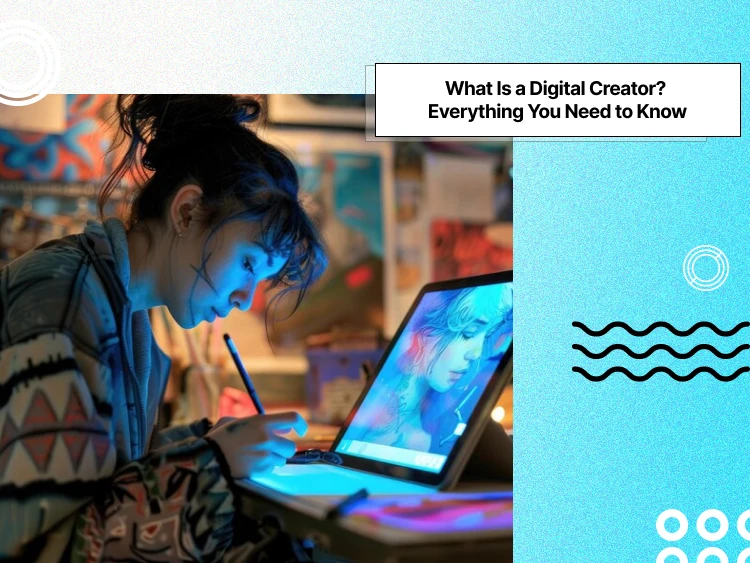
The digital creator is now a key term of our time. This person produces and shares content on digital platforms.
There are estimated to be over 50 million creators globally. This shows how easy it is to create content and use online platforms to start a business. This content takes many forms. Videos and blogs on social media posts and podcasts are the most popular ones.
Digital creators build the online experiences that millions enjoy every day. They play a crucial role in shaping cultural trends and influencing consumer behavior.
Buy an Established Instagram Account
Skip starting from zero. Browse Instagram/TikTok accounts with audiences across many niches.
See Available AccountsDigital creators connect brands and the people who see them. They can do it through an edited YouTube video or a viral TikTok trend.
The growth of the creator economy has made them even more important. They use their own unique style to create a personal brand.
These platforms allow creators to turn what they love doing into a way to earn a living. They connect directly with their audience without using traditional media channels.
Digital creators adapt quickly to changing algorithms and audience preferences. They influence global trends and behaviors in many different industries around the world.
Digital creators are the storytellers and educators of our era. Their stories are meaningful to audiences worldwide.
Evolution of the Digital Creator Role
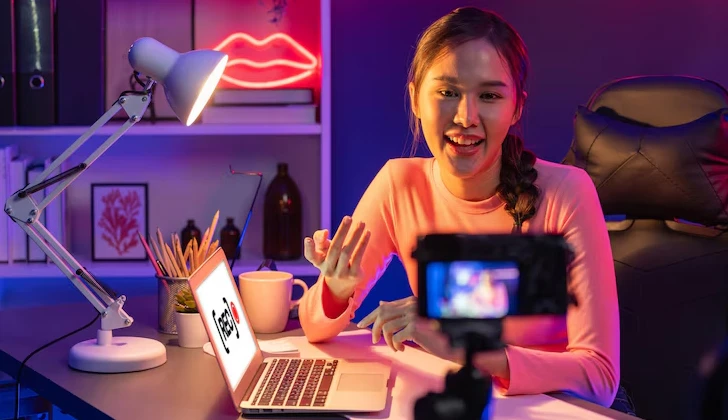
This role has evolved over the years. It has been redefining how content is produced and consumed.
Historical Context
Content creation was limited to blogging and forum discussions in the early days of the Internet.
Traditional creators focused on written content and other forms of media that required magazines or publishers to reach an audience.
The arrival of social media sites like YouTube, Facebook, and Twitter was a major shift.
These platforms made it possible for anyone to create content. They enabled users to produce and share their work with a global audience without needing a traditional gatekeeper.
This shift gave rise to the era of digital influencers. They were building communities and becoming trusted voices in their niches.
Modern Technology
New cameras and editing software make it simpler to create content.
Social media algorithms have become sophisticated. They help creators target and grow their audiences.
Live streaming and VR along with augmented reality have opened new doors for creators.
These technologies have allowed creators to push the boundaries of what’s possible.
The Creator Economy
This economy is a system where digital creators work as entertainers and business owners.
Platforms like Patreon have helped creators make money independently. Creators explore product collaborations and affiliate marketing.
The digital creator role continues to evolve. Understanding this evolution is key to appreciating the potential of digital creators.
Key Responsibilities of a Digital Creator

It’s more than posting content online! You need creativity and strategy to succeed.
Content Ideation and Production
The process of content creation begins with ideation.
Creators brainstorm unique ideas. It includes coming up with ideas for a YouTube tutorial or writing a script for an Instagram reel. Ideation is centered around creativity.
Production includes filming, editing, graphic design, or even animation. Content demands an understanding of tools like Canva, as well as basic photography or videography skills.
Finding the right mix of original ideas and good technical skills is essential for getting noticed.
Platform Management and Audience Engagement
Digital creators know that content is only half the battle. Managing platforms requires attention to detail and consistent effort. This includes scheduling posts, optimizing captions and hashtags, and analyzing performance metrics. But gaining followers from scratch can be tough.
If you want a head start, Social Tradia lets you buy established social media accounts. This way, you can skip the struggle of building from zero and focus on creating great content.
Equally important is audience engagement.
Responding to comments or interacting through live streams will bring a sense of community and help creators build stronger connections.
Active engagement helps people notice you more and makes them more loyal.
Sponsorships
Creators partner with companies to promote products or services through sponsored posts. This means creators need to work with brands that their audience likes and still keep their content real.
Successful partnerships with brands involve agreements that create campaigns that are good for both the brand and the creator’s audience.
Monetization Strategies
Digital creators have monetization strategies to earn.
Ad revenue from platforms like YouTube and exclusive content on Patreon as well as selling merchandise are popular methods.
Social media platforms now have tools that let creators sell their own products or promote other companies’ products.
Many creators diversify their income streams by offering online courses and hosting workshops.
Digital creators balance these responsibilities with an eye on trends.
Types of Content Produced by Digital Creators
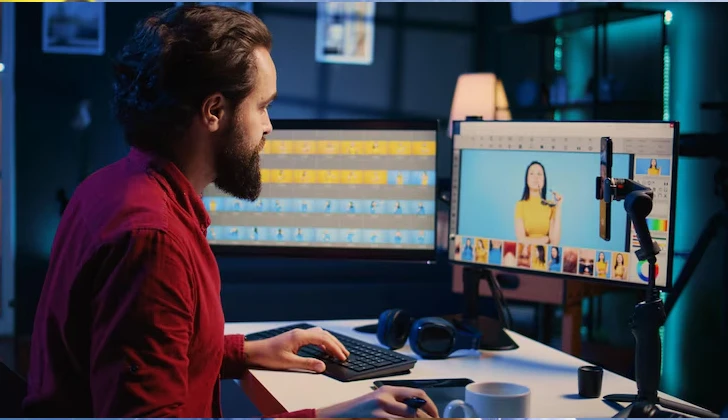
Digital creators are known for being able to do a variety of tasks. Their content spans a wide range of mediums.
Videos
This is the most popular format for digital creators.
YouTube and TikTok have revolutionized the way creators share stories.
YouTube videos are long-forms where creators post everything from how-to guides and product reviews to vlogs and documentaries. The way the platform makes money from ads encourages creators to make interesting content.
TikTok and Instagram videos are short ones that capture attention in seconds.
Blogs and Articles
These formats are still used to provide in-depth information.
Blogs allow creators to share expertise and personal experiences in a detailed manner. Blog content attracts organic traffic through search engines. They are tools for creators focused on long-term growth.
Podcasts
Podcasts offer an opportunity to connect with the audience through audio content.
Spotify and YouTube along with Apple Podcasts are often used to explore topics in depth and host interviews.
They’re effective for creators who want to establish thought leadership or engage audiences during workouts or downtime.
Digital Art and Graphics
Many digital creators focus on creating visual art. Digital drawings and animations are among them.
In platforms like Behance and Dribbble creators show their work to potential clients.
Digital art is popular among creators in fields like graphic design and gaming.
Live Streams and Webinars
We are all familiar with streaming gameplay on Twitch or hosting Q&A sessions on Instagram Live. There are also professional webinars on platforms like Zoom.
This format brings a deeper connection with audiences and creates opportunities for monetization through ticketed events.
Online Courses and E-Books
Platforms like Teachable and Udemy make it easy for creators to design and sell educational content.
E-books offer a cheap way to share tips and stories. This kind of content makes creators experts in their area and also provides a way to earn money without constantly working.
Essential Skills

Balancing technical knowledge and strategic thinking is crucial.
Storytelling
People are attracted to content they find interesting or that stirs their emotions.
Creators who are good storytellers grab their viewers’ attention and keep them interested.
Technical Proficiency
Good technical skills bring their ideas to life.
Proficiency in video editing software and graphic design platforms along with knowledge of audio editing and even basic coding are all useful depending on the content type.
A creator’s technical expertise directly influences the quality of their content.
Social Media Algorithms
It takes complex algorithms to get content in front of the right people.
Digital creators must stay informed about how these algorithms work.
They should know about engagement rates, watch time, and keyword optimization. This maximizes their reach.
Marketing
Digital creators need a strong understanding of marketing principles.
They must have a personal brand that their followers like while remaining attractive to potential sponsors.
This dual focus is key to long-term success.
Data Interpretation
Creators need to measure the effectiveness of their content.
Platforms like YouTube Studio and Google Analytics provide data on metrics such as views and traffic sources.
Successful creators know how to interpret this data to grow their audience and improve content performance.
Digital Creator vs. Influencer
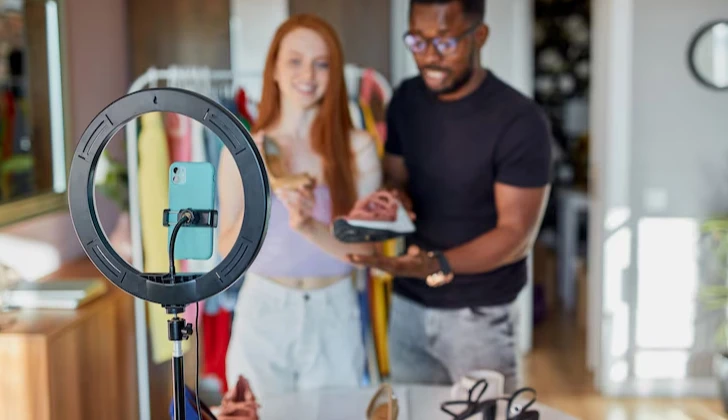
They are used interchangeably but they represent different roles.
The main difference is what they focus on.
Digital creators are motivated by the act of creating content. They prioritize producing niche content. Their goal is to share their craft or expertise. Digital creators draw audiences based on the value of their work.
Influencers center their efforts on building and using their relationship with their audience. They aim to shape opinions or purchasing decisions. Influencers usually focus on lifestyle content. They share personal experiences to engage their followers.
Monetization Avenues
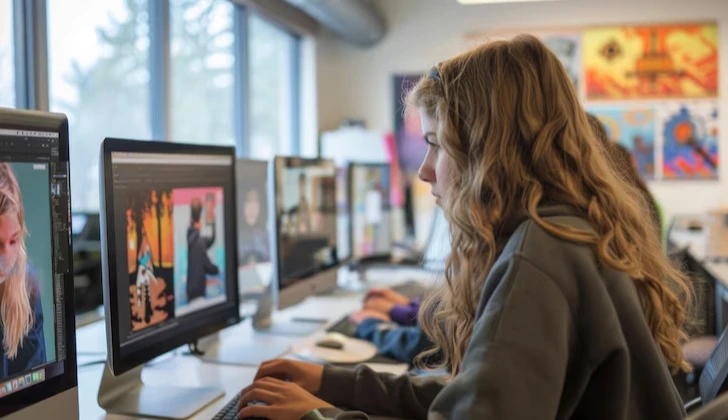
The creator economy brings opportunities for creators to earn money from their work.
Ad Revenue
Creators earn a share of the advertising revenue generated by their videos. Earnings are based on views and audience demographics.
Creators on TikTok or Instagram can earn money by promoting products.
Sponsorships and Brand Deals
These are among the most lucrative opportunities for digital creators. Brands partner with creators to promote products.
These collaborations can be a single promotional post or ongoing partnerships where the creator acts as a brand ambassador.
Affiliate Marketing
This gives creators a commission for sales or traffic to a brand’s website.
They share affiliate links or discount codes with their followers and earn a percentage of each sale.
Merchandise Sales
Many creators have their own merchandise lines. They sell accessories or custom products to their audience.
Platforms like Teespring and Shopify make it easy for creators to manage online stores.
Fan Support
Patreon enables creators to earn directly from their audience.
Fans support their favorite creators through subscriptions or donations. In exchange, they receive exclusive perks and early access.
This model is ideal for creators looking to have independence.
A Quora Rundown
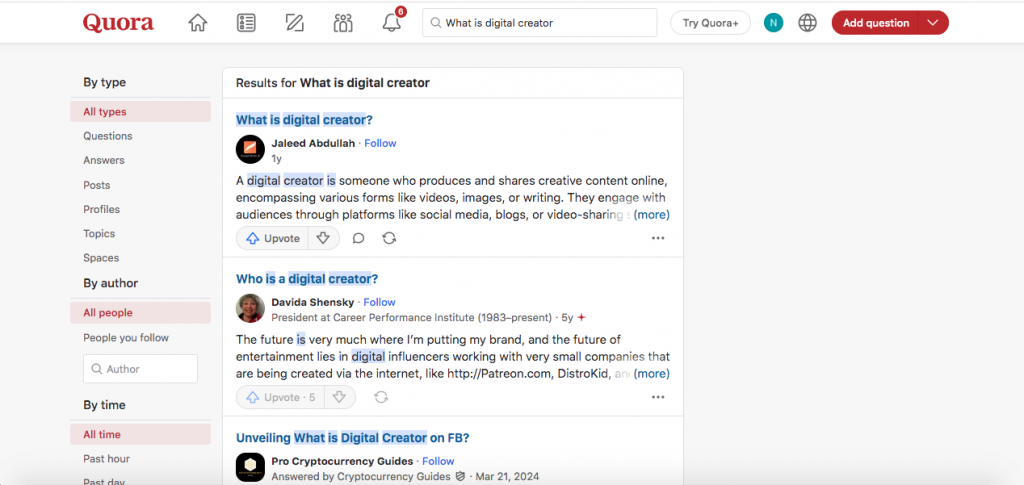
Quora users have offered a fascinating lens into the lives and philosophies of digital creators.
Adaptability in Content Creation
Digital creator Ankitaa Gohain Dalmia exemplifies adaptability in her work.
She creates “the kind that my clients need.” Ankitaa does different kinds of work for different clients. She makes webinars to get more followers for one client while writing product descriptions and creating animated graphics for another.
Passion Beyond Profit
For creators like Meenakshi Lohani, content creation is a way of life. “I create to transform lives. I create to learn. I create to live,” she shares.
Meenakshi’s approach shows the emotional and philosophical depth that motivates many creators.
She views her work as a medium to deliver happiness.
Artistry and Entrepreneurship
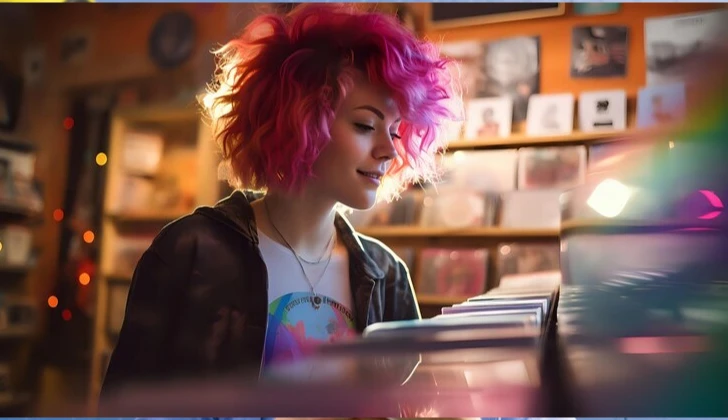
Davida Shensky offers another interesting perspective. She describes herself as a “business-minded artist” who uses tools like DistroKid to support her creative work.
“In the online space, you can really do anything and be anyone you want to be,” she writes. They find liberation in the autonomy of digital creation.
Identity and Purpose
Kirsten Dehner considers the connection between what she creates and how she’s constantly changing as a person. “Anything I create is an expression of who I am,” she writes. She shows that a creator’s work can change as they grow as a person and their ideas change.
Nick Wolfe Di Diavolo shares that his creations are often shaped by the questions he’s asked.
Creativity and Legacy
Wish Well and Ahmed Raza remind us that digital creations don’t last forever.
Wish Well humorously notes that their creative output may not endure beyond a century, but the act of creating is something humans will always do.
Ahmed focuses on helping businesses get around in the digital world, saying it’s important to keep up with changes.
Both views show that making content has two sides! It doesn’t always last, but it’s also a deep way for people to be creative and connect with others.
Conclusion
The role of a digital creator is as multifaceted as the digital world itself.
Engaging content on the latest platforms shapes how we consume information in the modern age.
Digital creators aren’t limited to one style or platform! They succeed by being creative and always improving their skills. What makes you different is what’s most important!
You should use the tools you have and keep learning. Get ideas from others, but do things your own way.

Emi Daniel
Buy an Established Instagram Account
Skip starting from zero. Browse Instagram/TikTok accounts with audiences across many niches.
See Available AccountsRelated articles
-
Best Influencer Marketing Software in 2026: Top Platforms to Grow Your Brand
Influencer marketing used to feel optional, something you tried after you’d “done” everything else. Now it’s often the first place customers hear about a brand. The problem…
18 min readEmi Daniel
-
The Ultimate Digital and Social Media Marketing Playbook: From Basic to Advanced Tactics
Are you tired of trying different methods and realizing your brand doesn’t get the attention it deserves? If so, you need to come up with the right…
23 min read -
Social Media Competitor Analysis: Tools, Benchmarks, and Strategy Guide
Are you getting fewer likes lately? You’re not alone. On Instagram, the average engagement dropped to about 0.45% in 2025, down 24% from last year. Still, the…
26 min read