


Let me tell you something! In the constantly changing world of online communication, keeping up with internet slang can be like learning a new language. Especially if you’re not among the younger generation, you will have a long way ahead!
One of the most used slang terms or abbreviations in online chats is “SMH.” Have you ever seen it on social media?
When my friend came across this three-letter acronym, he thought it was about hushing someone! However, it’s not! SMH stands for Shaking My Head! I bet you didn’t see that coming!
Buy an Established Instagram Account
Skip starting from zero. Browse Instagram/TikTok accounts with audiences across many niches.
See Available Accounts“SMH” is now a staple of online communication, but does it ned here? No! Understanding its proper use and context is way more important.
Whether you are a brand manager and want to speak with your audience genuinely or simply an ordinary individual who would prefer to know what your teenager’s messages mean, familiarizing yourself with internet abbreviations like SMH can encourage you to be more assured while chatting online.
Let’s break down this trending phrase, determine where and when to apply it, and see how it exists in the broader context of internet communication.
What Does SMH Mean on Social Media?

“SMH” stands for shaking my head. It’s one of those internet acronyms that people use when they’re reacting to something that’s disappointing, frustrating, or just plain ridiculous. You’ll see it pop up in tweets, comments, texts — basically anywhere people express reactions online.
Let’s say someone shares a story about paying $20 for a slice of pizza in New York. Someone might reply with “SMH” to show they’re baffled or low-key judging. It’s not necessarily angry — more like a digital facepalm.
Whether you’re reacting to bad decisions, wild news, or even poking fun at a friend, it’s a quick way to say, Wow… I can’t even.
How “Shaking My Head” Became a Popular Expression

SMH means shaking my head — that reaction when something’s so dumb or frustrating, all you can do is shake your head. No words. Just… Why?
It started showing up online in the early 2000s, back when people were texting more and chatting in forums. Typing everything out took too long, so little shortcuts like this just made sense.
By around 2010 or so, SMH blew up — especially on Twitter, where you had to keep it short. Even Google searches for it spiked around that time, which kinda shows how fast it caught on.
What’s cool is, SMH didn’t come from one specific app or group — it just showed up all over the place. And honestly, that’s probably why it spread so fast. Everyone knows what it means to shake your head. It doesn’t need much explaining.
When and Why People Use SMH on Social Media
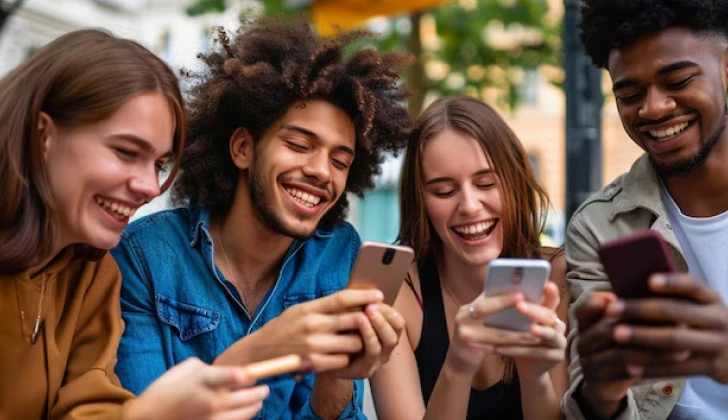
People usually drop “SMH” when something makes them roll their eyes — not in a super angry way, but more like, “Come on, really?” It’s the kind of reaction you have when you see someone doing something dumb, wild, or just plain confusing, and you don’t feel like going into a full rant.
You’ll see it used in all kinds of situations, when someone posts a bad take, makes a terrible decision, or when the news is just so ridiculous you don’t even know what to say. Instead of typing out a whole explanation, people just go with “SMH” and keep it moving.
It works because it’s a text version of a gesture we all know: that slow, disappointed head shake. It says a lot without needing to explain much. And let’s be honest, sometimes you don’t want to explain — you just want people to feel the reaction.
When Is SMH Appropriate vs. Potentially Offensive?
You’ll see “SMH” a lot online, usually when someone’s reacting to something kinda dumb or frustrating. It’s the sort of thing people drop in texts or comments when they don’t feel like going on a whole rant. Just a quick “wow” or “seriously?” kind of vibe.
That said, it’s not something you want to throw around everywhere. Like, if someone’s sharing something personal or serious, replying with SMH might come off as cold, or like you’re not listening. Same goes for work stuff. It’s one of those things that works fine in casual convos but can feel off in more sensitive or professional settings.
A lot of the time, people aren’t upset by what you said, but by when or where you said it. SMH’s fine in the right spot. Just gotta read the room.
Different Variations of SMH You Might See Online
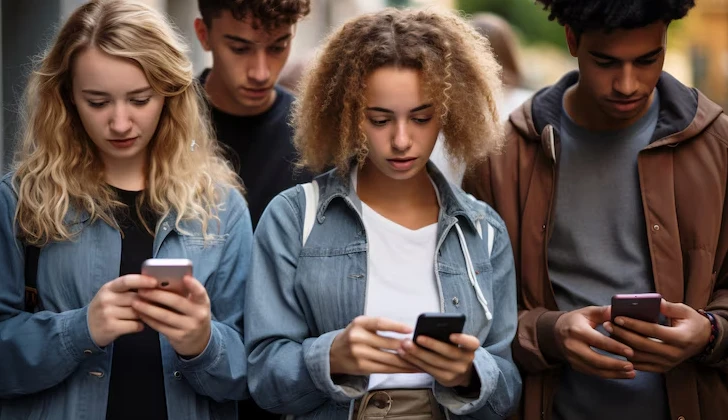
Once “SMH” started catching on, people did what the internet always does: they gave it a few twists to add extra feeling. Same vibe, just a little more flavor depending on the mood.
Here are some common ones:
- SMFH – Shaking my f**ing head. SMH, but with way more frustration or disbelief. Usually shows up when something’s just next-level dumb.
- SMDH – Shaking my damn head. Still stronger than the regular version, but not as intense as SMFH.
- SMHS – Shaking my head sadly. This one leans more into disappointment than irritation. It’s like, “Ugh… this is just sad.”
- SMH + emojis – You’ll also see people throw in facepalms, eye rolls, or sighing emojis alongside SMH to drive the feeling home.
You might also notice the way it’s typed changes the tone a bit. All lowercase — smh — usually feels chill or sarcastic, like you’re just over it. But when it’s in all caps — SMH! That’s when someone’s fed up.
Emerging Slang Terms That Could Replace SMH
While SMH continues to hold its ground, several newer expressions compete for similar communicative territory:
– “I can’t even”: Expresses similar exasperation but with greater emphasis on being speechless.
– “Dead” or “💀”: Indicates being metaphorically “killed” by disbelief or shock.
– “Bruh moment”: Signals a situation worthy of judgment or disbelief.
– “Sending thoughts and prayers”: Often used sarcastically to indicate something is hopelessly misguided.
Common Situations Where SMH Is Perfectly Used

You know that feeling when you scroll through social media and just want to shake your head quietly? That’s exactly when SMH comes in handy. It’s made for those moments.
Showing Disappointment Without Drama
Sometimes stuff online is just disappointing, but you don’t want to start a fight or a big argument. That’s when people drop “SMH.” It’s like saying, “Seriously?” without getting all worked up. You see it a lot in comments when people notice something dumb or weird but don’t want to make a big deal out of it.
For brands watching what people say, a lot of “SMH” replies can be a sign that people aren’t happy, but they’re not yelling about it either. It’s kind of like a quiet “meh” or a sigh.
Reacting to Crazy News or Viral Stuff
When you see some wild headline or a trend that makes you go “huh?” SMH is the perfect way to say, “I don’t buy this.” On Twitter or TikTok, where people see tons of strange stuff every day, SMH helps show that you’re surprised or confused without writing a whole paragraph.
If you make content and notice a bunch of “SMH” comments, it probably means you’ve gone a bit too far from “cool” to “what the heck?” It’s a little heads-up to maybe chill out if you want people to stick around.
5 Popular Acronyms That Work Similarly to SMH
If you want to add some flavor to your online chats besides just saying SMH, here are a few other common phrases people use that pretty much do the same thing:
- TBH — means To Be Honest. It’s what you say right before dropping some real talk, sometimes stuff that might be a little bold.
- ISTG — stands for I Swear To God. People use this when they’re super serious or kind of fed up with something.
- SMDH — means Shaking My Damn Head. Think of it as SMH but with a bit more “Are you kidding me?” energy.
- NGL — short for Not Gonna Lie. You say this when you want to be straight-up honest or admit something unexpected.
- FACEPALM — basically when you put your hand on your face because you’re embarrassed or just can’t believe what you’re seeing.
All these help make texting feel more like real talk, like you’re showing how you feel instead of just typing words. And here’s a cool bit: studies say about three out of four people who use social media regularly throw around at least three of these expressions.
Using SMH in Text Messages vs. Social Media Platforms
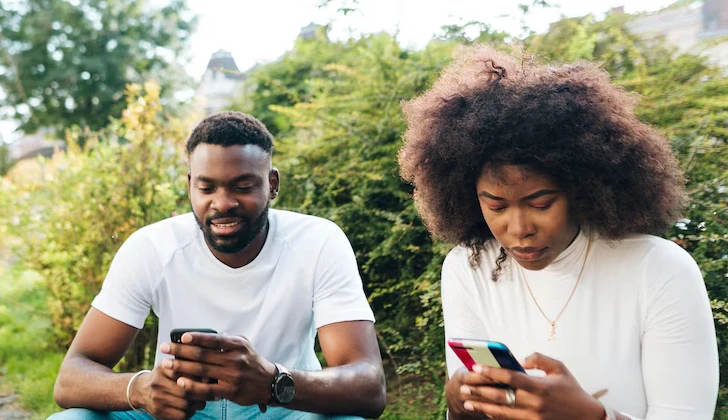
Where you use SMH can change how it comes across. In private texts, it usually feels more personal, like you’re reacting to something specific between you and a friend. But on public social media, SMH often turns into a kind of social signal, showing you’re part of a group or share certain opinions.
A study from Pew Research Center found that about 85% of teens switch up their online slang depending on whether they’re chatting privately or out in the open.
Context matters here. On more professional sites like LinkedIn, you don’t see SMH much, and if you do, it might get misunderstood. But on casual platforms like Twitter or Instagram, it’s just part of how people talk.
How SMH Compares to Similar Reaction Expressions
SMH is part of a bigger crew of quick reaction people use online:
- LOL (laughing out loud) — for when something’s funny.
- OMG (oh my god) — shows surprise or shock.
- WTF (what the f***) — says you’re confused or mad.
- FWIW (for what it’s worth) — when you’re giving an opinion but not too sure.
- IDK (I don’t know) — when you’re uncertain.
What makes SMH stand out is that it’s all about disappointment or disbelief, not laughter like LOL or shock like OMG. It fills a unique spot in how we express feelings online.
Research shows SMH is usually a reaction, not something people use to start a chat. It’s great for quickly showing how you feel without needing to dive into a long conversation.
The Evolution of SMH on Social Media

Like most internet slang, SMH didn’t just stay in its original lane—it’s changed with the way we use the internet and how we express ourselves online.
How SMH Has Changed Meaning Over the Years
Like many internet expressions, SMH has undergone semantic drift since its inception. While its core meaning remains consistent, the contexts and connotations have expanded:
2000s: Initially used literally to mean disapproval or disbelief
2010s: Broadened to include ironic usage and subtle humor
2020s: Often employed self-referentially (“me reading this… SMH”)
The expression has also developed more nuanced usage patterns. What was once a serious indication of disapproval is now safely employable in a lighthearted manner among friends or even to self-deprecation. This evolution is similar to the standard life cycle of internet slang, where words tend to move from literal to more ironic usage.
Research from digital linguists suggests that approximately 60% of current SMH usage contains some element of humor or irony not present in its original applications.
The Psychology Behind Using Expressions Like SMH
You know how, when we’re texting or online, it’s hard to tell what someone means without hearing their voice or seeing their face? That’s why stuff like “SMH” is so handy. It’s a quick way to say, “I can’t believe this” or “Really?” without writing a whole paragraph.
They also use it to blend in with friends or the people they are following on social media. It’s a little wink that says, “Hey, I know what’s happening here.” Especially younger people tend to use these shortcuts a lot because it shows they get the vibe.
Plus, sometimes you just don’t want to type a ton. Saying “SMH” gets your point across fast and keeps the conversation going. Even though we don’t have limits on message length anymore, these little acronyms have stuck around because they just work.
How SMH Shapes Communication Across Different Groups
You’ve probably seen “SMH” everywhere, but how people use it can be pretty different depending on who they are.
For example, Gen Z and Millennials are the biggest users. They throw it around a lot, usually with a bit of irony or joking. Gen X folks, on the other hand, don’t use it as much and tend to take it more literally — like, they’re really just shaking their heads. Baby Boomers are usually slower to pick it up, and when they do, they often say the full phrase instead of just the acronym.
Where you’re from matters too. English speakers in different countries might not use SMH the same way, or they might have other slang that fits better for them better. It’s also important to mention that Black communities on Twitter and other platforms were huge in getting SMH popular and shaping how people use it.
The Future of Internet Expressions Like SMH

Several factors suggest SMH has staying power in digital communication:
- Its representation of a universal physical gesture transcends specific cultural references.
- The sentiment it expresses remains consistently relevant in human interaction.
- It has already demonstrated longevity compared to more ephemeral internet slang.
- It has crossed from niche internet culture into mainstream usage.
However, like all language elements, SMH will likely continue evolving. Linguistic analysis of social media trends suggests that expressions typically undergo a 7-10 year cycle from emergence to peak usage before either stabilizing or declining.
The most enduring internet expressions tend to be those that fill specific emotional or communicative needs not easily addressed by traditional language—a category SMH belongs to.
Conclusion
SMH has secured its place in our digital vocabulary because it fills a genuine communication need—expressing disapproval or disbelief concisely.
Whether you’re a brand connecting with customers, a professional navigating workplace communication, or simply someone trying to stay current with digital language, understanding SMH and similar expressions helps bridge the emotional gap in text-based interactions.
The key is approaching internet slang with authenticity and awareness of your audience—qualities that never go out of style, no matter how language evolves.
FAQs
Why is internet slang so popular in digital communication?
Because it makes expressing emotions quicker and helps people understand each other without long messages.
How can brands keep up with new internet slang?
They can follow social media trends, watch their audience’s language, and check sites like Urban Dictionary.
What’s the most important thing when using internet slang?
Be authentic—only use slang you get, or it can come off as awkward or fake.
Is it okay to use SMH in formal work emails?
Usually no, it’s best to avoid SMH in formal emails and official messages.
Can social media managers use SMH?
Yes, if it fits the brand’s voice and tone, especially when talking with followers.

Emi Daniel
Buy an Established Instagram Account
Skip starting from zero. Browse Instagram/TikTok accounts with audiences across many niches.
See Available AccountsRelated articles
-

Meta Ad Library: How to Find and Analyze Competitor Ads
Some ads are easy to ignore until you notice the same brand appearing in your feed again and again. You may start wondering what they are saying,…
18 min readEmi Daniel
-
A Guide to Gen Z Emojis: Speak Their Language on Social Media
Emojis are more than fun add-ons for Gen Z. They can signal humor, irony, tone, and shared cultural references in a few characters. For brands and creators,…
17 min read -
Top 10 Apps Like Pinterest to Try for Free (2026 Guide)
Pinterest used to feel like flipping through someone’s real taste. Lately it feels more like scrolling past ads with a few actual pins mixed in, and a…
21 min read