

TikTok has revolutionized our online communication, creating a vocabulary that changes with each new trend. One of those internet shorthand terms, “IB,” is an essential component of TikTok slang that unites creators with their sources.
The platform’s rapid-fire nature has led to efficient communication methods. With only seconds to receive attention, creators need efficient means of assigning credits in a limited caption area.
Understanding what “IB” means is more than staying updated with internet slang! Whether a regular user or a wannabe influencer, understanding “IB properly” lets you see the platform’s unwritten rules.
Buy an Established Instagram Account
Skip starting from zero. Browse Instagram/TikTok accounts with audiences across many niches.
See Available AccountsHere, you will learn IB’s meaning, how to use it, similar acronyms, and more!
What Does IB Stand For on TikTok?
On TikTok, “IB” primarily stands for “Inspired By.” Creators use this abbreviation to acknowledge when their content draws inspiration from another TikToker’s original idea, concept, or style.
It’s a proper way to give credit while saving precious characters in captions.
While “Inspired By” is the dominant meaning, “IB” appears with alternative definitions depending on context:
- “Idea By:” When crediting someone specifically for conceptualizing the content.
- “In Between:” Sometimes used to reference transitional content.
- “I Believe:” Less common but used to introduce personal opinions.
IB differs from other attribution terms like “DC” (Dance Credit) because it’s broader in application. While DC credits choreography, IB acknowledges general inspiration, including format, style, joke structure, or concept. This makes IB more versatile across different content types.
Origins of the IB Trend on TikTok
The “IB” abbreviation gained significant traction around mid-2019 as TikTok’s user base expanded rapidly. Initially, the platform lacked formal attribution features, so creators developed shorthand systems!
The term gained momentum alongside TikTok’s dance challenge culture, where creators needed efficient ways to reference original choreographers. As content categories diversified beyond dancing, “IB” became a catch-all attribution term for inspired content.
Several influential early adopters helped standardize IB usage, including Charli D’Amelio, who credited inspiration sources. By early 2020, “IB” had become established in TikTok’s vocabulary, with platform veterans educating newcomers about proper attribution practices.
5 Common Ways Creators Use IB in TikTok Videos
Crediting dance choreography
The most visible application of “IB” happens in dance videos. Creators typically include “IB: @username” in their captions to acknowledge the original choreographer. This practice has become important as dance routines go viral, making proper attribution essential for the original creator to receive recognition.
Format adaptation
When TikTokers adopt a video format someone else pioneered, like a specific transition style, comedy structure, or storytelling approach, they’ll use IB to credit the format creator. For example: “IB: @creator who made this transition style.”
Challenge participation
During viral challenges, participants often include “IB” to credit either the challenge originator or the specific creator whose version inspired their take. This creates attribution chains that can be traced back to initial sources.
Sound reinvention
When creators use a popular TikTok sound but put their spin on the visual content, they might use “IB” to credit whoever’s interpretation inspired them, not just the sound originator.
Concept elaboration
For conceptual content like storytimes, pranks, or life hacks, “IB” acknowledges where the creator first encountered the idea, even when they’ve significantly modified or personalized it.
How to Properly Credit Others Using IB?
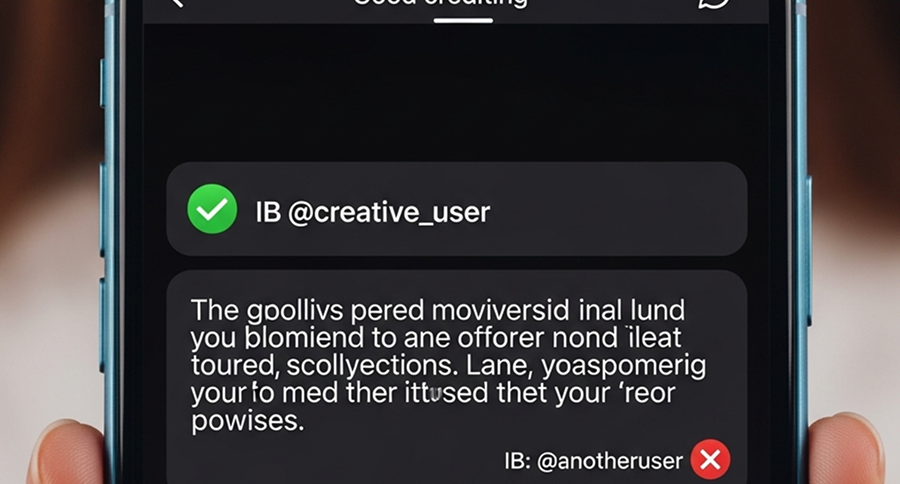
Effective “IB” usage follows several best practices that ensure proper attribution while maintaining your content’s flow:
Place “IB @username” at the beginning of your caption for maximum visibility. This front-loading approach ensures credit is immediately apparent rather than buried in hashtags.
Include the specific contribution when multiple elements deserve credit. For example: “IB @creator1 (transition) @creator2 (concept).”
When inspired by multiple creators, acknowledge all significant influences rather than only the most popular account. This shows integrity and supports smaller creators.
Common mistakes to avoid include:
Burying IB credits at the end of extended captions where they’re easily missed.
Using IB too broadly without specifying what exactly inspired you.
Claiming “IB” is unnecessary because you “changed it enough.”
Forgetting to tag the creator’s actual username so they receive a notification.
TikTok’s community guidelines increasingly emphasize original content and proper attribution. While not explicitly required, using IB aligns with the platform’s values of creativity and community respect.
IB vs. Other TikTok Credit Terminology
The TikTok attribution ecosystem includes several terms that serve different purposes:
“DC” (Dance Credit) acknowledges choreography creators. Use DC when specifically referencing dance moves, while IB works for broader concept inspiration.
“Via” typically indicates direct sharing or reposting with minimal changes, suggesting less creative input than “inspired by” implies.
“Cred” functions similarly to IB but appears less frequently and often indicates a more direct reproduction rather than inspiration.
“Inspo” sometimes replaces IB with the same general meaning but reads less formally and doesn’t save as many characters.
Choose “IB” when your content takes a general concept but executes it with your personal style. Use specific terms like DC when the inspiration is narrowly defined to one element.
The Importance of Attribution Ethics on TikTok
Proper attribution through “IB” credits isn’t just courteous—it’s increasingly viewed as an ethical obligation within the creator economy. Original ideas represent intellectual property, and while not legally protected like copyrighted material, community standards have developed around respecting creative origins.
For creators building careers on TikTok, attribution practices directly impact reputation. Those who consistently fail to credit inspirations often face community backlash that can damage growth potential and collaboration opportunities.
Beyond individual consequences, attribution builds the collaborative foundation that makes TikTok thrive. The platform’s success relies on trend participation, which requires clear pathways to trace how ideas evolve and transform across different creators.
Most importantly, proper attribution ensures that viral success benefits originators. When small creators spark trends that larger accounts adopt, IB credits ensure audience discovery flows back to innovation sources.
When Should You Use IB in Your TikTok Content?
Several scenarios clearly warrant IB attribution:
1. When recreating or adapting another creator’s original format, concept, or style
2. If participating in a challenge that TikTok itself doesn’t officially sponsor
3. When using someone’s distinctive approach to a familiar common concept
4. If your content directly responds to or builds upon another creator’s video
IB becomes optional but recommended when:
1. Your inspiration comes from multiple merged sources
2. You’ve significantly transformed the original concept
3. You’re participating in widespread trends with unclear origins
Content types that typically include IB mentions:
1. Dance videos featuring choreography you didn’t create
2. “POV” or scenario-based content following established formats
3. Transformation or transition videos using techniques pioneered by others
4. Comedy sketches adapting popular formats or premises
5. Challenge responses to creator-initiated trends
Examples of Effective IB Usage from Popular Creators
Several TikTok powerhouses demonstrate best practices for IB attribution:
Addison Rae consistently uses “IB: @creator” at the beginning of captions for dance videos, helping smaller choreographers gain visibility through her massive platform.
Zach King, known for visual effects content, specifically identifies which elements came from other creators when building upon existing concepts, using annotations like “IB @creator (transition technique).”
Khaby Lame often credits original life hack videos that he simplifies with his signature expressions, showing how even reaction content benefits from proper attribution.
Before proper attribution became standard, many viral dances spread without crediting originators. Today, the same content includes clear IB credits, demonstrating how community standards have evolved toward respecting creative origins.
How IB Relates to TikTok’s Algorithm and Reach
While TikTok’s algorithm doesn’t explicitly reward IB usage, proper attribution creates indirect benefits for content performance:
1. Content with appropriate credits often receives more positive community engagement, including supportive comments that boost algorithm signals
2. Original creators and their followers are more likely to engage with properly credited adaptations
3. Avoiding plagiarism accusations prevents negative engagement that could harm algorithmic performance
TikTok’s recommendation engine prioritizes content that generates positive community response. Viewers who recognize and appreciate proper attribution are more likely to engage constructively, creating a virtuous cycle that improves reach.
The most significant algorithm impact comes from collaborative potential. When you properly credit creators using IB, they often respond positively to your content, creating cross-promotional opportunities that expand both creators’ audiences.
Conclusion
Understanding and correctly using “IB” on TikTok represents more than just keeping up with internet slang—it demonstrates respect for the creative ecosystem that makes the platform thrive. By properly attributing inspiration sources, you position yourself as a responsible community member while protecting your content from plagiarism accusations.
As TikTok continues evolving, attribution practices will likely become even more important. The platform’s growing creator monetization features increase the stakes for proper credit, making “IB” an essential part of TikTok literacy for anyone creating content in 2023 and beyond.

Emi Daniel
Buy an Established Instagram Account
Skip starting from zero. Browse Instagram/TikTok accounts with audiences across many niches.
See Available AccountsRelated articles
-
From 1,000 to 1 Million Followers: How Much TikTok Pays at Every Level
In my research, I have seen TikTok help ordinary people earn from short videos. Some creators now work on TikTok full time. Many started with a phone…
14 min readEmi Daniel
-
TikTok Creator Rewards Program (Formerly Creator Fund): Everything You Need to Know in 2026
Gone are the days when TikTok was just an app for funny videos and quick trends. Today, it is also a serious income stream for creators. Some…
18 min read -
TikTok Creative Center: Complete 2026 Guide to Trends, Ads & Analytics
Mastering TikTok Creative Center is quickly becoming the secret advantage behind top-performing ads, viral videos, and fast-growing brands in 2026. Whether you’re a creator, marketer, or eCommerce…
22 min readLina Stewart