

With over 2 billion logged-in monthly users, YouTube offers unprecedented access to diverse communities passionate about everything from beauty tutorials to tech reviews.
However, finding the right YouTube partners for your campaign requires more than looking at subscriber counts.
Whether launching your first influencer campaign or optimizing your existing YouTube strategy, the mentioned tips here will help you find creators who align with your brand values and can deliver real results.
Buy an Established Instagram Account
Skip starting from zero. Browse Instagram/TikTok accounts with audiences across many niches.
See Available AccountsLet’s waste no more time and learn how to identify, evaluate, and partner with YouTube influencers who can truly move the needle for your brand.
Why YouTube Is Still One of the Best Platforms for Brand Partnerships?
YouTube’s longer content format allows creators to build deeper relationships with viewers through detailed explanations and storytelling. A good example would be YouTube vloggers’ friendly relationships with their subscribers.
The uploaded content remains discoverable for years, not days or weeks.
Saying so, a YouTube influencer’s video can continue driving traffic and conversions long after publication, creating lasting value for brands.
YouTube also excels at driving consideration and purchase decisions.
According to Google, 70% of YouTube viewers have purchased a product after seeing it featured by a creator they trust.
Important YouTube Influencer Marketing Stats You Need to Know in 2025

The numbers behind YouTube influencer marketing speak volumes about its effectiveness:
- 90% of people say they discover new brands or products on YouTube.
- YouTube influencer content generates 3x more engagement than traditional celebrity endorsements.
- 60% of YouTube subscribers would follow advice on what to buy from their favorite creator over their favorite TV or movie personality.
- Brand recall from YouTube influencer marketing is 2x higher than television advertising.
- 40% of millennials believe their favorite YouTube creator understands them better than their friends.
- Collaborations with YouTube creators are 4x more effective at driving brand familiarity than partnerships with traditional celebrities.
These statistics underscore why brands across industries continue investing in YouTube influencer partnerships as a cornerstone of their digital marketing strategies.
Tips to Set Clear Goals for Your YouTube Influencer Campaign

Set Clear Objectives for Your Influencer Partnerships
Define exactly what you want your campaign to achieve. Your objectives will determine the type of influencers you target and the content you create together.
Common YouTube influencer campaign objectives include:
- Brand awareness: Introducing your company to new audiences
- Product launches: Creating buzz around new offerings
- Sales conversion: Using affiliate links or promo codes to track purchases
- Content creation: Generating authentic assets for your other marketing channels
- SEO benefits: Improving your search ranking through backlinks and increased search volume
Document your objectives and share them with potential partners. The best YouTube creators will appreciate your clarity and can better tailor their approach to meet your needs.
Aligne YouTube Campaigns with Your Marketing Funnel
For top-of-funnel awareness, partner with creators for:
- Educational content about your industry
- Entertainment videos that subtly feature your brand
- “Day in the life” content where your product appears naturally
Mid-funnel consideration campaigns work best with:
- Detailed product reviews and comparisons
- Behind-the-scenes looks at your company
- Problem-solution videos featuring your products
Bottom-funnel conversion partnerships should focus on:
- Tutorials showing your product in action
- Testimonials from creators who genuinely love your product
- Exclusive discount codes or special offers
Establish Measurable KPIs for YouTube Influencer Success
Effective YouTube influencer KPIs include:
- Views: Total number of times the sponsored content was watched
- Watch time: How long viewers engaged with the content
- Engagement: Likes, comments, and shares on sponsored videos
- Channel growth: New subscribers gained after your campaign
- Conversion rate: Percentage of clicks that resulted in your desired action
- Cost per acquisition (CPA): Total campaign cost divided by conversions
- Return on investment (ROI): Revenue generated compared to campaign cost
Tips to Find Potential YouTube Influencers Effectively
Analyze YouTube channel metrics
When evaluating potential YouTube partners, look beyond vanity metrics to assess these meaningful indicators:
- Engagement rate: Calculate by dividing total engagements (likes + comments + shares) by views, then multiplying by 100. The YouTube average is 1-2%, with 3-5% considered excellent.
- Audience retention: Creators with high average view duration (ideally 60%+ of total video length) have engaged audiences who pay attention to their recommendations.
- Growth process: Steady, organic growth indicates sustainable influence, while sudden subscriber spikes may reflect purchased followers or viral content that doesn’t represent normal performance.
- Video consistency: Regular posting schedules and consistent video quality demonstrate professionalism and reliability.
- Comment quality: Read the comments section to assess audience sentiment and relationship with the creator. Thoughtful, detailed comments indicate an engaged community.
- Brand integration history: How have they incorporated previous sponsorships? Look for natural, authentic integrations rather than awkward product mentions.
- Content relevance ratio: What percentage of their content relates to your industry or product category? Higher relevance typically translates to better campaign performance.
Look for these indicators
Subscriber count is just one dimension of a creator’s influence. These additional quality factors often predict campaign success:
- Authority and expertise: Does the creator demonstrate genuine knowledge in their niche? Expertise builds credibility for your brand by association.
- Production value: While high-end equipment isn’t essential, consistent audio quality, clear visuals, and thoughtful editing reflect a creator’s professionalism.
- Audience loyalty: Return viewers who regularly engage with content are more likely to trust a creator’s recommendations than casual viewers.
- Content longevity: Videos that continue generating views months after publication offer extended campaign value.
- Community management: Creators who actively respond to comments and foster community discussions extend your brand’s reach through these interactions.
- Cross-platform presence: Influencers with strong audiences across multiple platforms can amplify your campaign beyond YouTube alone.
- Values alignment: Perhaps most importantly, does the creator’s personal brand and communication style match your brand values? This alignment creates authentic partnerships that audiences recognize and appreciate.
7 Tools for Discovering Relevant YouTube Content Creators
YouTube Search: Start with the platform itself. Use keywords related to your industry, product category, and target audience interests.
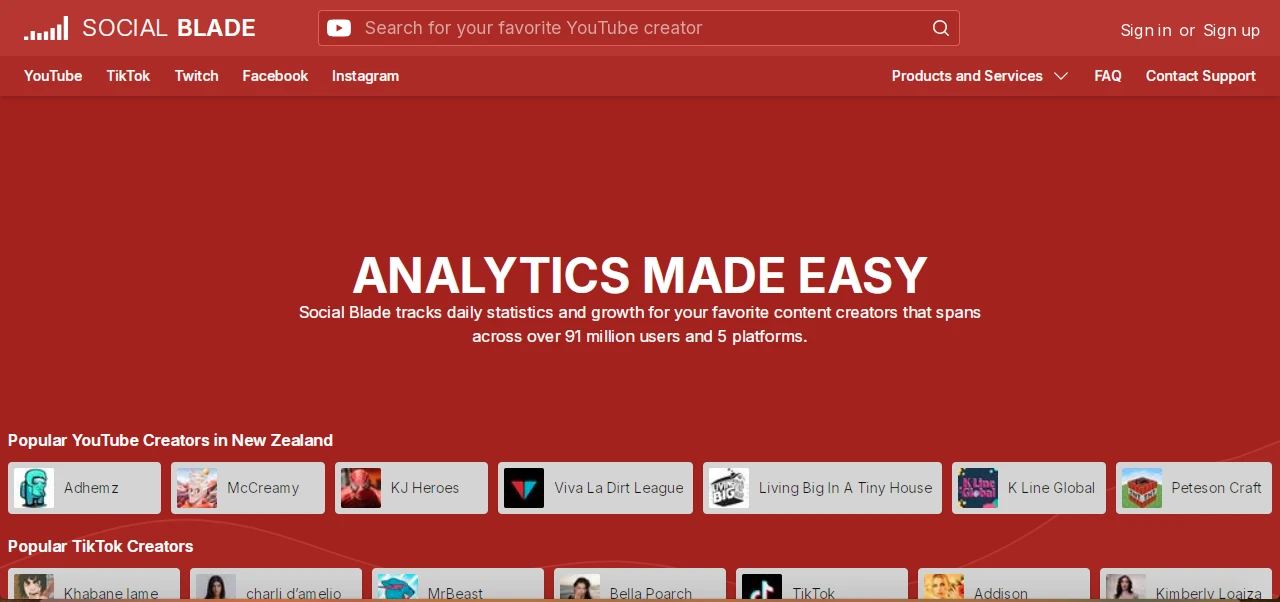
Social Blade: This free tool provides detailed channel statistics, growth trends, and estimated earnings.
Upfluence: It lets you search for YouTube creators by niche, audience demographics, engagement rates, and more.
HypeAuditor: Analyze creator audiences for authenticity and demographic composition to ensure they align with your target market.
BuzzSumo: Discover which YouTube content performs best for your keywords and identify creators producing high-performing videos in your niche.
Klear: Search for YouTube influencers by category, location, and audience demographics with detailed performance metrics.
NeoReach: It offers AI-powered creator discovery and can help identify rising talent before they become unaffordable.
Remember that the most effective influencer partnerships often come from creators who already use or mention your products organically. Set up Google Alerts and YouTube notifications for your brand name to identify these valuable potential partners.
If you’re also building your presence on other platforms, Social Tradia is a great place to find established Instagram accounts that can support your influencer strategy.
Micro vs. Macro: Choosing the Right YouTube Influencer Tier

Benefits of Working with YouTube Micro-Influencers
Higher engagement rates: Micro-influencers often achieve 60% higher engagement than larger creators as they maintain closer community connections.
- Niche audience specificity: They serve highly specific interest communities, allowing for precise targeting.
- Authenticity perception: Smaller creators are often perceived as more authentic and trustworthy than celebrity-level influencers.
- Cost efficiency: Campaigns typically cost 30-70% less than macro-influencer partnerships while delivering comparable conversion rates.
- Partnership flexibility: Micro-influencers are generally more accommodating with content formats and campaign structures.
When Macro-Influencers Deliver Better YouTube Campaign Results
Macro-influencers (500,000+ subscribers) remain valuable partners in specific campaign scenarios:
- Broad market launches: When introducing products with mass-market appeal, macro-influencers deliver unmatched reach.
- Brand repositioning: Established creators with large audiences can efficiently shift brand perception at scale.
- Competitive differentiation: In crowded markets, association with major creators can distinguish your brand from competitors.
- Content redistribution value: High-production videos from macro-influencers often make excellent assets for your owned channels.
- Retail distribution leverage: Major retailer partnerships often respond more favorably to campaigns with recognized creator involvement.
- Media attention generation: Partnerships with top-tier YouTube personalities frequently generate secondary press coverage.
The key advantage of macro-influencers remains their ability to deliver significant results through single partnerships rather than managing multiple smaller relationships.
Budgeting for Different Influencer Tiers
- Nano-influencers (1k-10k subscribers): $50-$300 per video, often accepting product-only deals. Best for local or niche campaigns but may need more hands-on management.
- Micro-influencers (10k-100k subscribers): Typically $300-$1,500 per video. They often work directly with brands and might offer package deals for multiple posts.
- Mid-tier influencers (100k-500k subscribers): Expect $1,500-$5,000 per video. These influencers usually require formal contracts and may have managers handling negotiations.
- Macro-influencers (500k+ subscribers): Compensation ranges from $5,000-$20,000+ per video.
They often work through representation and may require more lead time for approval.
Keep in mind, these are averages. Factors like niche, engagement rates, and production quality can affect the actual cost.
Quick Guide to Evaluating YouTube Influencers

When choosing a YouTube partner, look beyond follower count. Make sure their content is well-made, true to their niche, and reflects values that match your brand.
Look for clear audio, clean editing, consistent branding, and strong storytelling. A creator’s style should fit their audience and feel polished without needing Hollywood-level production.
Check their recent videos for themes that align with your brand — like sustainability, inclusivity, education, or transparency. Consistency matters more than the occasional “on-brand” post.
Also, watch out for red flags: clickbait, controversial takes, too many sponsorships, or a toxic comment section. These can hurt your brand’s image and audience trust.
A quick content audit now saves you a lot of trouble later — and sets you up for more authentic, successful partnerships.
5 Engagement Metrics That Predict Campaign Success

These engagement indicators often correlate with successful influencer campaigns:
- Comment-to-view ratio: Higher comment percentages indicate an actively engaged audience. Industry averages range from 0.5-2%, with anything above 3% considered exceptional.
- Sentiment analysis: Beyond quantity, evaluate comment quality. Positive, detailed comments from viewers who implement the creator’s recommendations suggest an influential relationship.
- Click-through rate (CTR): Creators with track records of driving action typically generate CTRs between 1-5% on their campaign links. Request these metrics from previous brand partnerships.
- Average view duration: Viewers who watch 70 %+ of videos demonstrate high interest and attention, making them more likely to absorb brand messages.
- Return viewer percentage: Channels with 40 %+ return viewers have built loyal communities that trust creator recommendations.
Ask potential partners for these specific metrics rather than general “engagement rates” to better predict your campaign performance potential.
How to Spot Authentic vs. Artificial YouTube Engagement
As influencer marketing budgets grow, so does the incentive for fraudulent metrics. Watch for these signs of authentic engagement:
Authentic engagement indicators:
- Comments referencing specific video moments
- Varied comment lengths and writing styles
- Consistent engagement ratios across videos
- Gradual, steady growth in subscribers and views
- Community interactions between commenters
Potential artificial engagement warning signs:
- Generic, vague comments (“great video!”)
- Sudden spikes in subscribers without corresponding view increases
- High subscriber counts with disproportionately low engagement
- Comment sections filled with spam or unrelated promotions
- Like-to-dislike ratios that appear unnaturally perfect
For additional verification, use tools like HypeAuditor or Social Blade to compare a channel’s metrics against industry benchmarks and identify suspicious patterns.
Negotiating Terms for Successful YouTube Campaigns

Creating Fair Compensation Structures for YouTube Creators
A fair compensation model balances creator value with measurable results. Common structures include flat-rate sponsorships, hybrid models with performance bonuses, multi-video packages, affiliate arrangements, and value-added perks like exclusive experiences or product customization.
When setting rates, factor in production costs, audience quality, exclusivity, and usage rights. Transparency about your budget often leads to creative solutions.
Clear Deliverables in Campaign Agreements
A clear agreement sets expectations and avoids confusion. Include specifics on content requirements (e.g., length, messaging, CTA), technical needs (e.g., video quality, thumbnail), approval process, performance tracking (e.g., analytics, UTM links), and promotion (e.g., cross-platform sharing, comment moderation).
Intellectual Property in Creator Contracts
Define content ownership—whether the creator retains rights or you purchase full ownership. Clarify usage permissions (platforms, duration, geography), exclusivity clauses (competitors, category), and creator likeness rights (how their image or name can be used). Also, include conditions for content removal and post-partnership handling.
For long-term value, ensure you have rights to repurpose content across various channels while respecting the creator’s brand.
How to Measure and Analyze YouTube Campaign Results
6 Essential Analytics Tools for YouTube Campaign Tracking
Comprehensive measurement requires multiple tracking approaches:
- YouTube Analytics: Access creator-shared performance data, including views, watch time, audience retention, and demographic information.
- Google UTM Parameters: Implement unique tracking codes to measure traffic and conversion from YouTube to your website.
- Bit.ly or branded link shorteners: Track click performance with time-stamped data on link engagement.
- Promo codes: Assign unique discount codes to each creator to measure direct sales attribution.
- Google Analytics: Identify YouTube referral traffic patterns and on-site behavior from campaign visitors.
- Brand lift studies: For larger campaigns, implement brand awareness and sentiment tracking to measure perception changes.
Establish measurement systems before campaign launch to capture complete performance data from day one.
Calculating ROI From Your YouTube Influencer Partnerships
To get a true ROI, consider both immediate returns and long-term value:
Direct Response Metrics:
- Cost per acquisition: Total campaign cost ÷ conversions
- Return on ad spend: Revenue ÷ campaign investment
- Conversion rate: Conversions ÷ click-throughs × 100
Brand Value Metrics:
- Cost per engagement: Campaign cost ÷ total engagements
- New audience reach: Unique viewers × percentage of new brand exposure
- Content asset value: Cost of creating similar content internally
Long-Term Impact:
- Earned media value
- SEO benefits from brand search volume
- Savings from repurposing content
- Customer lifetime value
Using Campaign Insights to Optimize Future Collaborations
Extract actionable insights from completed campaigns to continuously improve performance:
- Content format analysis: Identify which video formats (reviews, tutorials, day-in-the-life) generated the strongest engagement and conversion.
- Audience segment performance: Determine which creator audiences delivered the highest quality traffic and conversions.
- Message effectiveness: Compare responses to different value propositions or product benefit emphasis.
- Timing impact: Analyze performance patterns by posting day, time, and relation to product availability.
- Call-to-action optimization: Measure which CTA placements and phrasing delivered the highest click-through rates.
Document these insights in a campaign learning repository that guides future influencer selection and brief development. The most successful brands treat each campaign as a marketing activity and a research opportunity.
How Small Brands Achieved Big Results with YouTubers

Small businesses have leveraged YouTube partnerships to achieve remarkable growth:
Flex Fitness Equipment: This home gym startup partnered with 12 fitness micro-influencers between 25,000 and 80,000 subscribers. Rather than one-off promotions, they provided equipment for long-term use, resulting in authentic integration into workout routines. The campaign generated a 340% ROI and established the brand in a crowded market.
Mindful Meats: This sustainable protein company collaborated with cooking channel creators to create recipe videos featuring their products. By focusing on creators aligned with their ethical positioning rather than just audience size, they achieved a 5.2% conversion rate—nearly triple their paid search performance.
SleepRight Pillows: This specialty sleep product manufacturer provided free product to ASMR content creators with highly engaged communities. The campaign cost less than $5,000 but generated over $120,000 in direct sales through unique discount codes.
Avoiding Common Pitfalls in YouTube Partnership Campaigns
Learn from these frequently encountered challenges:
- Overly restrictive creative briefs: Brands that impose rigid requirements often receive technically compliant but uninspired content. Allow creators to maintain their authentic voice and style.
- Misaligned timing expectations: YouTube production quality requires appropriate lead time. Rush campaigns typically underperform due to compromised production value.
- Insufficient product experience: Creators need time to genuinely use products before creating content. An authentic experience cannot be rushed.
- Missing content amplification: Many brands fail to leverage creator content across their owned channels, missing valuable additional exposure.
- Single-video expectations: First-time collaborations rarely deliver optimal results. Build relationships through multi-content approaches for stronger performance.
- Ignoring audience feedback: Comments on sponsored content provide invaluable product feedback and message testing. Analyze this qualitative data carefully.
The most successful YouTube partnerships balance brand objectives with creator authenticity and audience value rather than prioritizing any single factor.
Conclusion
Finding the right YouTube influencers for your brand requires strategic research, relationship building, and performance tracking. It may sound challenging, but following the right path makes the process much easier.
You can develop YouTube influencer campaigns that deliver meaningful business results by defining clear campaign objectives, evaluating creators beyond subscriber counts, and structuring fair partnerships.
Remember that the most successful collaborations emerge from alignment between your brand values, creator content, and audience interests!
FAQs
MCN or Direct Contact: Which is Better?
MCNs:
Handle contracts and payments
Offer access to multiple creators
Provide campaign management
Direct Contact:
Lower costs and faster responses
Stronger, long-term relationships
MCNs work well for large campaigns, but direct contact is better for ongoing partnerships.
How Do I Reach Out to YouTubers?
Personalize your message by referencing specific content. Highlight the value you offer beyond just payment. Keep it brief, focusing on key details like your brand and campaign goals. Explain why their audience would love your product and avoid asking for rates right away.
Contact them through their preferred method, typically listed in their profile or video description.
What Can We Learn from Big Brands on YouTube?
Brands like Samsung, REI, and HelloFresh show that success comes from long-term creator partnerships, choosing expertise over follower count, and working with diverse creators. Integrating YouTube into your overall marketing strategy is not treating it as a one-off channel.
How Do I Understand YouTube Audience Demographics?
Use tools like YouTube Analytics for insights on age, gender, and location. Social Blade shows audience demographics and growth trends, while Tubular Labs maps audience interests across platforms. Heepsy verifies the audience’s authenticity, and HypeAuditor provides credibility scores. Be sure to ask creators for specific details like age, location, and watch time to ensure their audience aligns with your brand.
What are the 3 R’s of influencer marketing?
Reach, Relevance, and Resonance.
How Do You Identify the Right Influencer?
Look for creators whose values align with your brand, engage with an audience that matches your target market, and produce high-quality content. Check their engagement rates and past collaborations to ensure a good fit.

Emi Daniel
Buy an Established Instagram Account
Skip starting from zero. Browse Instagram/TikTok accounts with audiences across many niches.
See Available AccountsRelated articles
-
Best Influencer Marketing Software in 2026: Top Platforms to Grow Your Brand
Influencer marketing used to feel optional, something you tried after you’d “done” everything else. Now it’s often the first place customers hear about a brand. The problem…
18 min readEmi Daniel
-
The Ultimate Digital and Social Media Marketing Playbook: From Basic to Advanced Tactics
Are you tired of trying different methods and realizing your brand doesn’t get the attention it deserves? If so, you need to come up with the right…
23 min read -

Social Media Competitor Analysis: Tools, Benchmarks, and Strategy Guide
Are you getting fewer likes lately? You’re not alone. On Instagram, the average engagement dropped to about 0.45% in 2025, down 24% from last year. Still, the…
26 min read