
Thinking about how to use YouTube’s short-form videos to grow your channel this year?
As bite-sized content dominates online, creators are diving into the YouTube Shorts vs Instagram Reels debate to figure out which format drives better reach and engagement.
But with the ongoing YouTube Shorts vs Reels comparison, many still struggle to decide where to focus their efforts and how to build a YouTube Shorts strategy that works.
In this guide, we’ll clarify the differences, examine the pros and cons of YouTube Shorts, and share actionable tips to help you grow your channel with the right short-form approach.
What Are YouTube Shorts and How Do They Work?

YouTube Shorts are vertical videos up to three minutes long, designed for mobile viewing and quick engagement.
You can find them on the dedicated Shorts shelf on the YouTube homepage, in the Shorts tab, and across the platform.
To create Shorts, use YouTube’s in-app camera, which includes tools like speed controls and timers.
Unlike traditional YouTube videos, Shorts offer a continuous scrolling experience, similar to TikTok or Instagram Reels, allowing viewers to swipe seamlessly through content.
How Short-Form Videos Are Transforming YouTube in 2025
YouTube’s entry into the short-form video space was no accident; it was a strategic response to the surging popularity of Instagram Reels and TikTok.
In 2021, YouTube reported that Shorts reached over 15 billion daily views globally, highlighting the format’s explosive growth.
Recent data shows that 68% of daily short-form viewers are younger audiences driving this trend.
For creators, this shift presents both a challenge and an opportunity to adapt their content strategy to shorter formats without losing their brand identity.
YouTube Shorts vs Instagram Reels: Key Differences
While standard YouTube videos and Shorts exist on the same platform, they function quite differently:
- Duration: Regular videos can be hours long, while Shorts can be up to three minutes long.
- Orientation: Shorts are vertical (9:16), while traditional videos are typically horizontal (16:9).
- Discovery: Shorts have a dedicated tab and shelf, and a different recommendation algorithm focuses on virality potential rather than watch history.
- Analytics: YouTube provides specific Shorts analytics to track performance separately from traditional videos.
- Monetization: They have different monetization models compared to traditional YouTube content.
5 Powerful Features That Make YouTube Shorts Stand Out

- Remix functionality: Creators can sample audio from eligible YouTube videos and Shorts, creating response content or participating in trends.
- Multi-segment camera: Shooting a maximum of 15-second fragments of video and the ability to automatically stitch them together allows increased storytelling ability within the 60-second limit.
- Speed controls: Adjusting recording speed (0.3x to 3x) creates visual interest and creative effects that boost engagement.
- Text and timing: Adding text at specific points throughout your Shorts creates context and improves accessibility.
- Green screen effect: Filmmakers can use other videos or pictures as backgrounds, opening up infinite creative possibilities without needing professional gear.
These features enable creators to produce dynamic, engaging content that stands out in the increasingly competitive short-form landscape.
How YouTube Shorts Enhance Audience Engagement and Reach
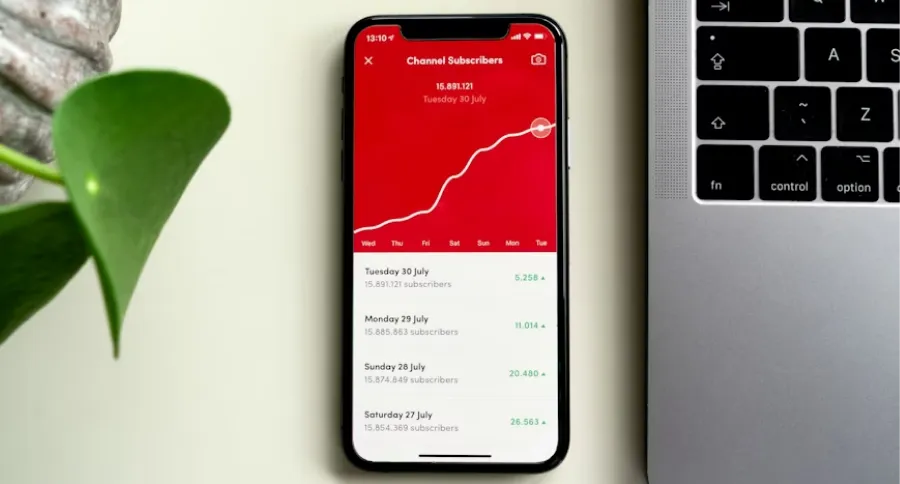
Shorts offer unique advantages for growing your channel and deepening audience connections:
The YouTube Shorts algorithm favors content that engages users immediately, subjecting your content to non-subscribers. That makes Shorts an excellent discovery platform for new audiences.
The format encourages experimentation with different content styles without the production pressure of longer videos. Many creators report that their short performances provide valuable insights into what topics resonate with their audience.
YouTube’s cross-promotion of Shorts and long-form content has a funnel effect. Viewers who discover your Shorts may visit the longer content on your channel, resulting in additional watch time and more significant engagement.
Limitations and Challenges of Creating YouTube Shorts Content
Despite their benefits, Shorts come with distinct challenges:
Limited monetization options compared to traditional YouTube videos mean creators can’t rely on Shorts alone for revenue. The YouTube Shorts Fund provides some compensation, but it’s not as predictable as ad revenue.
Creative constraints of the 60-second format make complex topics difficult to address comprehensively. This often requires creators to simplify messaging or create connected series.
Competition for attention is intense in the short-form space. With millions of Shorts uploaded daily, standing out requires consistently high-quality, original content that catches viewers in the first few seconds.
Core Functions of YouTube Shorts
The core features of YouTube Stories include:
- 15-second video segments that can be combined
- Text overlays, filters, stickers, and music options
- Links to YouTube videos or channels
- Mobile-first creation tools
- Temporary visibility (7 days)
This format complements Shorts rather than competing with them directly, serving different purposes in a creator’s content strategy.
Pros and Cons of Creating YouTube Shorts

Before diving headfirst into short-form content, it’s worth understanding what makes YouTube Shorts such a powerful yet sometimes challenging format.
Like any platform feature, Shorts come with both strengths and drawbacks that can affect your visibility, engagement, and overall channel growth.
Pros of YouTube Shorts
- Massive Reach Potential: YouTube actively promotes Shorts on its homepage, the Shorts tab, and in recommendations, giving creators a chance to reach millions, even without a huge subscriber base.
- Faster Audience Growth: With quick, engaging videos, creators can attract new viewers and convert them into subscribers faster than with long-form content.
- Easier Content Creation: Shorts require less production time, making it easier to stay consistent and test new ideas without major effort or budget.
- Boosts Overall Channel Visibility: High-performing Shorts can drive traffic to your main channel, increasing watch time and overall engagement.
- Mobile-First Engagement: Designed for vertical viewing, Shorts cater perfectly to today’s mobile-first audience that loves fast, scrollable content.
Cons of YouTube Shorts
- Lower Watch Time Impact: Shorts don’t contribute as strongly to total channel watch time, which can affect monetization and algorithm performance.
- Shorter Shelf Life: Viral Shorts may spike quickly but fade fast compared to long-form videos that keep earning views over time.
- Limited Depth: The short runtime restricts how much information or storytelling you can fit in, making it harder for educational or in-depth creators.
- Algorithm Uncertainty: YouTube’s algorithm for Shorts differs from standard videos, so growth can feel unpredictable.
- Audience Segmentation: Some subscribers may prefer your long-form videos, making it challenging to balance both content types effectively.
The key is finding the right balance between quick, scrollable videos and long-form storytelling that builds lasting viewer loyalty.
Comparing YouTube Shorts vs Instagram Reels: Which Performs Better in 2025?
YouTube Shorts and Stories each have unique strengths and weaknesses. Understanding how they differ can help you choose the right format for your content strategy and maximize reach and growth.
| Feature | YouTube Shorts | Instagram Reels |
| Video Length | Up to 180 seconds (3 minutes) | 3–180 seconds |
| Video Format | Vertical (9:16), mobile-first | Vertical (9:16) or Horizontal (16:9) |
| Reach & Discoverability | High; attracts non-subscribers; 30B+ daily views; algorithm favors virality; long-term recommendations | Trend-driven; peaks quickly during active trends; high reach when content is trending |
| Engagement Patterns | More likes, shares, and subscriptions; fewer comments | Likes, shares, comments; highly interactive with younger audiences (Gen Z, Millennials) |
| Algorithm Promotion | Widely promoted: Shorts shelf, Shorts tab, search, suggested videos | Trend-sensitive; visibility spikes with trending hashtags, music, or challenges |
| Editing Tools & Effects | Basic: captions, speed, green screen, music | Advanced: filters, stickers, AR effects, collabs, trending music, sound integration |
| Audience Type | Global and diverse; suitable for educational and evergreen content | Younger audience; lifestyle, viral trends, and entertainment-focused |
| Music & Sound Options | YouTube Music library; some licensing restrictions for monetization | Large trending library; viral sounds; easy participation in challenges |
| Content Longevity | Permanent; can gain popularity months later | Short-lived; peaks quickly during trend cycles, fades faster |
| Monetization | YPP, ad revenue share, Super Thanks, memberships, sponsorship potential | Limited; depends on brand deals or Creator Rewards (where available) |
| Best Use | Evergreen content, viral potential, audience growth, funnel to long-form content | Trend participation, viral challenges, lifestyle & entertainment content |
As the table highlights, YouTube Shorts are excellent for reaching new viewers, generating viral engagement, and building long-term channel value. The algorithm favors Shorts, even for smaller creators, and the format’s endless scrolling encourages subscriptions.
YouTube Shorts vs Instagram Reels: Which One Is Right for You?

Deciding between YouTube Shorts and Instagram Reels depends on your goals, audience, and content style.
If your priority is long-term growth, audience discovery, and monetization, YouTube Shorts are the better choice, thanks to their algorithmic promotion, permanent visibility, and integration with the YouTube Partner Program.
On the other hand, Instagram Reels excel in driving fast, trend-driven engagement with younger audiences, thanks to the platform’s algorithm for Reels that prioritizes trending content and interactive features.
For most creators, the best approach is a balanced strategy: use Shorts to grow your subscriber base and funnel viewers to long-form content, while leveraging Reels to stay relevant with trending topics and connect with a younger, highly interactive audience.
By understanding the strengths of each platform, you can make informed decisions and maximize your short-form content strategy.
Strategic Content Planning for Short-Form YouTube Videos
Creating a successful short-form YouTube strategy isn’t about posting randomly; it requires planning and clear goals.
Here’s how to structure your YouTube Shorts vs Instagram Reels content strategy effectively.
Choose the Right Format for Your Content
Not all content works the same across formats. Consider these factors:
- Content complexity:
- Detailed topics or visual demonstrations perform better in Shorts.
- Stories (or Reels-style content) are ideal for quick, casual updates.
- Production value:
- Shorts viewers expect higher production quality.
- Stories audiences accept raw, unpolished clips.
- Call-to-action goals:
- Shorts can link to longer videos, boosting watch time.
- Stories are better for promoting merchandise or external links (if eligible).
- Analyze performance:
- Review your top-performing content to see which format your audience prefers.
- Track engagement patterns to guide future content.
Creating a Balanced Content Calendar with Both Formats
A strategic content calendar incorporates both formats to maximize their complementary strengths:
Purposeful scheduling aligns each format with specific objectives:
- Use Stories before and after publishing long-form content to boost awareness.
- Schedule Shorts during high-engagement days (typically weekends) for maximum impact.
- Create content themes where Stories build anticipation for upcoming Shorts.
Cross-promotion planning creates synergy between formats. Reference your Stories in Shorts captions and vice versa to guide viewers between different content types on your channel.
Repurpose Long-Form Videos into Shorts/Reels
Maximize your existing content with smart repurposing:
- Key moment extraction:
- Turn highlights or emotionally engaging clips from long videos into standalone Shorts.
- Teaser creation:
- Share snippets that encourage viewers to watch your full video, driving traffic and monetization.
- Format adaptation:
- Re-edit for vertical orientation.
- Add text overlays for clarity.
- Increase pacing for quick attention spans.
- Create new hooks in the first few seconds.
Repurposed content performs best when designed for Shorts from the start, rather than awkwardly clipped from longer videos.
Optimizing YouTube Shorts and Reels for Maximum Impact
Creating content is just the beginning; optimization ensures your short-form videos reach their full potential.
7 Essential SEO Tactics for YouTube Short-Form Content
- Keyword-rich titles remain crucial even for short content. Include your primary keyword naturally in the first 60 characters of your title.
- Detailed descriptions expand your keyword opportunities. While viewers may not always see descriptions, they significantly impact searchability. Include relevant keywords, hashtags, and timestamps for longer Shorts.
- Strategic hashtags boost discoverability. Include #Shorts in your description to signal format to the algorithm, plus 2-3 additional relevant hashtags targeting specific topics or trends.
- Custom thumbnails for Shorts appearing in search results improve click-through rates. Though not always visible in the Shorts feed, they impact performance in other discovery surfaces.
- Closed captions improve accessibility and engagement. YouTube’s automatic captions are improving, but manually reviewing and correcting them ensures accuracy and additional keyword inclusion.
- Choosing the right category helps the algorithm classify your content and determine which comparable pieces it gets placed next to, a detail that’s often overlooked but highly influential.
- End screen utilization (for Shorts over 25 seconds) drives viewers to related content. Though limited in short formats, end screens can still improve channel navigation.
These tactics work together to increase your content’s visibility across YouTube’s various discovery mechanisms.
Creating Thumbnails and Titles That Drive Clicks
While Shorts often appear without thumbnails in the dedicated feed, they’re visible when Shorts appear in search results, suggested videos, and on your channel page.
Effective Shorts thumbnails follow different principles from traditional YouTube thumbnails:
- Mobile optimization is essential, with larger text and simpler visuals that remain clear on small screens.
- Vertical orientation (9:16) matches the Shorts format rather than using horizontal thumbnails that will appear awkwardly cropped.
- High contrast elements ensure visibility even when thumbnails appear at much smaller sizes.
- Consistent branding elements help viewers recognize your content across formats.
Compelling titles for short-form content need to:
- Frontload key information in the first 30 characters, as titles often get truncated in the Shorts interface.
- Create curiosity without relying on clickbait tactics that could disappoint viewers.
- Include specific benefits or outcomes viewers will gain from watching.
- Incorporate numbers or statistics when relevant to increase perceived value.
Remember that in the Shorts feed, viewers often see only a brief title fragment, making every character count.
Hashtag Strategies That Boost Discoverability on YouTube
Effective hashtag use can significantly impact short-form content performance:
- Format identification hashtags (#Shorts, #YouTubeShorts) signal to both the algorithm and viewers what content format to expect. These remain essential despite YouTube getting better at automatically identifying Shorts.
- Trend participation hashtags (#Challenge, #Trend, #(specific trend name)) connect your content to current conversations. Monitoring trending hashtags through YouTube’s Explore page helps identify opportunities.
- Topic-specific hashtags (#Cooking, #ProductReview, #TechTips) help categorize your content for interested audiences. Using 2-3 specific niche hashtags performs better than broader terms.
- Brand hashtags (#YourChannelName, #YourSeriesName) build recognition and help viewers find related content from your channel.
Most successful creators use 3-5 total hashtags, with diminishing returns beyond that point. Placing your most important hashtag first in your description ensures it’s visible in the Shorts feed.
For a comprehensive list of trending tags that can boost your reach, check out our Top 50 YouTube Shorts Hashtags guide, which provides the best-performing hashtags to maximize views and engagement.
Monetization Opportunities: Earning from Short-Form Content
Short-form YouTube content offers multiple ways to monetize and grow your brand. Here’s a clear breakdown for creators focusing on YouTube Shorts vs Reels.
YouTube Shorts Fund
- $100M fund rewarding creators based on performance (now phased out).
- Paid based on views and engagement, but no longer an active source of revenue.
YouTube Partner Program (YPP)
- Requirements: 1,000 subscribers + 10M Shorts views in 90 days.
- Revenue sharing:
• Pays ~30–40% less than long-form videos due to limited ad placements
• High view volume can offset lower per-view revenue.
- YPP ensures your Shorts contribute to monetization alongside long-form content.
YouTube Stories
- No direct monetization; primarily used to promote monetized videos.
- Great for linking viewers to longer content or merchandise if eligible.
Brand Growth via Short-Form Content
- Audience growth: Shorts can rapidly increase your subscriber count, helping you reach milestones like your first 10K subscribers.
- Cross-platform use: Repurpose Shorts on TikTok, Instagram Reels, or other platforms for wider reach.
- Community engagement: Higher comment activity fosters a loyal, interactive audience.
- Long-term value: Branding and audience growth often outweigh immediate monetization in early stages.
Sponsorship Opportunities
- Rising rates: Creators can charge 50–70% of full video rates for Shorts.
- Effective integrations:
• Product showcases
• Quick tutorials
• Before/after demos
• Brand challenges
- Disclosure: Always use clear #ad or “Sponsored by” overlays.
- Bundled offers: Combine Shorts and long-form content packages to boost sponsorship income.
Future Trends in YouTube Short-Form Video Content
What’s Next for YouTube Shorts and Reels?
One of the most exciting trends is shopping integration, where product tagging in Shorts could open a new revenue stream for creators in product-focused niches.
Interactive features like polls, quizzes, and stickers are also being introduced to boost audience engagement and encourage viewers to interact with content in new ways.
Additionally, YouTube is experimenting with longer Shorts up to three minutes, blurring the line between short-form and traditional videos.
Stories are evolving as well, moving toward live streaming and persistent community features, which gives creators more ways to connect with their subscribers.
How to Prepare for Upcoming Features
To stay ahead, creators should plan strategically. First, building vertical asset libraries with pre-made transitions, text styles, and effects can streamline future content creation. Second, cross-format workflows allow you to efficiently repurpose content across Shorts, Stories, and long-form videos.
Early experimentation is key: joining beta programs or testing new features before full rollout gives you a first-mover advantage.
Finally, diversifying content across multiple formats reduces reliance on any single algorithm or platform surface, ensuring consistent channel growth.
Conclusion
Understanding YouTube Shorts vs Reels is essential for creators looking to maximize audience engagement and channel growth. Short-form videos are no longer optional; they’re a core part of any short-form YouTube strategy.
To succeed, take meaningful steps: analyze your audience, experiment with both formats, and track the metrics that matter.
Focus on creating purposeful content, balancing Shorts and Stories, and adapting your approach based on performance insights.
Creators who master this balance can turn short-form content into a powerful tool for expanding reach, strengthening community interaction, and driving long-term channel success.
FAQs
Which is more profitable, Reels or Shorts?
Shorts can be more profitable long-term due to YouTube’s algorithm and Shorts Fund, helping creators grow audiences faster. Reels can earn via brand deals and bonuses, but usually depend on having an established follower base.
Can YouTube Shorts help grow my channel faster than regular videos?
Yes! Shorts are promoted heavily across YouTube, making it easier to reach new viewers and gain subscribers quickly, even if you’re a smaller creator.
Is it easier to get views on YouTube Shorts or videos?
Shorts are easier to get views on because YouTube heavily promotes them, even for new creators. Regular videos take longer to gain traction but can generate higher watch time and long-term engagement.
How long should a YouTube Short be for optimal performance?
Keep Shorts under 60 seconds for maximum impact, as short, engaging clips perform better in YouTube’s algorithm and encourage viewers to watch multiple videos.
Should I post Shorts, Reels, or both for maximum engagement?
Using both strategically works best: Shorts attract new viewers and boost reach, while Reels (or Stories) engage your existing audience and drive deeper interactions.
