

What’s more convincing: a flashy ad or a friend raving about a product they love? Most people would pick the friend, and for good reason.
That’s exactly why brand ambassador programs are so powerful. They turn real people into brand advocates, helping companies build trust, boost visibility, and create authentic content.
Let me tell you something: Traditional ads are no longer the main driver of purchase decisions; real voices and peer-to-peer recommendations are. And ambassador programs help you scale that natural word-of-mouth effect.
Buy an Established Instagram Account
Skip starting from zero. Browse Instagram/TikTok accounts with audiences across many niches.
See Available AccountsBut to build a program that truly works, you need a smart strategy: the right people, the right support, and clear ways to measure success. This article will show you how to do just that.
Who Is a Brand Ambassador?
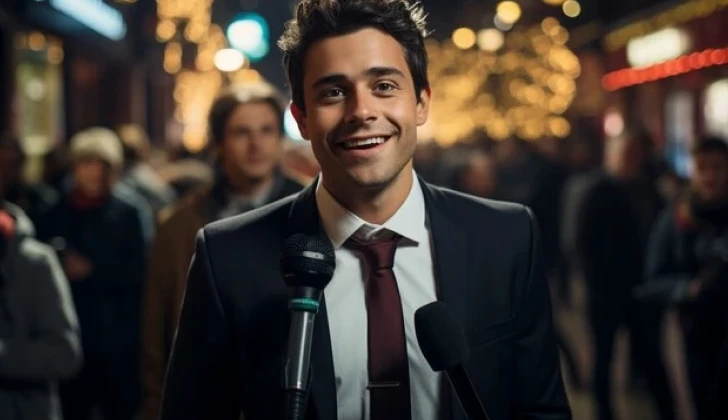
A brand ambassador is someone who actively promotes a brand because they care. They may be a loyal user, a social media influencer, an employee, or even a fan who just happens to agree with what the brand says.
What sets them apart is sincerity. They are speaking for the brand in their voices, whether through Twitter tweets, conversation, or personal stories. It is not rehearsed, it is genuine.
Human beings trust others’ recommendations more than they trust advertising, and that is exactly where ambassadors shine. They help to introduce your brand to new individuals in a space where it comes across as normal and familiar.
At their core, a brand ambassador is a person who represents your brand because they want to, not because they have to. And that is what makes them so powerful.
What Are the Roles of a Brand Ambassador?
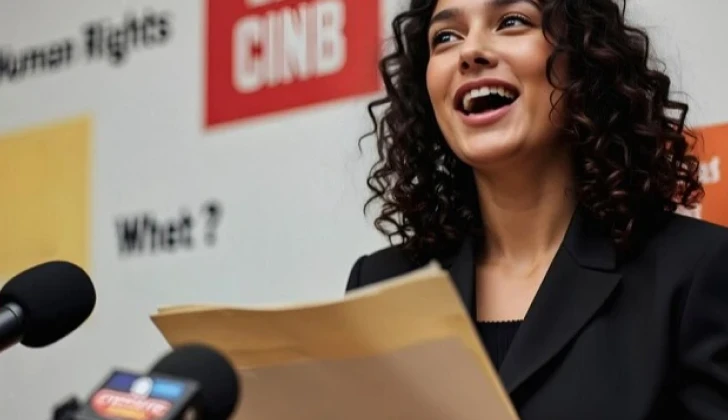
A brand ambassador is a key component in making it possible for people to connect with a brand on a more personal basis. They’re not just selling something—they’re building trust through experience-based, relatable moments.
Their job typically hinges on the type of partnership, but often entails:
- Creating content – posting as photos or videos featuring the brand
- Word-of-mouth spreading – talking about the brand with followers, family, or friends
- Providing feedback – providing opinions that improve products or messaging
- Attending events – representing the brand at launches, pop-ups, or trade shows
- Driving engagement – getting others to try the brand or take action
The main thing? It needs to sound genuine. People can tell a read, and that form of promotion does not resonate as well. But when a brand ambassador gets to speak about their true experience, it sounds authentic and honest.
In the end, their role is to be an authentic, trusted voice for the brand—someone that people would want to hear.
Different Types of Brand Ambassador Programs

Not all ambassador programs are created equal, choosing the right type depends on your goals, audience, and brand personality.
Customer Ambassador Programs
Customer ambassador programs turn your best customers into brand advocates. These people already love your products. They have real experience using what you sell.
The biggest advantage is authenticity. Customer ambassadors share genuine testimonials. Their networks trust them because they paid for your products with their own money.
Employee Ambassador Programs
Employee ambassador programs use your team members as brand representatives. Your employees understand your company culture and values. They can speak authentically about working for your brand.
These programs work especially well for B2B companies. Your employees can share industry insights on LinkedIn. They become thought leaders in their professional networks.
IBM’s employee advocacy program generates impressive results. Their employees share content about technology trends and company innovations. This approach builds trust with potential business customers.
Influencer Ambassador Programs
Influencer ambassador programs focus on long-term partnerships rather than one-off campaigns. You work with content creators who have engaged audiences in your target market.
Micro-influencers often provide better results than macro-influencers. They have smaller but more engaged followings.
You must find influencers whose values match your brand. They should genuinely like your products before you start working together.
Partner and Affiliate Ambassador Programs
Partner and affiliate programs leverage business relationships for brand exposure. You work with other companies that serve similar customers. This creates cross-promotional opportunities.
Revenue-sharing models work well here. Partners earn commissions for driving sales. This motivates them to actively promote your brand to their customers.
These programs help you reach new audiences without direct advertising costs. Your partners do the marketing work in exchange for a share of the profits.
Student Ambassador Programs
Student ambassador programs target college campuses and young adults. You recruit students to promote your brand to their peers. This helps you reach the next generation of consumers.
Red Bull’s student brand manager program is famous for its success. They give students branded merchandise and event budgets. The students organize activities that promote Red Bull on campus.
How to Choose the Best Brand Ambassador Program
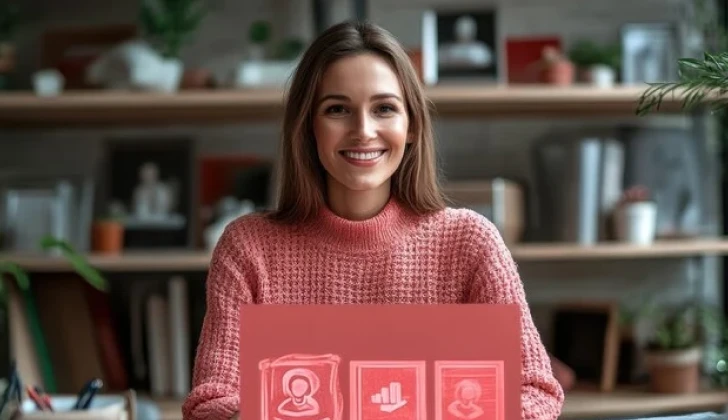
Not every brand ambassador program will be suitable for your business. Some are too rigid, some too vague. The secret is understanding what you’re looking for and what your brand needs.
Start with a few basic questions:
- What is your main goal? Are you trying to raise awareness, drive sales, or just build brand loyalty?
- Who are you trying to reach? Your ambassadors must address the same audience that you have an interest in.
- How much work do you wish to put in? Some programs take a great deal of management, others are more self-sufficient.
- Is what’s working measurable? If there isn’t a way to measure results, it is hard to know whether or not it is worth it.
Also, don’t just target big numbers. A smaller ambassador who connects deeply with people is stronger than someone with a huge following but doesn’t engage much.
Finally, the best program is one that works for your brand, not on paper, but in practice.
Top Brand Ambassador Program Strategies
Running a brand ambassador program is simple: discover people who love your brand and get them to spread the word. But if you want it to work, you need a good strategy. Without one, you’re in trouble soon.
Here are some proven-and-true tactics that make ambassador programs succeed:
Start with the right people
Don’t target followers count. Choose those who already enjoy and utilize your product. Their excitement is real, and that’s what encourages others to pay attention.
A small but active audience will fare better than a large, unengaged one.
Expectations should be clearly set
Be explicit about what you’re asking for. Monthly updates? Photos of your product? Word-of-mouth? When ambassadors know what you’re asking for, they’ll have a better chance of delivering what you expect.
Clear instructions minimize confusion and simplify your program for them.
Give them the tools to succeed
Give them brand guidelines, talking points, media kits, anything that will make it easier for them to produce content that is on message for your brand without making them feel scripted.
The more you make it easy for them, the better the content they’ll create.
Make it worth their time
That’s not always money. Early access, free products, VIP perks, or public recognition are all huge bonuses.
Ambassadors want to feel appreciated. When they do, they’ll work harder for your victory.
Stay in touch
Best programs aren’t “set and forget.” Keep ambassadors informed. Check in, report wins, and make them feel part of something, not a single one-off promo.
Regular contact creates loyalty and keeps energy up.
Track what matters
Shares and likes are nice, but focus on the needle-movers: referrals, conversion, traffic, or actual engagement. Double down on something if it pays off. If it doesn’t, change and tweak.
Metrics allow you to scale what’s working and eliminate what’s not.
At the end of it all, a great brand ambassador campaign isn’t about pompous campaigns. It’s about building real relationships that will last. The more value you offer to your ambassadors, the more they’ll add to your brand.
Successful Brand Ambassador Program Examples and Case Studies
From global giants to niche startups, these real-world examples show how diverse and powerful ambassador programs can be when done right.
Fashion and Beauty Industry Examples
Lululemon created one of the most successful ambassador programs in retail. They partner with local fitness instructors and yoga teachers. These ambassadors wear Lululemon products while teaching classes.
The program works because the ambassadors are already fitness leaders in their communities. Their students see the products in action during workouts. This creates natural product demonstrations.
Sephora’s Beauty Insider Community is a more significant loyalty program than just rewards. Customers can become brand ambassadors by uploading makeup tutorials and product reviews. The community interaction is appreciated by the customer and makes them feel heard.
Daniel Wellington based their whole marketing strategy on ambassador influencers. Complimentary watches are given to micro-influencers in exchange for social media posts. This approach made them a global brand without conventional advertising.
Technology and Software Programs
Apple’s Creative Professional network includes photographers, videographers, and designers who showcase Apple products in their work. These professionals create content that demonstrates product capabilities to other creatives.
Microsoft’s MVP program recognizes technical experts who help other users. These ambassadors share knowledge about Microsoft products in online communities. They become trusted sources for technical advice.
Adobe’s Creative Residency program supports artists and designers while they create content using Adobe software. The residents share their creative process, which inspires other artists to use Adobe tools.
Food and Beverage Success Stories
Starbucks evolved from a simple rewards program to a full ambassador network. Their most loyal customers share photos of their drinks and experiences. The company features this content on its official channels.
Red Bull’s athlete partnerships go far beyond sponsorship deals. Their ambassadors are extreme sports athletes who embody the brand’s adventurous spirit. These partnerships create authentic content that resonates with their target audience.
Dunkin’ built a community of coffee lovers who share their daily Dunkin’ experiences. The program focuses on everyday moments rather than special events. This creates a sense of routine and habit around the brand.
Lifestyle and Consumer Goods
Airbnb’s host ambassador program enables homeowners to become better hosts and helps to promote the site. Mature hosts mentor new ones and share best practices. This raises the overall quality of Airbnb experiences.
Nike partners with athletes of all levels, from professional sportsmen to weekend warriors. Nike ambassadors provide training tips and workout inspiration and do so while wearing Nike attire. This creates aspirational content that inspires potential customers.
Patagonia’s green activist network is in line with their corporate values. Their ambassadors are people who enjoy being outdoors and are concerned with environmental conservation. They post conservation material while promoting Patagonia equipment.
Emerging Brand Programs
Small businesses can create effective ambassador programs with limited budgets. They focus on local influencers and loyal customers. Personal relationships make up for smaller numbers.
Startup companies often use ambassador programs to build initial brand awareness. They offer equity or exclusive access in exchange for promotion. Early ambassadors become invested in the company’s success.
Niche market brands benefit from highly targeted ambassador programs. They work with experts in their specific industry. These ambassadors have smaller but very engaged audiences.
B2B Ambassador Program Examples
HubSpot’s partner and customer advocacy program helps business customers become marketing experts. Partners share knowledge about inbound marketing while promoting HubSpot tools. This creates valuable content for potential customers.
Salesforce’s Trailblazer Community recognizes users who become experts in their platform. These ambassadors help other businesses implement Salesforce solutions. They become trusted advisors in the business community.
LinkedIn’s professional network ambassadors are industry leaders who share insights about business trends. They use LinkedIn’s publishing platform to demonstrate thought leadership while promoting the platform’s capabilities.
How to Create a Compelling Ambassador Program Structure

A well-structured ambassador program isn’t just easier to manage; it keeps ambassadors motivated, engaged, and aligned with your brand’s long-term goals.
Program Tiers and Progression Systems
Multi-tier programs give ambassadors goals to work toward. Start with entry-level requirements and create elite tiers for top performers. This gamification element keeps people engaged long-term.
Achievement badges and recognition systems make ambassadors feel valued. Create awards for different types of contributions, like content creation, engagement, or sales generation.
Performance-based advancement opportunities reward your best ambassadors with increased benefits. This creates motivation for continuous improvement and engagement.
Compensation and Incentive Models
Research shows that 37% of ambassadors prefer exclusive experiences over monetary compensation. This means you don’t always need large cash budgets to attract good ambassadors.
Product gifting works especially well for physical products. Ambassadors can create unboxing content and demonstrate products naturally. This provides authentic product reviews.
Creative Reward and Recognition Ideas
Behind-the-scenes access makes ambassadors feel like insiders. Invite them to product launches, photo shoots, or company events. This creates exclusive content opportunities.
Co-creation opportunities let ambassadors help develop new products or campaigns. This investment in the brand’s future creates stronger emotional connections.
Public recognition through your official channels makes ambassadors feel valued. Feature their content on your social media accounts and website. This also provides them with increased exposure.
Legal Framework and Contracts
FTC disclosure rules mandate clear sponsored content marking. Ambassadors will be required to add hashtags like #ad or #sponsored while promoting your brand. Include these stipulations in your contracts.
Intellectual property rights need to be worded. Specify how you may use content developed by ambassadors. Clarify ownership and usage rights to both parties.
Performance requirements should be clearly stated in contracts. Specify post frequency, content quality standards, and demeanor expectations. This prevents ambiguity in the future.
Measuring Success: KPIs and Analytics

You can’t improve what you don’t measure. To get the most out of your brand ambassador program, you must measure performance and impact, without overburdening yourself.
Here’s a simplified look at what to track.
Reach and Engagement
Track how many people see and interact with ambassador content.
- Employ metrics like impressions, reach, likes, comments, shares, and saves.
- These measures enable you to see visibility and audience interest.
Website Traffic and Conversions
Measure how well ambassador content drives actions.
- Use UTM links and affiliate codes to track visits and conversions.
- Monitor click-through rates (CTR) and sales driven by referrals.
ROI and Cost Efficiency
Compare performance to other marketing channels.
- Track cost per acquisition (CPA) and customer lifetime value (CLV).
- Research indicates ambassador programs can produce up to 11x ROI over typical ads.
Brand Sentiment and Customer Feedback
Look beyond numbers to understand brand perception.
- Use social listening tools to monitor tone and sentiment.
- Collect testimonials and watch for changes in Net Promoter Score (NPS).
Reporting and Program Optimization
Educate and sync your team and ambassadors.
- Use individual scorecards to assess ambassador performance.
- Deliver monthly dashboards and executive summaries with brief insight and next steps.
Common Pitfalls and How to Avoid Them

- Choosing the wrong ambassadors: Don’t focus solely on follower count; look for genuine engagement, brand alignment, and diverse representation.
- Weak communication: Inconsistent updates, vague guidelines, and slow rewards can frustrate ambassadors. Offer regular check-ins, clear instructions, and timely compensation.
- Legal oversights: Failing to follow FTC disclosure rules or international laws can harm your brand. Train ambassadors on compliance and protect user data.
- Lack of strategy: Undefined goals, poor budgeting, and disconnected marketing efforts can derail your program. Set clear objectives, plan resources, and align ambassador efforts with your overall strategy.
Future Trends and Emerging Opportunities

As marketing evolves, brand ambassador programs are also shifting, driven by new technologies, changing consumer expectations, and fresh platforms that open up exciting new ways to connect.
Technology Integration Trends
AI-powered ambassador matching will help brands find ideal ambassadors more efficiently. Machine learning can analyze audience overlap and engagement patterns.
Virtual and augmented reality experiences will create new opportunities for ambassador content. These technologies will allow more immersive product demonstrations.
Blockchain-based reward systems could provide more transparent and secure compensation methods. This technology may also help verify authentic engagement.
Evolving Consumer Preferences
Increased demand for authenticity will continue to favor genuine ambassador relationships over transactional partnerships. Consumers are becoming better at identifying fake endorsements.
Micro and nano-influencer preference growth will benefit smaller ambassadors with highly engaged audiences. Authentic connections matter more than large reach.
Video-first content consumption will require ambassadors to develop strong video creation skills. Platforms are prioritizing video content in their algorithms.
Platform and Channel Evolution
There will be new opportunities for ambassador programs that come from new social media sites. Watch for sites your target markets are leveraging.
Real-time interaction and live streaming will increase in importance to ambassador work. These styles allow for immediate, unfiltered connections with people.
Community sites will provide ambassadors with new ways to engage with audiences. These spaces allow for deeper relationship-building than do social media platforms.
Conclusion
A successful brand ambassador program isn’t just about strategy; it’s about people. The brands that see the biggest impact are the ones that focus on real relationships, not just reach or quick wins.
Start by knowing what you want to achieve, and find ambassadors who truly connect with your brand. Give them the tools, guidance, and support they need to do their best work, and keep the lines of communication open. It’s not a one-and-done effort.
At the heart of it, authenticity is everything. When ambassadors love your brand, their excitement is contagious, and that’s what moves people.
Things will change, platforms evolve, trends shift, and audience behavior never stays still. But if you stay flexible and focused on building real connections, your program will keep growing right alongside your brand.
Invest in your ambassadors, and they’ll invest right back in you.
FAQs
How much should I budget for a brand ambassador program?
Typically 10-25% of marketing budget; start with $5K-$15K/month for small to medium businesses.
How many brand ambassadors should I recruit for my program?
Start with 10-50 ambassadors, focusing on quality and engagement.
What’s the difference between brand ambassadors and influencers?
Ambassadors have long-term, authentic brand ties; influencers usually have short-term, content-focused ties.
Should I work with paid or unpaid brand ambassadors?
Use a hybrid, non-monetary perk for all, pay top performers or campaigns.
How do I handle FTC compliance and disclosure requirements?
Enforce clear disclosures (#ad), provide guidelines, monitor posts, and consult legal.
How long should brand ambassador partnerships last?
Prefer 6-12 months or ongoing for authenticity; allow reviews and flexibility.

Emi Daniel
Buy an Established Instagram Account
Skip starting from zero. Browse Instagram/TikTok accounts with audiences across many niches.
See Available AccountsRelated articles
-
Best Influencer Marketing Software in 2026: Top Platforms to Grow Your Brand
Influencer marketing used to feel optional, something you tried after you’d “done” everything else. Now it’s often the first place customers hear about a brand. The problem…
18 min readEmi Daniel
-
The Ultimate Digital and Social Media Marketing Playbook: From Basic to Advanced Tactics
Are you tired of trying different methods and realizing your brand doesn’t get the attention it deserves? If so, you need to come up with the right…
23 min read -
Social Media Competitor Analysis: Tools, Benchmarks, and Strategy Guide
Are you getting fewer likes lately? You’re not alone. On Instagram, the average engagement dropped to about 0.45% in 2025, down 24% from last year. Still, the…
26 min read